Why Vietnamese Businesses Remain Wary of the National Science and Technology Fund
The head of Vietnam’s national science and technology fund says research institutes and universities remain the main recipients of state science and technology resources. Despite a new law allowing greater tolerance for research risks, businesses remain wary because of past rules on intellectual property and financial procedures. The fund signed contracts for about 300 research projects in 2025.

Đào Ngọc Chiến, head of the executive agency of Vietnam’s National Foundation for Science and Technology Development (NAFOSTED), said research institutes and universities remain the main users of state resources for science, technology and innovation, while business participation has fallen short of expectations. He said businesses have long been wary of state funding: under the previous system, research results and intellectual property produced with state funding belonged to the state. Administrative procedures, expense settlement and financial regulations have also made businesses concerned about the cost of applying.
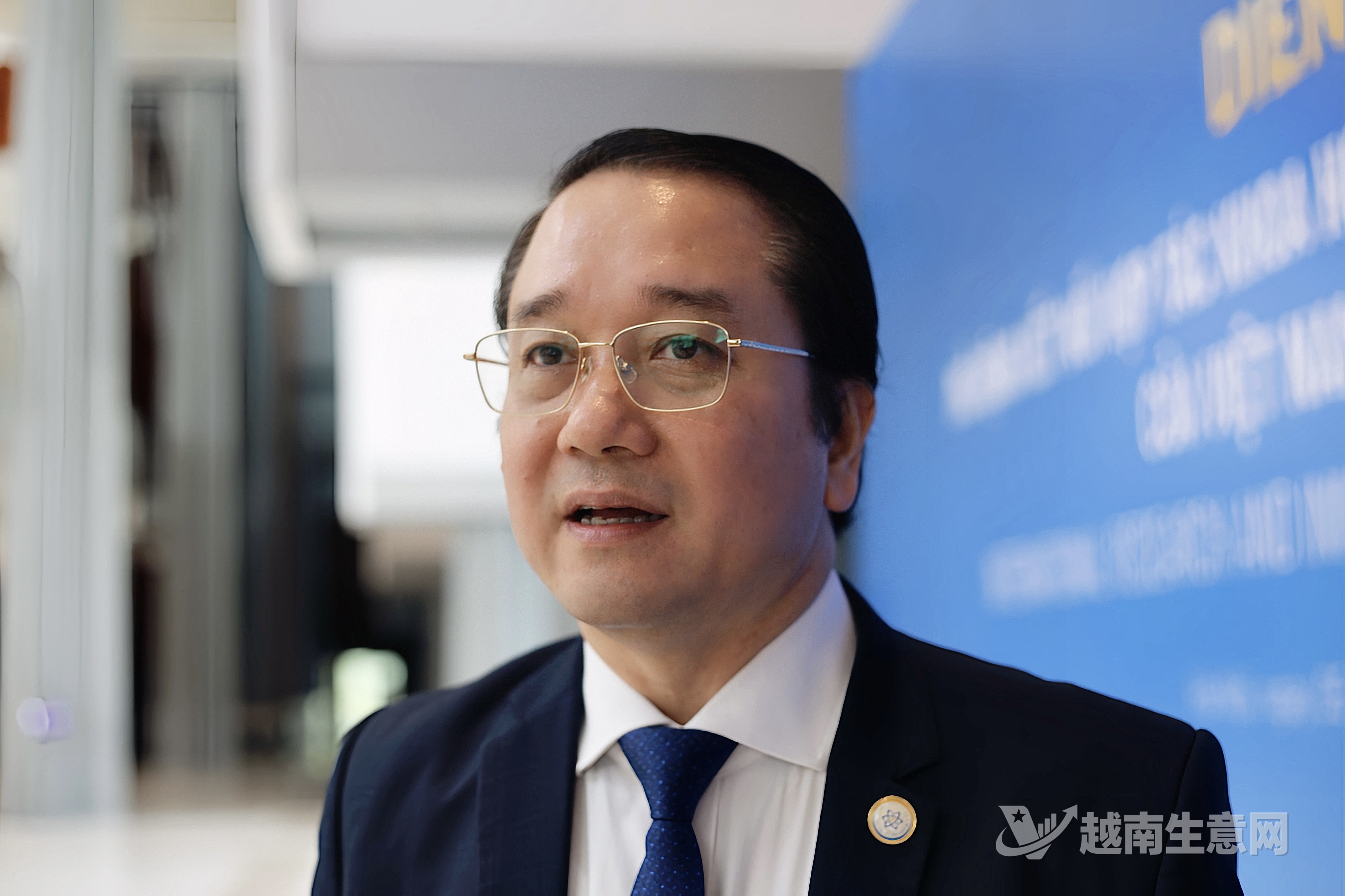
Đào Ngọc Chiến, head of NAFOSTED’s executive agency.(VietVance)
Vietnam’s 2025 Law on Science, Technology and Innovation took effect on October 1, 2025, and includes a mechanism for accepting risks in research. Đào Ngọc Chiến said implementing documents have only recently been largely completed and are still under review and adjustment. Policy outreach and application guidance have also been limited, leaving some businesses without a full understanding of the new rules. Businesses that understand the policies have participated actively, but they still need help from research institutes and universities to define the innovative aspects, research methods and other elements of proposed projects.
NAFOSTED previously funded about 100 to 150 research projects a year, but signed contracts for about 300 in 2025. Projects proposed independently by researchers and others typically receive up to about VND 4.5 billion to VND 5 billion. Commissioned research projects addressing practical needs identified by the state have no fixed funding ceiling: they may receive VND 20 billion to VND 30 billion, or hundreds of billions of dong for large projects. The fund previously allocated more than VND 100 billion to an integrated circuit project.
Đào Ngọc Chiến said computer science currently receives the most proposals by discipline, while artificial intelligence draws the most interest by area of application. The fund plans to continue focusing on artificial intelligence and to make applications related to the low-altitude economy a priority for applied research. Basic research will focus on fields where Vietnam has strengths and development potential, including physics and biology.
Source: VietVance