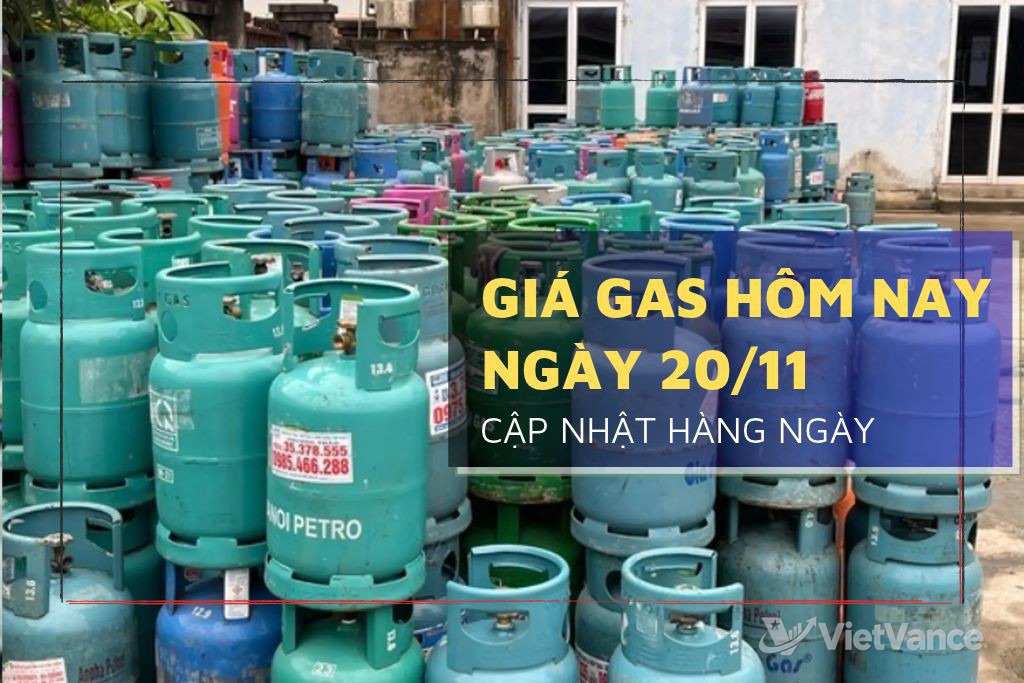
Vietnam Fuel Prices Fall Five Times, but Affordable Meal Prices Remain High
Fuel prices in Vietnam fell five consecutive times in November, but prices for affordable meals remain high. Consumers question why the reductions have not reached the dining table. Restaurant operators cite rising ingredient costs, while food and transport businesses differ on whether freight rates can fall.

Fuel prices in Vietnam fell five consecutive times in November, yet prices for affordable meals such as rice dishes and pho have shown no sign of declining. Consumers interviewed said some eateries had previously raised prices citing higher fuel costs but kept them unchanged after fuel prices fell.

After consecutive fuel price cuts, some eateries have yet to lower prices for rice dishes and noodles.(VietVance)
One consumer said a rice eatery he regularly visits raised prices twice this year, by a total of 7,000 Vietnamese dong, bringing the price to 40,000 dong per serving. Observations found that noodle eateries with premises charge at least about 45,000 dong per bowl, with prices commonly ranging from 55,000 to 70,000 dong; street stalls charge about 30,000 to 50,000 dong. Prices at many eateries have risen by 5,000 to 8,000 dong from last year.
A drink shop owner in Ho Chi Minh City said prices also depend on ingredients and other costs. The price of the coffee she buys has continued to rise, and suppliers have not lowered their quotes as fuel prices have fallen. The head of a food processing business said freight rates from Lam Dong and Dak Lak to Ho Chi Minh City are currently about 2,000 dong per kilogram, unchanged from last month.

A drink shop owner said rising ingredient and other costs make it difficult for operators to lower prices.(VietVance)
On November 20, 2026, Nguyễn Xuân Đào, the head of a food company in Ho Chi Minh City, said some carriers were keeping freight rates high despite lower fuel prices. His company will ask transport partners to explain their cost structure as a basis for adjusting rates.
An interviewee from a transport company said freight contracts are usually signed for a year. When diesel prices rose previously, freight rates could be adjusted only once or twice a year, by about 5% to 10%. Diesel prices remain above their level when the contracts were signed, while expenses such as driver wages, warehousing and insurance have not fallen with fuel prices, making immediate, substantial freight rate cuts difficult.
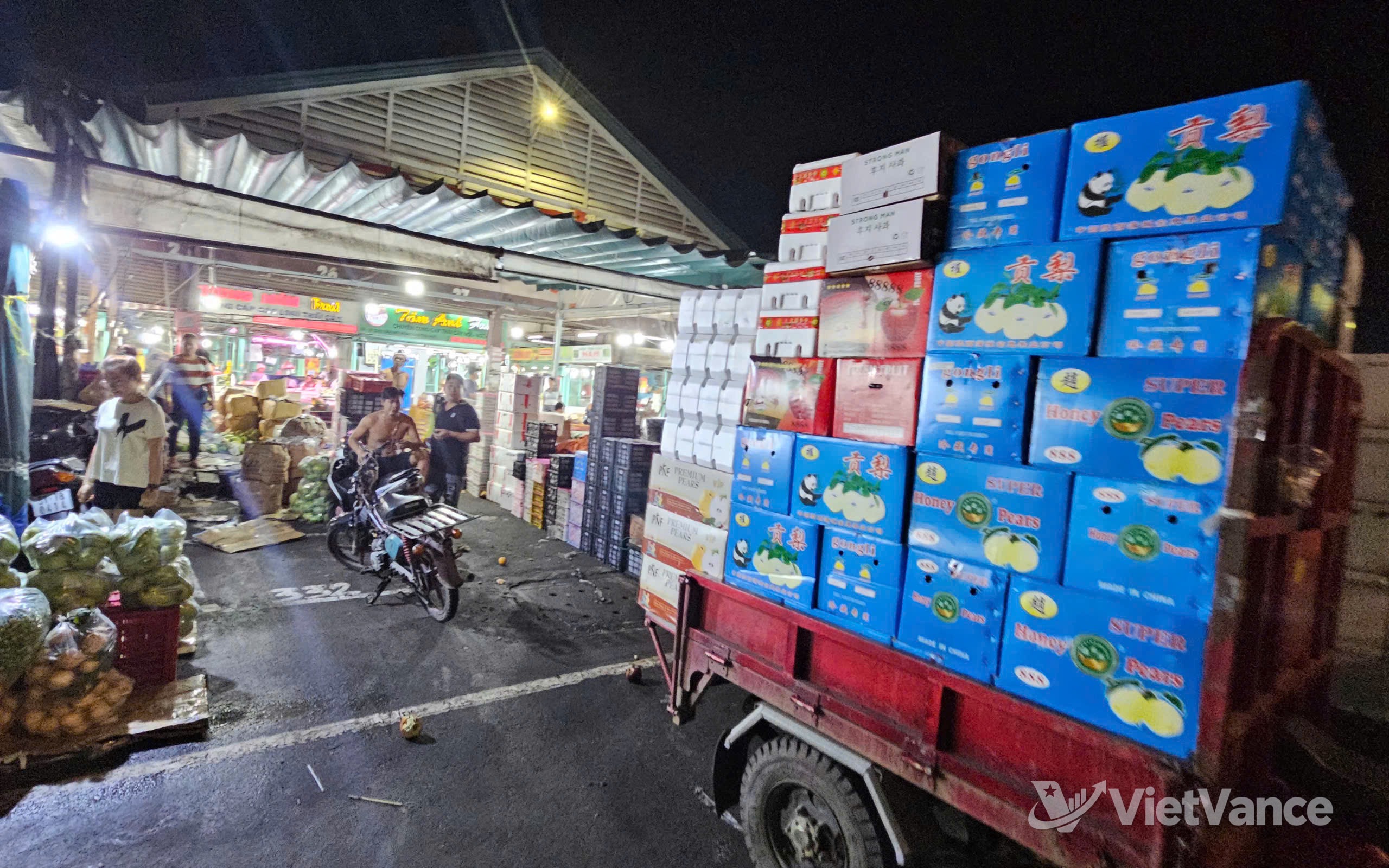
Freight costs are one factor affecting whether restaurant and food prices can fall.(VietVance)
Source: VietVance