Vietnam proposes ending fuel price stabilization fund; full repayment of VND 8 trillion advance may not be required
Vietnam’s Ministry of Industry and Trade has submitted a draft decree that would end contributions to and use of the fuel price stabilization fund when the decree takes effect. It proposes repaying a VND 8 trillion budget advance based on the balance after settlement, with any shortfall in certain cases recorded as budget spending to support fuel consumers.

Vietnam’s Ministry of Industry and Trade has submitted the 15th draft of a decree on fuel trading to the government. It proposes ending contributions to the fuel price stabilization fund and the use of the fund to stabilize prices when the decree takes effect. Existing fund balances would still be reconciled, audited and settled, and related financial obligations would continue to be addressed. The draft also covers fuel distribution, supply management and discounts.
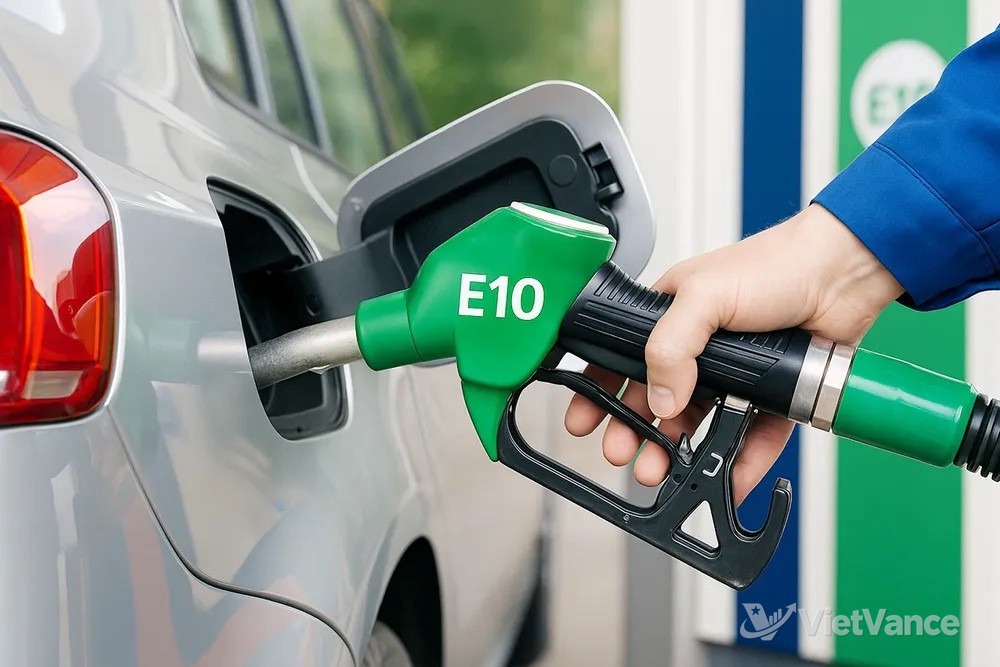
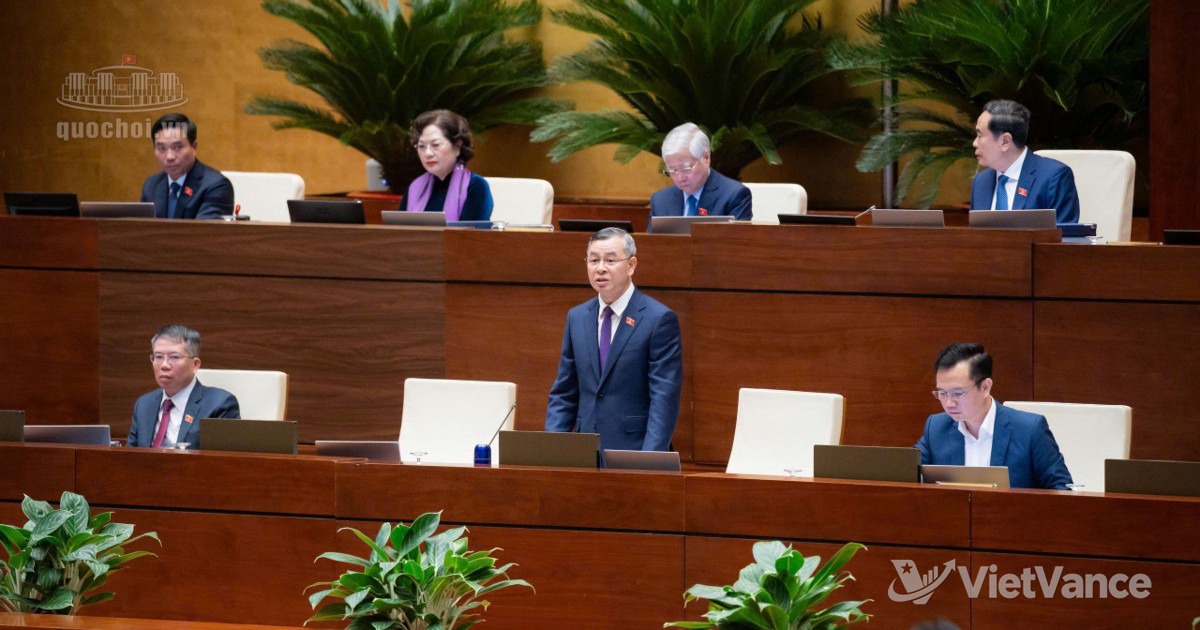
The Ministry of Industry and Trade proposes ending contributions to and use of the price stabilization fund when the new fuel trading decree takes effect.(VietVance)
The draft divides the fund’s money into two sources: amounts collected through fuel prices and advances from the state budget. Fuel wholesalers still operating would have to determine their balances as of the day before the decree takes effect and remit all positive balances within 30 days after it takes effect. Amounts collected through fuel prices would go into a fund account opened by the Ministry of Finance at the State Treasury; budget advances would be transferred to an account managed by the Ministry of Industry and Trade. The two ministries would then reconcile the figures, prepare a settlement and budget repayment plan, and submit it to the government for consideration.
For the VND 8 trillion advanced from the state budget, the draft proposes using the balance after settlement to determine repayment. If the fund has no surplus or has a negative balance, or if the budget advance source holds less than VND 8 trillion and has no negative balance, the remaining money would be returned to the budget. Any shortfall would be recorded as budget spending that directly supports fuel consumers, rather than as a debt to be recovered. If the fund has a surplus and the budget advance source exceeds VND 8 trillion, VND 8 trillion would be repaid immediately, and the remainder would be used by the Ministry of Industry and Trade to purchase fuel for national reserves.
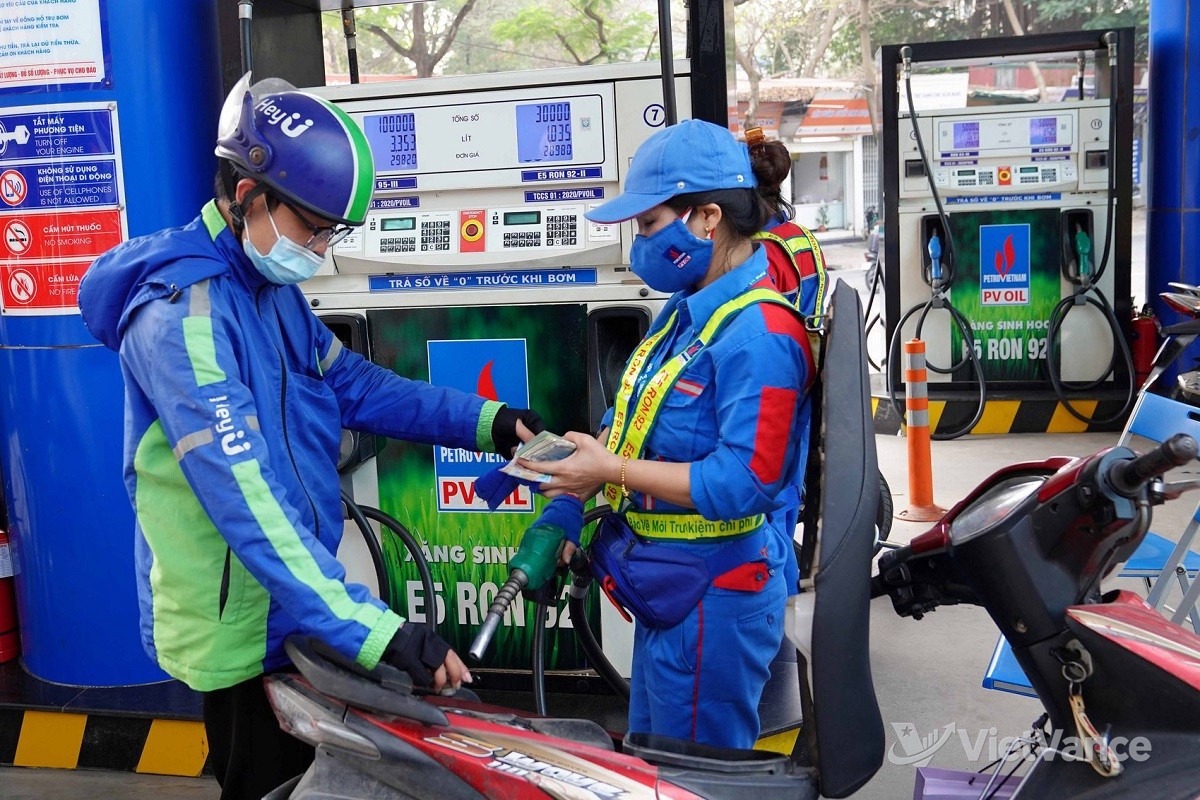
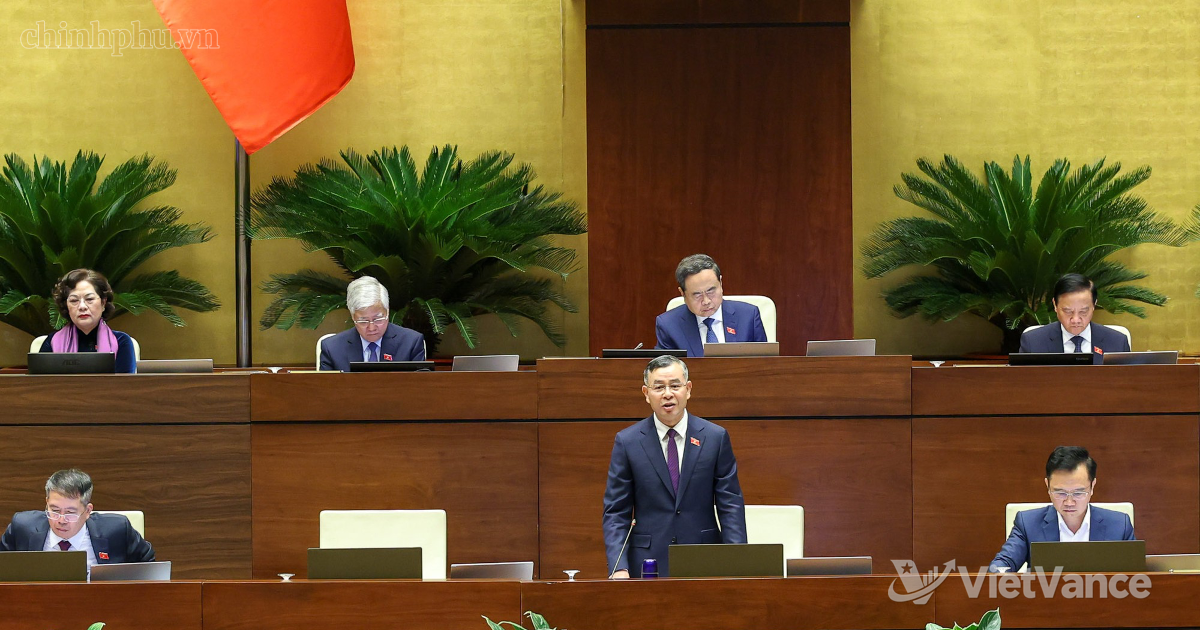
The Ministry of Industry and Trade proposes settling the VND 8 trillion budget advance based on the final balance. In certain cases, any shortfall would not be recovered.(VietVance)
The ministry previously proposed ending contributions to and use of the fund on January 1, 2027; if the budget advance balance was insufficient for repayment by then, contributions would continue until the full amount was available. The revision also follows the Government Inspectorate’s publication of findings from an inspection of fuel trading. According to the findings, 20 wholesalers did not follow Decree No. 95/2021/NĐ-CP. Instead, they drew on the fund when issuing invoices, resulting in about VND 2.209 trillion in fund disbursements for fuel that had not yet been sold. The inspectorate recommended studying an end to the current fund and using reserves, taxes and other tools to regulate the market.
Source: VietVance