Vietnam to Study Ending Fuel Price Stabilization Fund
Vietnam’s Government Inspectorate has recommended studying an end to the fuel price stabilization fund in favor of market pricing, national reserves and tax measures. Experts say reforms should also strengthen reserves, market oversight and supply chain arrangements.

Vietnam’s Government Inspectorate has recommended studying an end to the fuel price stabilization fund and regulating the fuel market through market mechanisms, national reserves and tax policy. The Ministry of Industry and Trade has also proposed removing the fund from price stabilization measures and adding price regulation tools when needed. Both proposals remain under consideration.
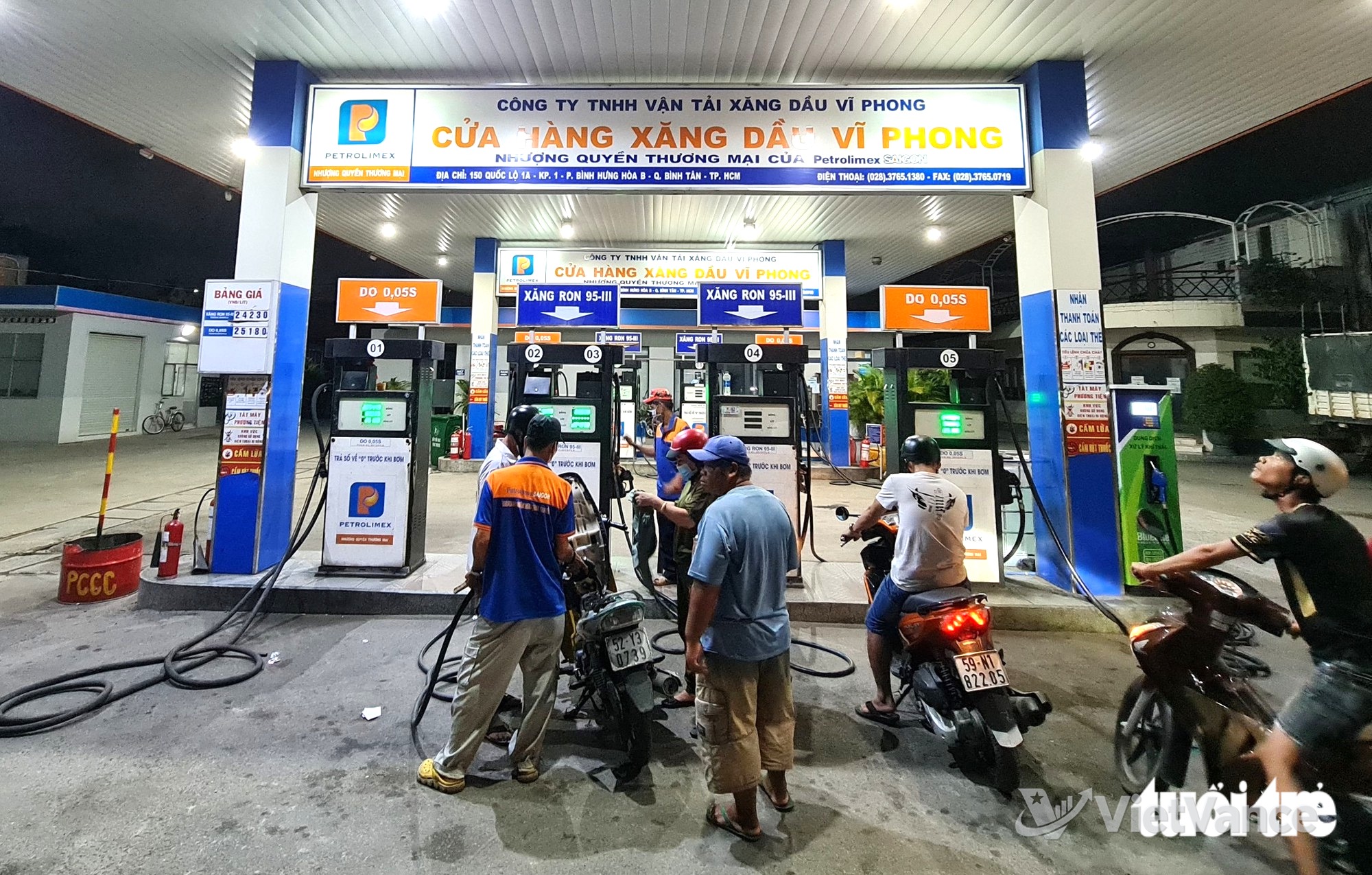
The Ministry of Industry and Trade has proposed changes to fuel price stabilization measures and additional price regulation tools when needed.(VietVance)
The fund typically accumulates money when international oil prices are low and draws on it when prices rise to ease fluctuations in Vietnam’s domestic fuel prices. The Government Inspectorate found problems in how fuel businesses managed and used the fund. Its capacity to respond is also limited: in the first quarter of 2026, its balance fell from more than 5.6 trillion Vietnamese dong to less than 200 billion Vietnamese dong.
Tăng Minh Hưởng, head of the Logistics and Supply Chain Management program at Ho Chi Minh City University of Technology (HUTECH), said ending the fund would not mean the government withdrawing from market regulation. He recommended allowing prices to reflect international markets and domestic costs more closely, while strengthening competition oversight and publishing information on prices, inventories and supply. When oil prices rise sharply, related taxes could be adjusted for a defined period under clear conditions.
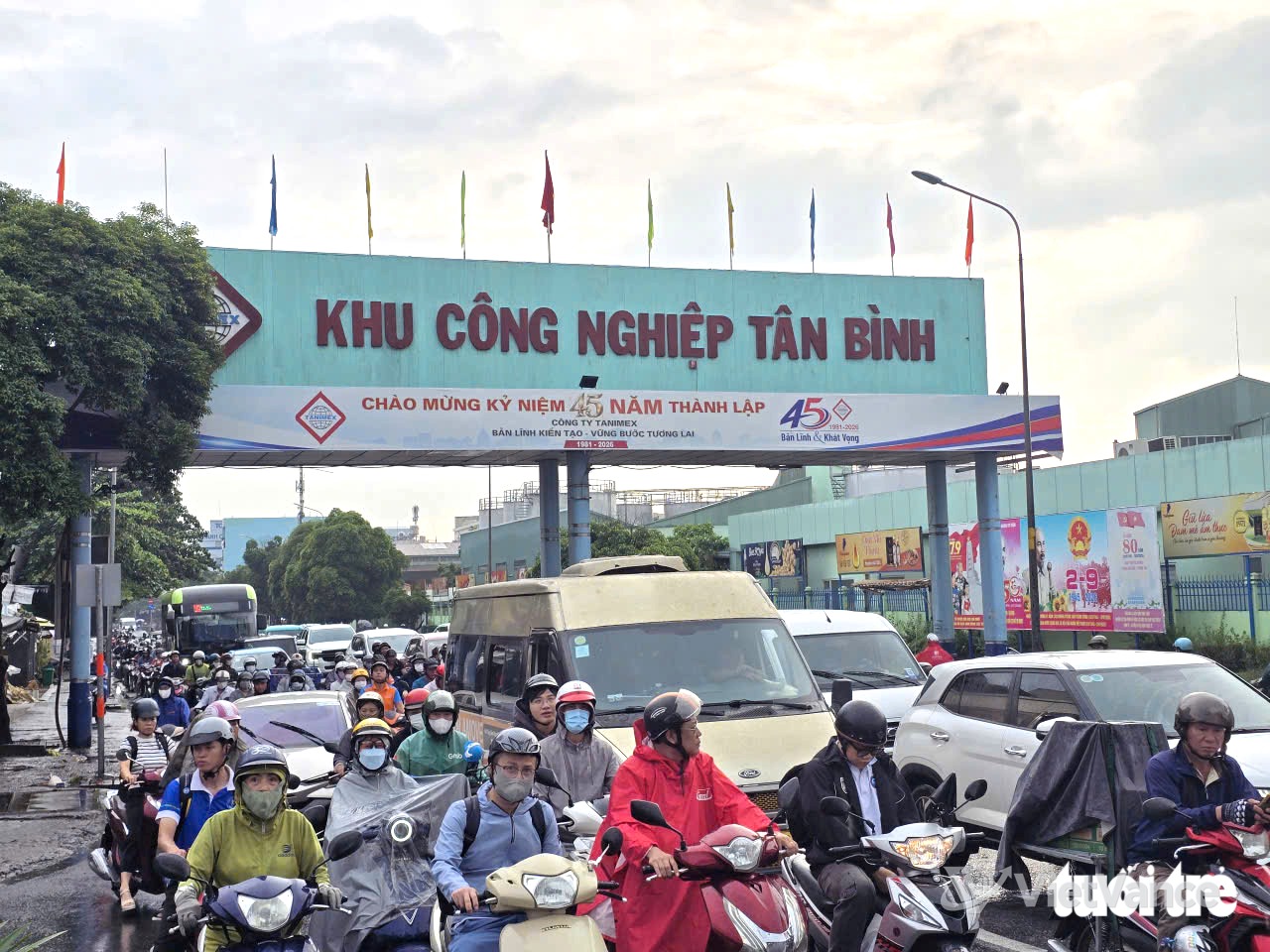
Experts recommend combining tax policy and strategic reserves with other tools to stabilize the fuel market.(VietVance)
Tăng Minh Hưởng also recommended increasing national fuel reserve capacity, clarifying businesses’ reserve obligations, and distinguishing between inventories for routine operations, mandatory business reserves and national strategic reserves. A representative of a fuel retailer in Ho Chi Minh City said that if retailers gain more freedom to set prices, wholesale prices and discounts from upstream suppliers must also be reasonably regulated to keep independent outlets operating and maintain market supply.
Source: VietVance