Vietnam Introduces Tax Risk Classification for Household Businesses
From July 1, 2026, Vietnam will classify household businesses by tax risk using data including electronic invoices, bank transactions and filing records. Tax authorities say leaving bank transfers without a description or using vague descriptions does not reduce tax obligations.

From July 1, 2026, Vietnam will classify household businesses by tax risk. Under the mechanisms of the 2025 Law on Tax Administration described in the article, tax authorities will use electronic invoices, transaction flows and past compliance records to determine the level of oversight each business requires. Risk classification is a management tool; it does not, in itself, establish a violation or provide grounds for a penalty.
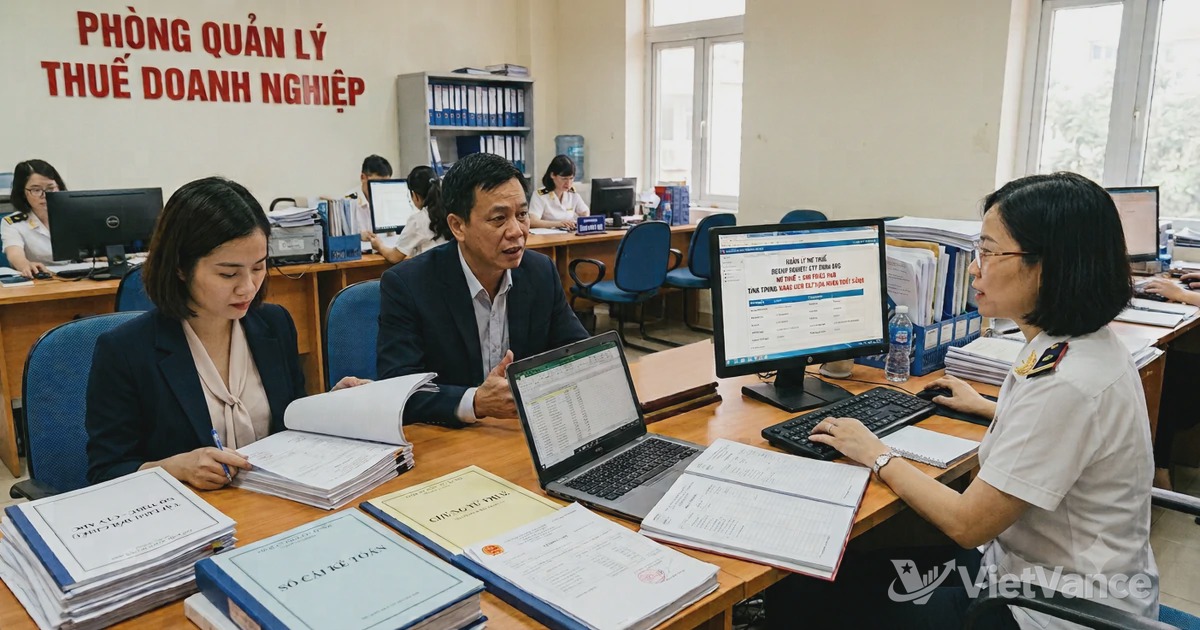
Illustrative image on tax administration.(VietVance)
Thanh Hoa Province’s Local Tax Office No. 12 said risk assessments focus on whether different data sources are consistent, including invoices, bank transactions, tax filings and payment records, and updates to business registration information. Discrepancies between reported revenue and transaction flows, or irregular invoice issuance, may signal a need for further review, but those signs alone do not establish a violation. Business operators retain rights including the right to explain, submit additional documents and lodge complaints.
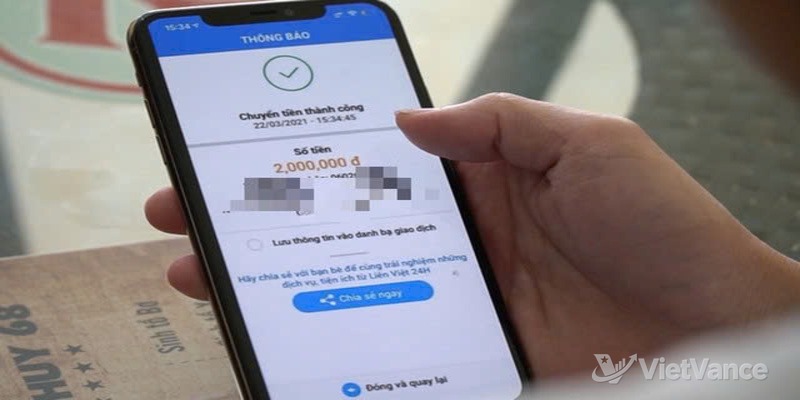
Under the tax rules described in the article, revenue used to calculate value added tax for household businesses and individual business operators includes all income earned from selling goods and providing services. Where the income is taxable, the calculation includes tax and does not depend on whether payment has been received. Accepting only cash, leaving bank transfer descriptions blank, or using vague descriptions such as “loan repayment” or “coffee money” does not change tax obligations and may raise suspicions of concealed revenue.
The director of the Hanoi Tax Department said tax authorities can still access data on sellers and transaction flows even when bank transfers have no description. The Hanoi tax authority said it also analyzes its tax database and information exchanged with other departments to identify risks of concealed revenue. The Region I Tax Subdepartment added that sellers who charge buyers extra for paying by bank transfer may be breaking the law.
Source: VietVance