Vietnam’s Finance Ministry and IMF Discuss 2027 Fiscal Policy
Vietnam’s Finance Ministry and an IMF delegation discussed the macroeconomic outlook and fiscal policy for 2027. The ministry said policy implementation should remain flexible while improving public investment efficiency and controlling the fiscal deficit and public debt.

Vietnam’s Deputy Minister of Finance Trần Quốc Phương recently met with an International Monetary Fund (IMF) Article IV consultation delegation led by Martin Sommer to discuss Vietnam’s macroeconomic situation, fiscal policy direction and growth outlook. The talks focused on fiscal policy and public investment plans for 2027. The source did not specify the date of the meeting.
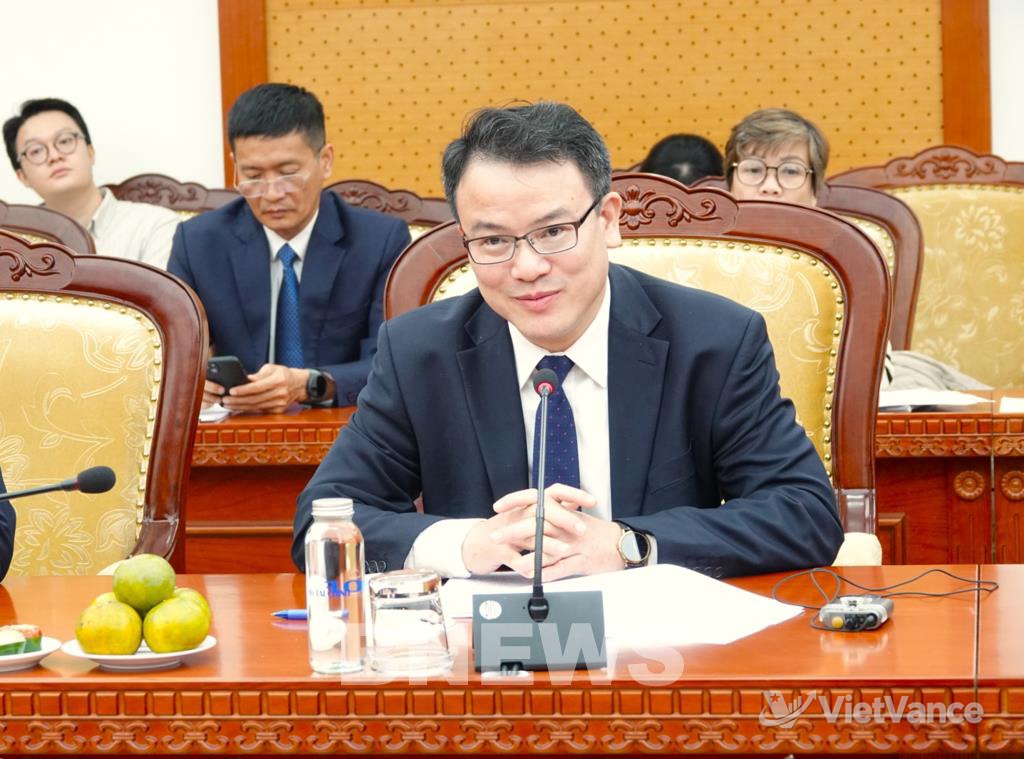
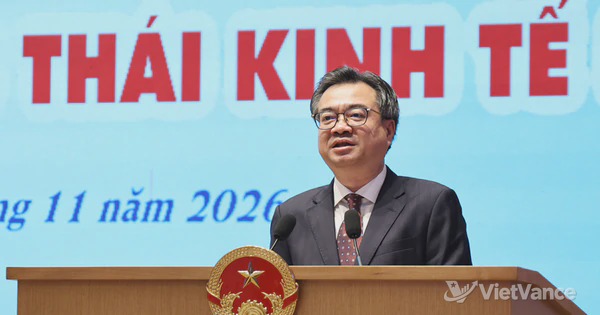
Vietnam’s Deputy Minister of Finance Trần Quốc Phương speaks at the meeting.(VietVance)
Trần Quốc Phương said Vietnam’s strategic goal of GDP growth of 10% or more during 2026–2030 requires developing new growth drivers and attracting private investment into transport infrastructure, energy, digital transformation, science and technology. He also stressed that efforts to promote growth must maintain macroeconomic stability, control inflation and safeguard the economy’s major balances.
Responding to the IMF’s recommendation that Vietnam adopt a broadly neutral fiscal policy in 2027 and proceed with public investment cautiously and in stages, Trần Quốc Phương said the Finance Ministry valued the recommendations, but policy implementation must remain flexible as conditions change. The ministry would be ready to adjust policy if inflationary pressures or financial risks rise. It plans to apply tax and fee reductions and payment deferrals selectively, reduce recurrent spending, prioritize development investment, social security and urgent tasks, and strictly control the fiscal deficit and public debt.
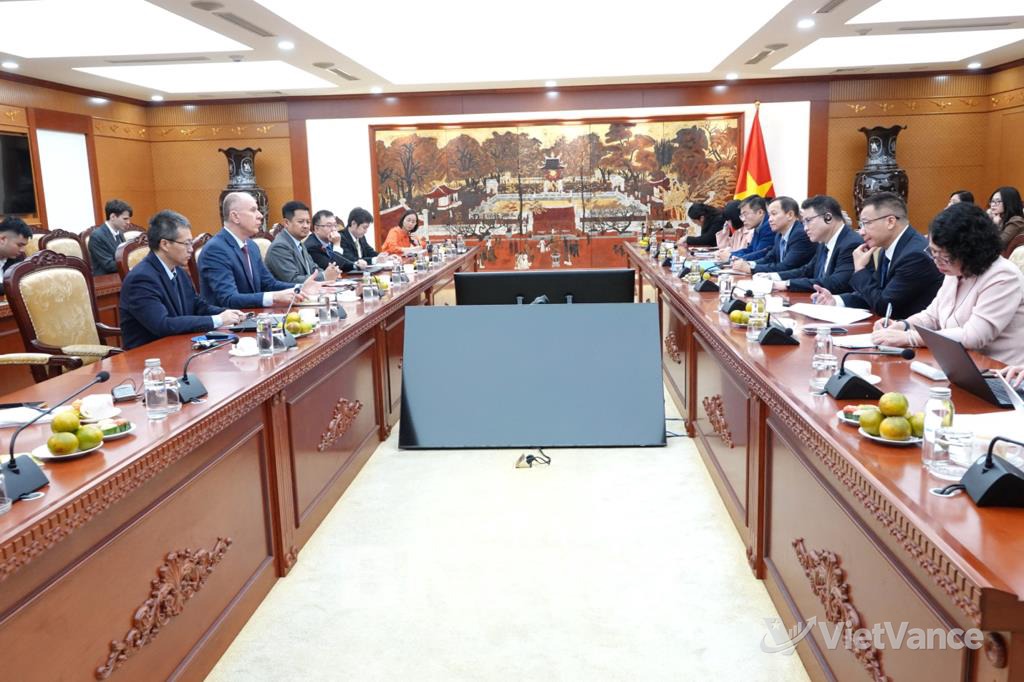
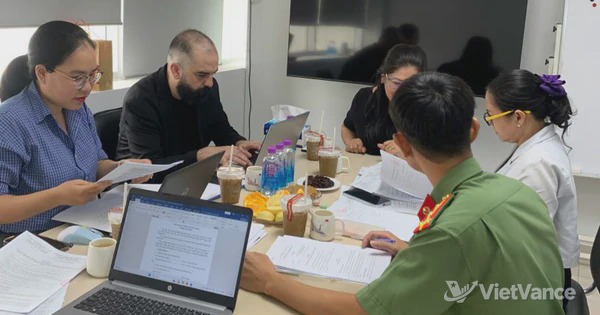
The meeting between Vietnam’s Finance Ministry and the IMF delegation.(VietVance)
On public investment, the ministry plans to review its list of projects, shift funding from projects with slow disbursement to those better able to use it, and link disbursement to completed work. It is also advancing institutional reforms in budgeting, taxation and securities. Martin Sommer said Vietnam’s economy performed well in 2026, with inflation close to its target and investment inflows remaining high. The IMF is willing to continue policy discussions and provide technical support on public investment and public financial management.
Source: VietVance