Vietnam Sets Price Ceiling for Power from Standalone Battery Storage Systems
Vietnam’s Ministry of Industry and Trade has approved a 2026 price framework for power from standalone battery energy storage systems, effective November 11. The ceiling is VND 3,209.98 per kWh, excluding VAT. Actual project prices will be determined based on costs and other applicable criteria.

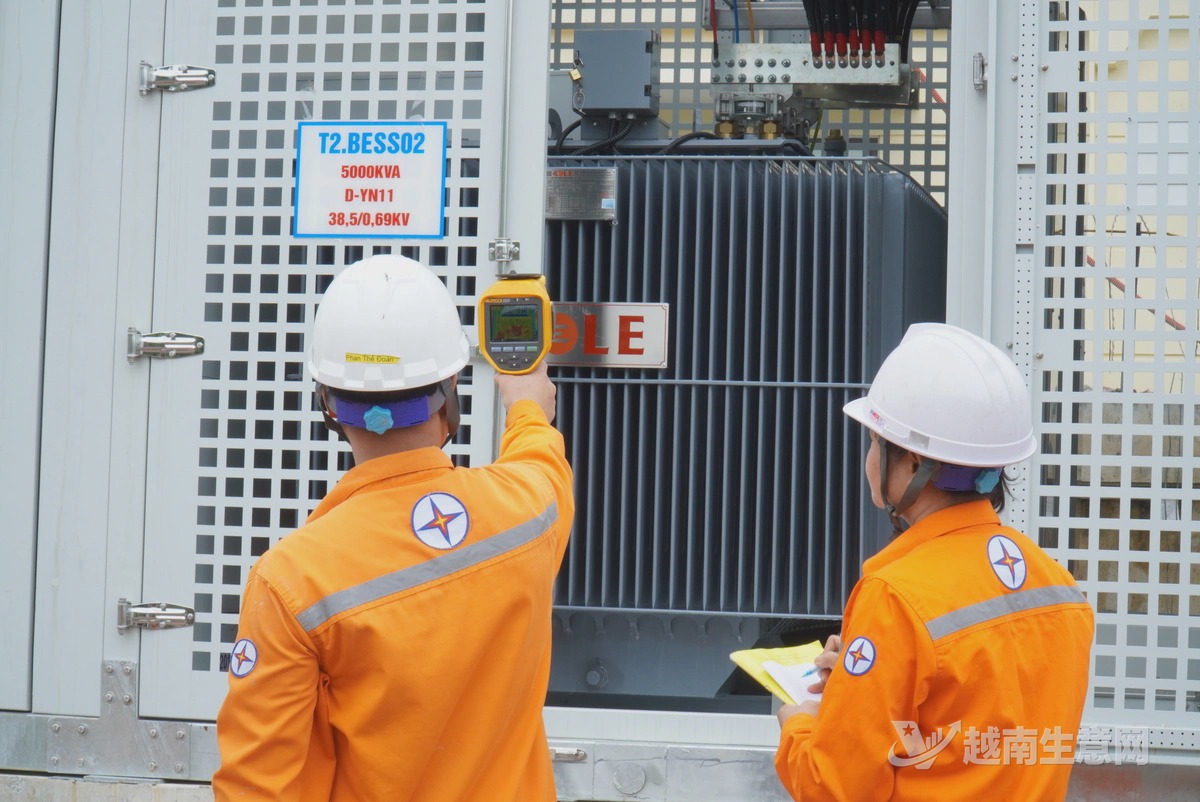
Vietnam’s Ministry of Industry and Trade has issued Decision No. 2987/QĐ-BCT, approving a 2026 power generation price framework for standalone battery energy storage systems (BESS). From November 11, 2026, the maximum price for these systems is VND 3,209.98 per kWh, excluding value-added tax. The framework applies to independently operated storage systems that are not attached to other power generation facilities.
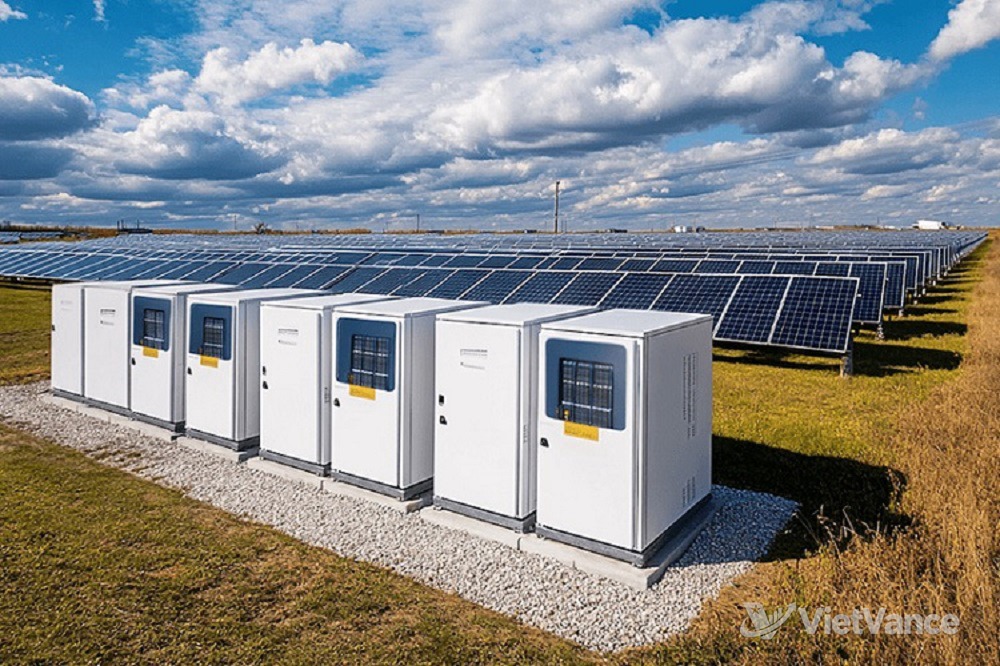
Decision No. 2987/QĐ-BCT sets a ceiling on power generation prices for standalone battery energy storage systems.(VietVance)
This is a ceiling, not a fixed price available to every project. Each project’s actual price must be determined under Circular No. 62/2025/TT-BCT, based on investment, operating and maintenance costs over its full life cycle, with an internal rate of return no higher than 12%. The circular applies to storage systems connected to the national grid at a voltage of at least 110 kV, with a capacity of at least 10 MW, and aligned with the national power development plan. Vietnam’s eighth power development plan sets a target of 10,000–16,300 MW of installed storage capacity by 2030.
On November 5, the ministry approved a 2026 solar power price framework that distinguishes between projects with and without storage. For ground-mounted solar projects with storage, the maximum prices in the north, central region and south are VND 1,813.48, VND 1,469.90 and VND 1,254.97 per kWh, respectively. The corresponding prices for floating solar projects are VND 2,120.31, VND 1,703.21 and VND 1,461.39 per kWh. Storage systems used to calculate prices under this framework must have a capacity of at least 10% of the solar plant’s capacity and a two-hour charging and discharging duration.
The standalone storage price framework gives project investors a basis for developing financial plans and negotiating power purchase agreements. It may also increase demand for batteries, power conversion systems and other equipment. Actual prices, however, still depend on project costs and contract terms. Storage systems used behind the meter at factories or industrial parks differ from the large standalone storage projects covered by this decision, so their investment returns cannot be assessed solely against this price ceiling.
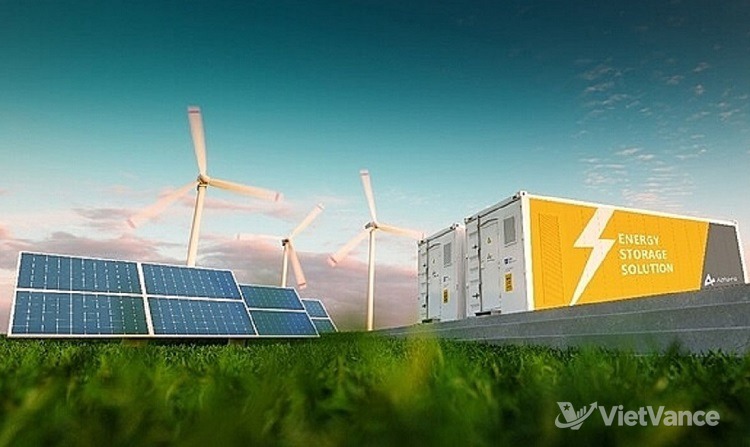
Rising investment in storage may create more market opportunities for suppliers of batteries and power conversion systems.(VietVance)
Source: VietVance