Vietnamese experts propose pilot national industrial and energy center
Vietnamese experts propose piloting one national industrial and energy center while refining policies and defining the lead company’s authority. The Ministry of Industry and Trade has proposed a $16.1 billion to $20.5 billion refining and energy center in Quảng Ngãi province.

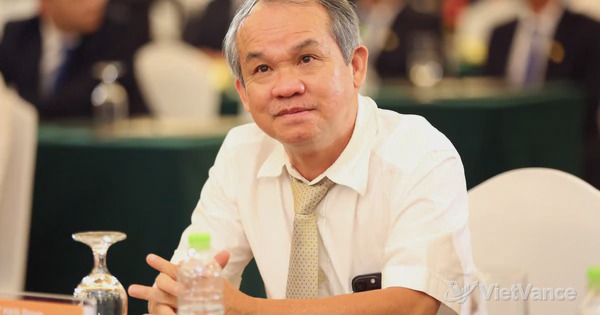
At a forum on November 18, Nguyễn Quốc Thập, chairman of the Vietnam Petroleum Association, proposed piloting one national industrial and energy center while refining policies during implementation. He said the model was new and some obstacles would become apparent only after it was put into practice. When selecting a lead company, authorities should also define what decisions its head can make and what responsibilities they will bear.
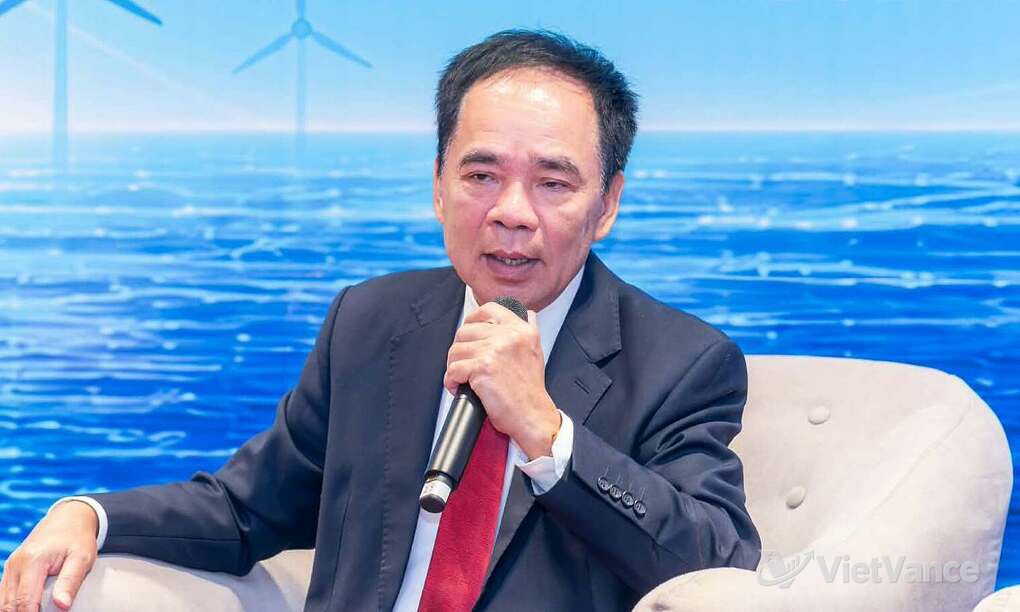
Nguyễn Quốc Thập, chairman of the Vietnam Petroleum Association, speaks at the forum on November 18.(VietVance)
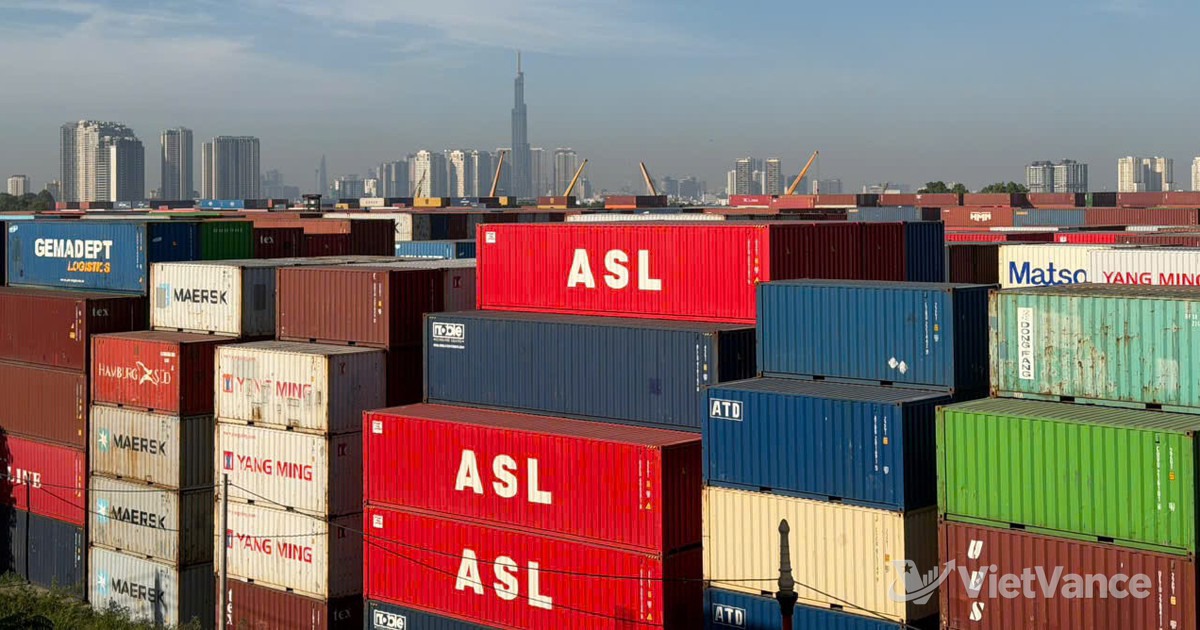
Industrial and energy centers are intended to connect energy supply with manufacturing and processing, ports, logistics and technical services, reducing costs through shared infrastructure, raw materials, technology and personnel. Nguyễn Quốc Thập said each center should build on local strengths: Dung Quất could focus on oil refining and petrochemicals; Vũng Tàu could draw on its strengths in oil industry machinery, technical services and port logistics; and Cà Mau could build on its gas, power and fertilizer supply chain.
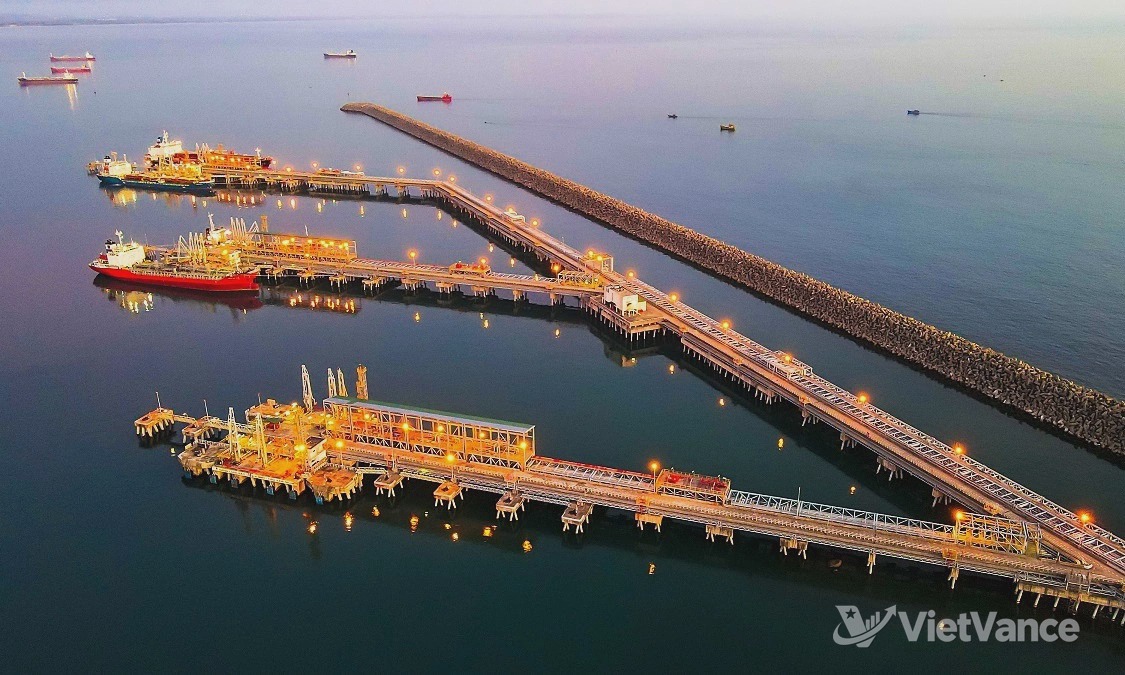
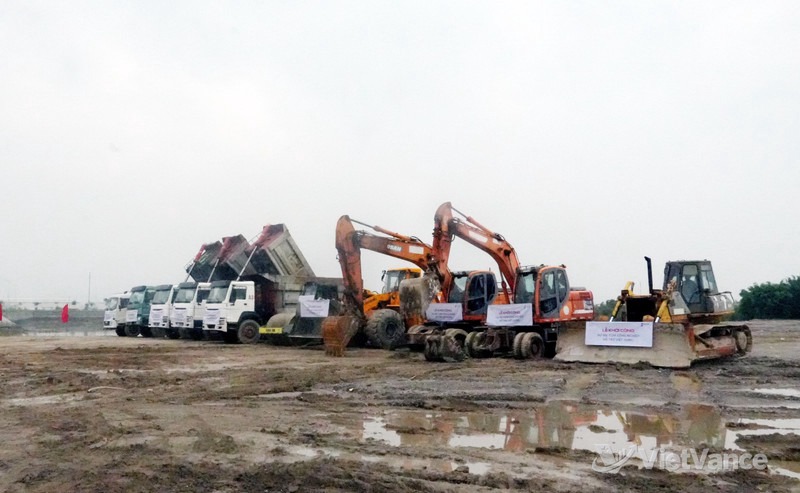
The Ministry of Industry and Trade has proposed building a national refining and energy center in the Dung Quất Economic Zone in Quảng Ngãi province. The project is planned in two phases, with total investment of $16.1 billion to $20.5 billion. An estimated $14.1 billion to $17.5 billion would be invested by 2030, followed by another $2 billion to $3 billion by 2045. Once completed, the center is expected to meet at least 30% of national petroleum product demand, provide reserves equivalent to 30 days of production and consumption, and create 30,000 jobs. It is projected to contribute 30% of Quảng Ngãi province’s gross regional domestic product.
Mai Tuấn Đạt, deputy general director of the Vietnam Refining and Petrochemical Corporation (BSR), said the company plans to connect industrial supply chains in Dung Quất. It has port facilities, storage tanks, pipelines and other infrastructure, as well as about 67 hectares of land adjoining its plant, which could link to petrochemical, sustainable aviation fuel and crude oil storage projects. BSR has also proposed special mechanisms covering investment, land, taxation, credit and management authority to attract investors.
Lê Hữu Trí, deputy head of the full-time National Assembly delegation from Khánh Hòa province, said policy trials would help refine the framework over time and that the centers should be planned with cooperation across regions in mind. Lê Việt Cường, a leader at the Ministry of Industry and Trade’s Institute of Energy, called for greater local management authority and an information system to support policy evaluation and investment decisions.
Source: VietVance