Vietnam’s Industrial and Energy Hubs Expected to Need $16.1–20.5 Billion
Vietnamese refining and petrochemical company BSR estimates that national industrial and energy hubs will require $16.1–20.5 billion, including $14–17.5 billion by 2030. The proposed hubs would connect existing refining, port and technical service facilities, while facing challenges in financing, orders and skilled labor.

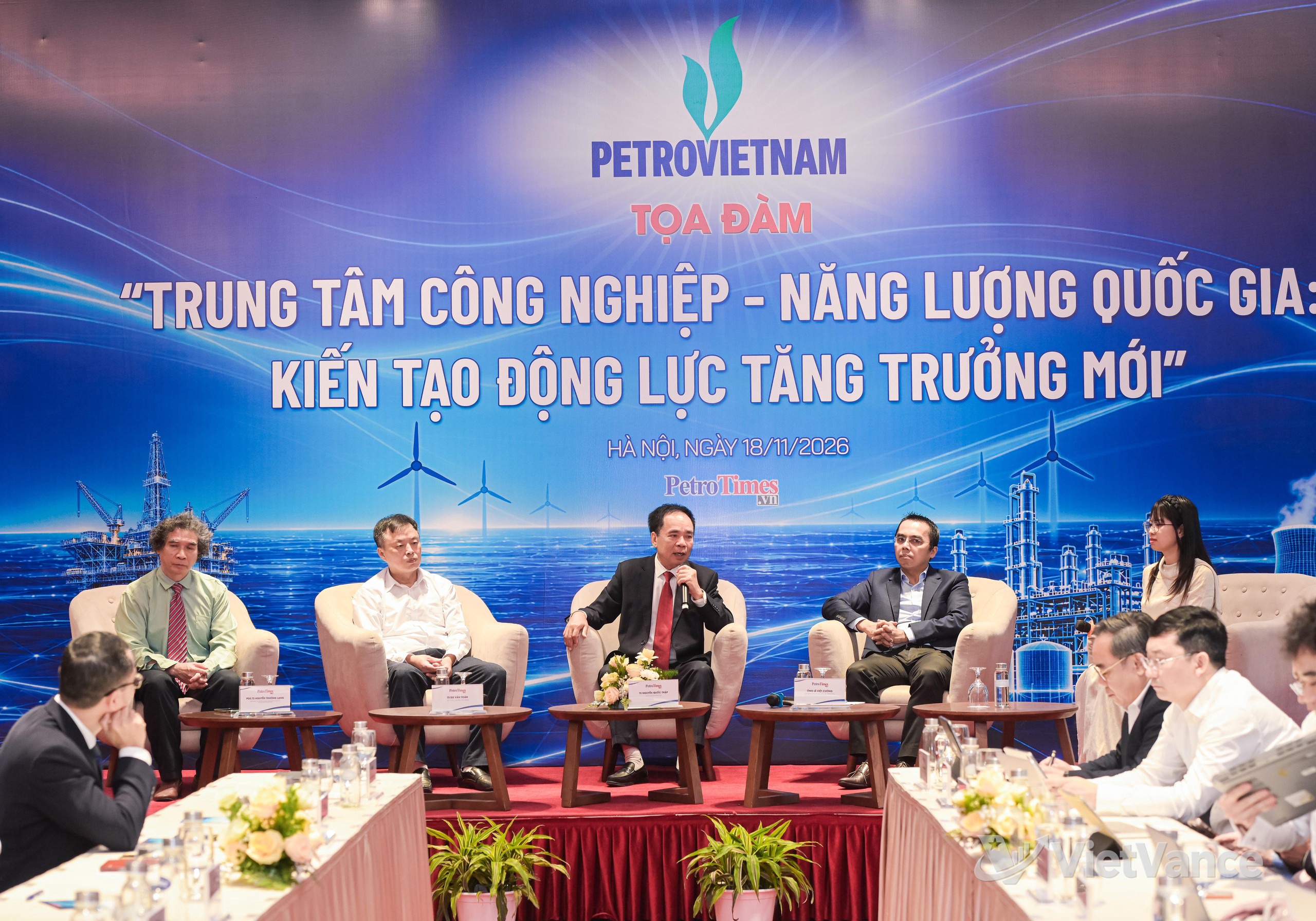
Vietnamese refining and petrochemical company Tổng Công ty Lọc hóa dầu Việt Nam (BSR) estimates that developing national industrial and energy hubs will require about $16.1 billion to $20.5 billion, including $14 billion to $17.5 billion by 2030. The estimate was presented at a symposium on industrial and energy hubs held on November 18.
The development of industrial and energy hubs faces several challenges.(VietVance)
BSR Deputy General Director Mai Tuấn Đạt said the company has port facilities, storage tanks, pipelines, and water and power infrastructure, as well as about 67 hectares of available land next to its refinery. These assets could support petrochemical, sustainable aviation fuel, synthetic fuel and crude oil storage projects. The company plans to increase the share of deeply processed and petrochemical products and advance its energy transition. Its Dung Quất refinery upgrade and expansion project has an investment budget of 36.397 trillion Vietnamese dong and a target capacity of 171,000 barrels per day.
Dương Quốc Huân, a representative of Tổng công ty Cổ phần Dịch vụ Kỹ thuật Dầu khí Việt Nam (PTSC), said the company aims to take on equipment manufacturing, technical services and industrial value chain coordination. It currently faces a shortage of domestic orders, high investment costs for shared infrastructure, long payback periods and a shortage of highly skilled workers. PTSC recommends moving ahead with domestic offshore wind projects as soon as possible and improving investment mechanisms for shared infrastructure.
Experts at the symposium said industrial and energy hubs could bring renewable energy, manufacturing facilities, ports and logistics together, allowing them to share infrastructure and use resources more efficiently. Nguyễn Quốc Thập, chairman of the Vietnam Petroleum Association, said each location should build on its own strengths: Dung Quất could focus on refining and petrochemicals, Vũng Tàu on oil and gas technical services and port logistics, and Cà Mau on its natural gas, power generation and fertilizer value chain.
Source: VietVance