Vietnam Advances Industrial Energy Hubs; BSR Estimates $16.1–20.5 Billion Needed
Vietnam is promoting industrial energy hubs that integrate natural gas, electricity, refining and petrochemicals, and renewable energy. BSR estimates that establishing a national hub will require $16.1–20.5 billion; a special policy framework has received in-principle approval and is under National Assembly review.

Vietnam plans to build integrated industrial energy hubs in suitable areas, bringing together natural gas, liquefied natural gas, electricity, refining and petrochemicals, and renewable energy. At a forum in Hanoi on November 18, participants described the hubs as a way to secure energy supplies and drive industrial growth. Vietnam’s Politburo gave in-principle approval on October 16, 2026, to develop special measures for the hubs; the National Assembly is reviewing the proposal.
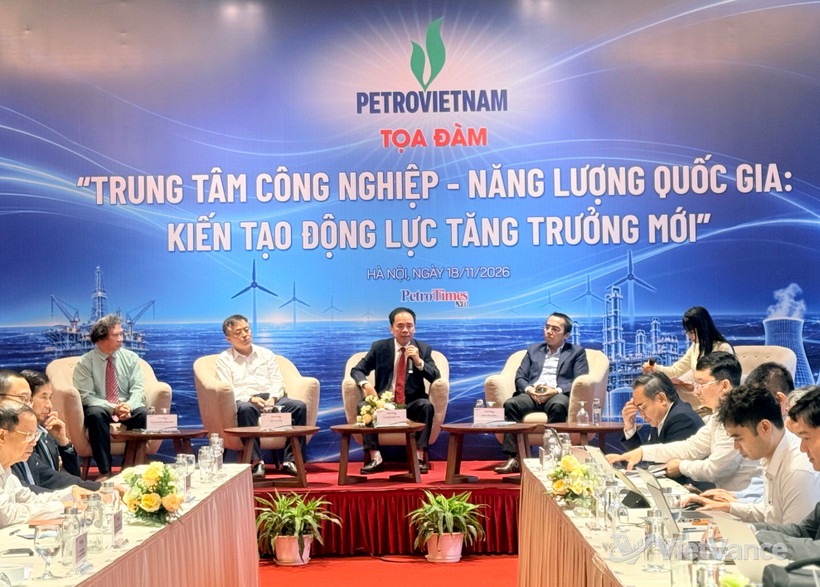
Experts attend a November 18 forum in Hanoi on national industrial energy hubs.(VietVance)
Mai Tuấn Đạt, deputy general director of Vietnam Oil Refining and Petrochemical Corporation (BSR), said the Dung Quất refinery has produced more than 103.5 million tonnes of products in nearly 20 years of operation, meeting more than 30% of Vietnam’s petroleum product demand. BSR plans to make the refinery the core of a network connecting local refining, petrochemical and energy projects. A planned upgrade and expansion would cost VND 36.397 trillion and raise capacity to 171,000 barrels per day.
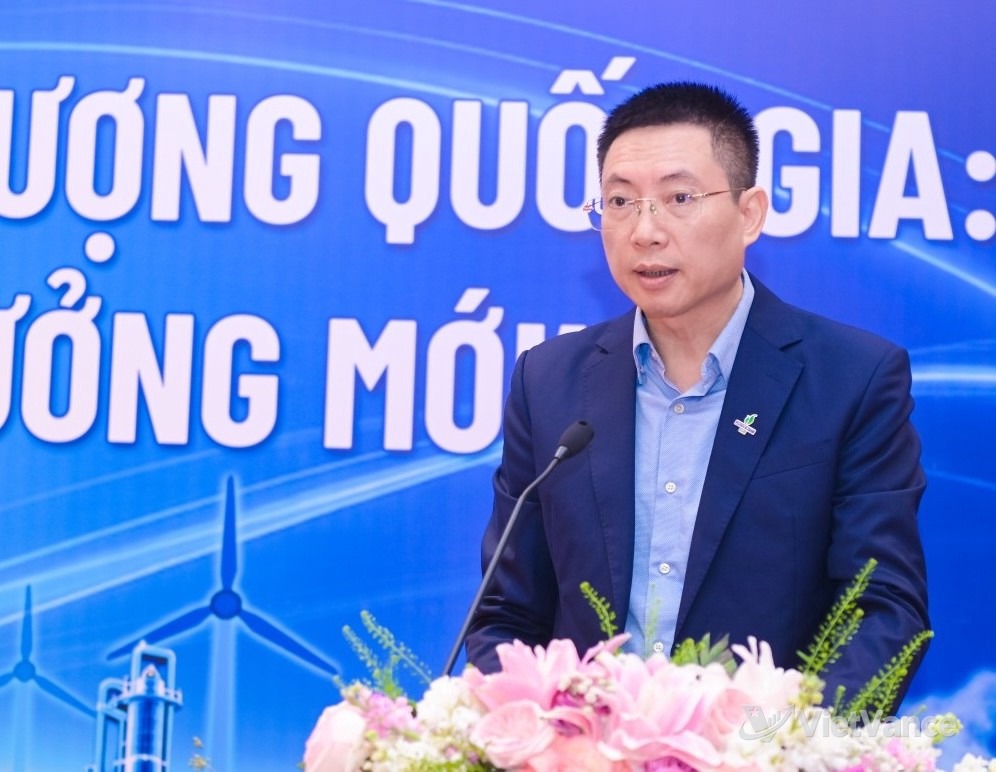
BSR Deputy General Director Mai Tuấn Đạt discusses the funding needs of an industrial energy hub at the forum.(VietVance)
BSR estimates that establishing a national industrial energy hub will require about $16.1–20.5 billion, including $14–17.5 billion by 2030. The company has proposed special measures covering investment procedures, land, taxation, credit and overall planning to attract investors.
Alongside refining and petrochemicals, renewable energy is part of the hub plans. Dư Văn Toán said wind and solar projects could be linked with industrial parks, ports and manufacturing facilities to support related industries. Dương Quốc Huân, a representative of Vietnam Petroleum Technical Services Corporation (PTSC), said the company is involved in manufacturing, transporting and installing offshore wind equipment worldwide, but still faces a shortage of domestic orders and substantial investment needs for shared infrastructure.
Nguyễn Quốc Thập, chairman of the Vietnam Petroleum Association, said each hub should focus on its own strengths: Dung Quất could prioritize refining and petrochemicals, while Cà Mau could build related industries and services around its gas, power and fertilizer supply chain. He called for shared infrastructure to connect energy and industrial projects.
Source: VietVance