Vietnam’s Finance Ministry: Nearly 600 Files on Suspected Invoice Violations Referred to Police
Vietnamese Finance Minister Ngô Văn Tuấn said on November 12 that since 2022, tax authorities have referred nearly 600 files involving businesses suspected of illegally trading invoices to police. He also outlined stronger business checks and digital tax management measures, and addressed financing for public-private partnership projects.

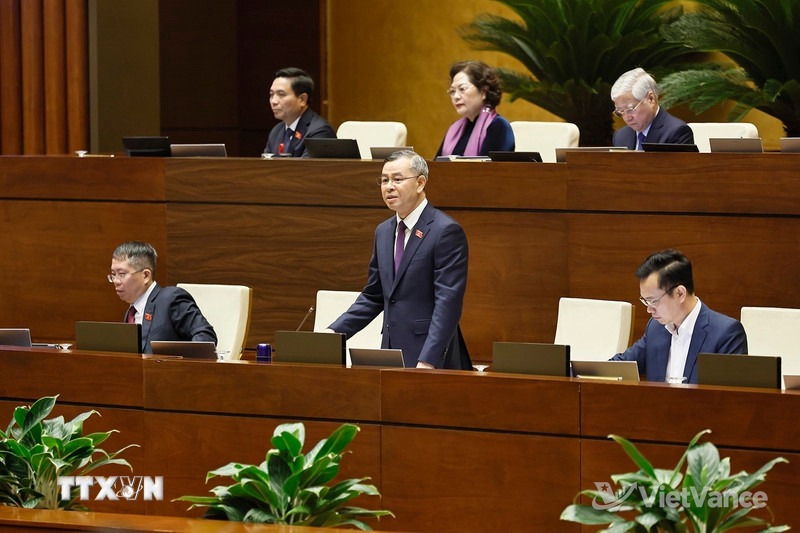
On the morning of November 12, Vietnamese Finance Minister Ngô Văn Tuấn said during a questioning session that, since 2022, the authorities had referred nearly 600 files involving businesses suspected of illegally trading invoices to police for handling under the law. He said that although electronic invoices had been introduced nationwide, some people still used others’ information and tax identification numbers to commit violations.
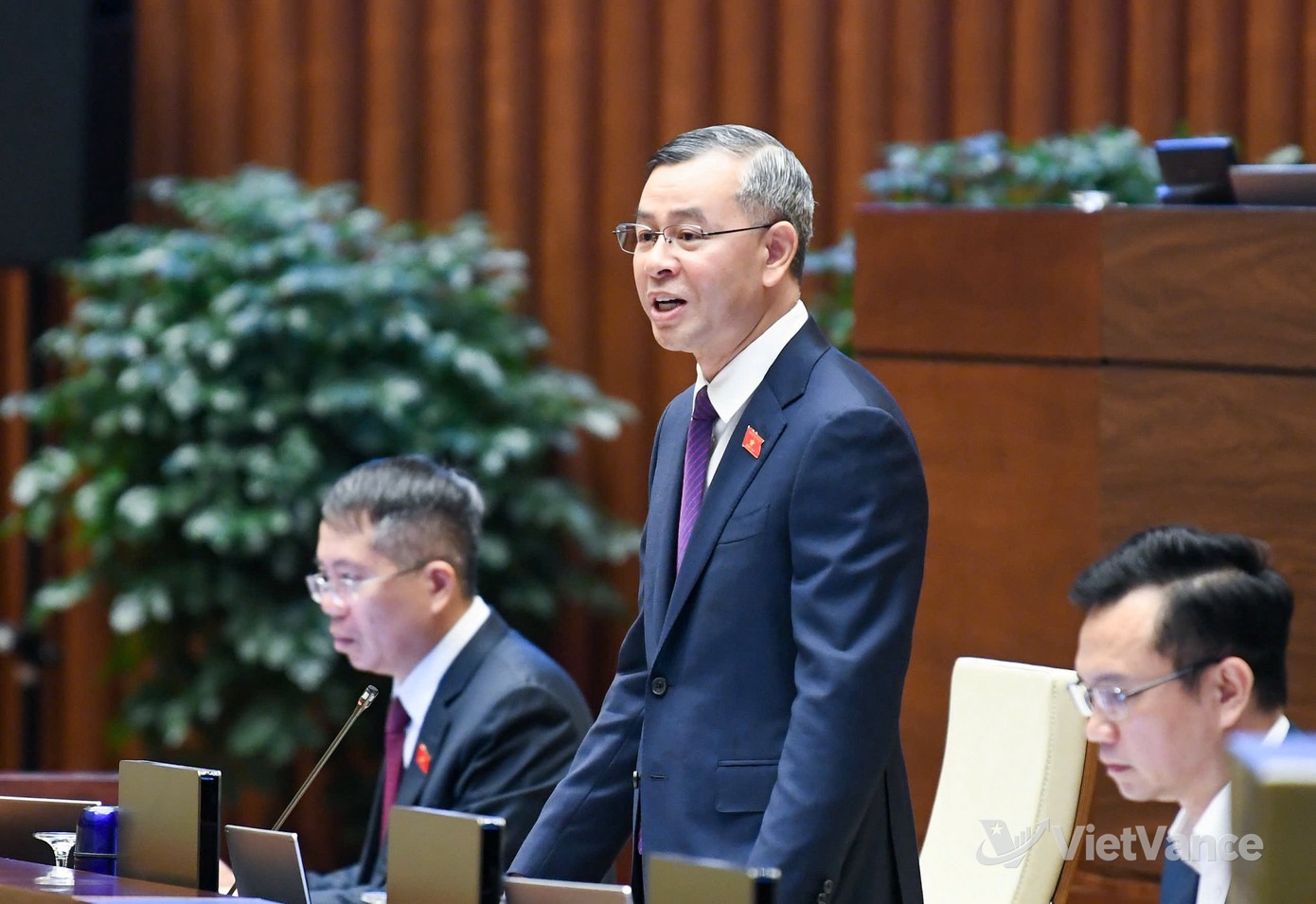
Vietnamese Finance Minister Ngô Văn Tuấn answers questions during the questioning session.(VietVance)
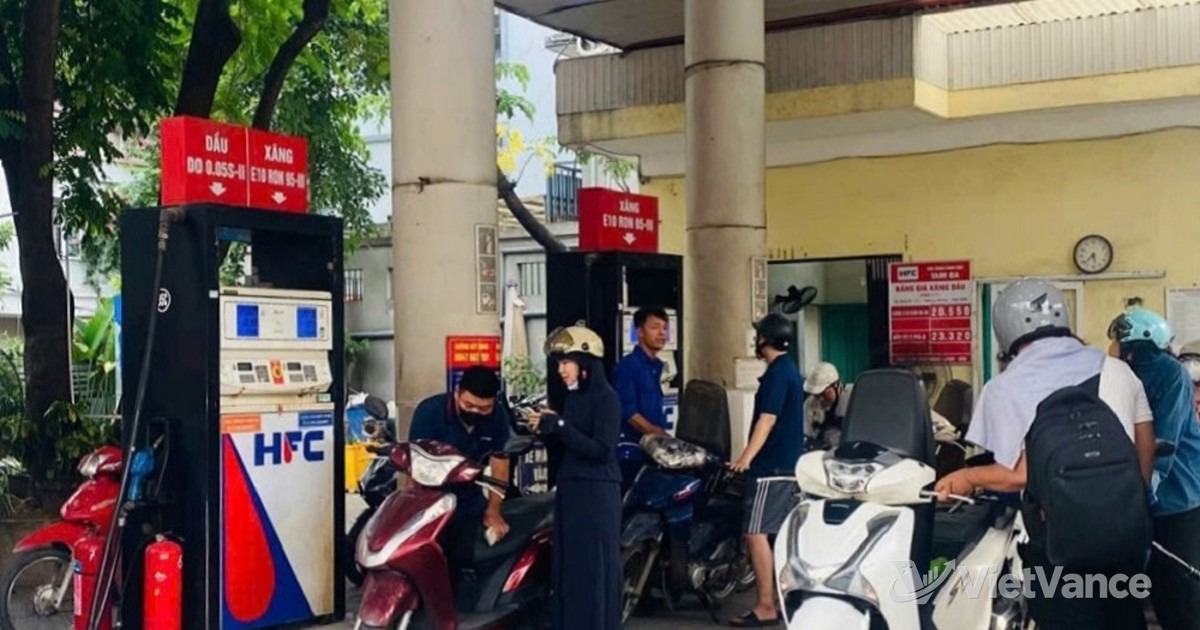
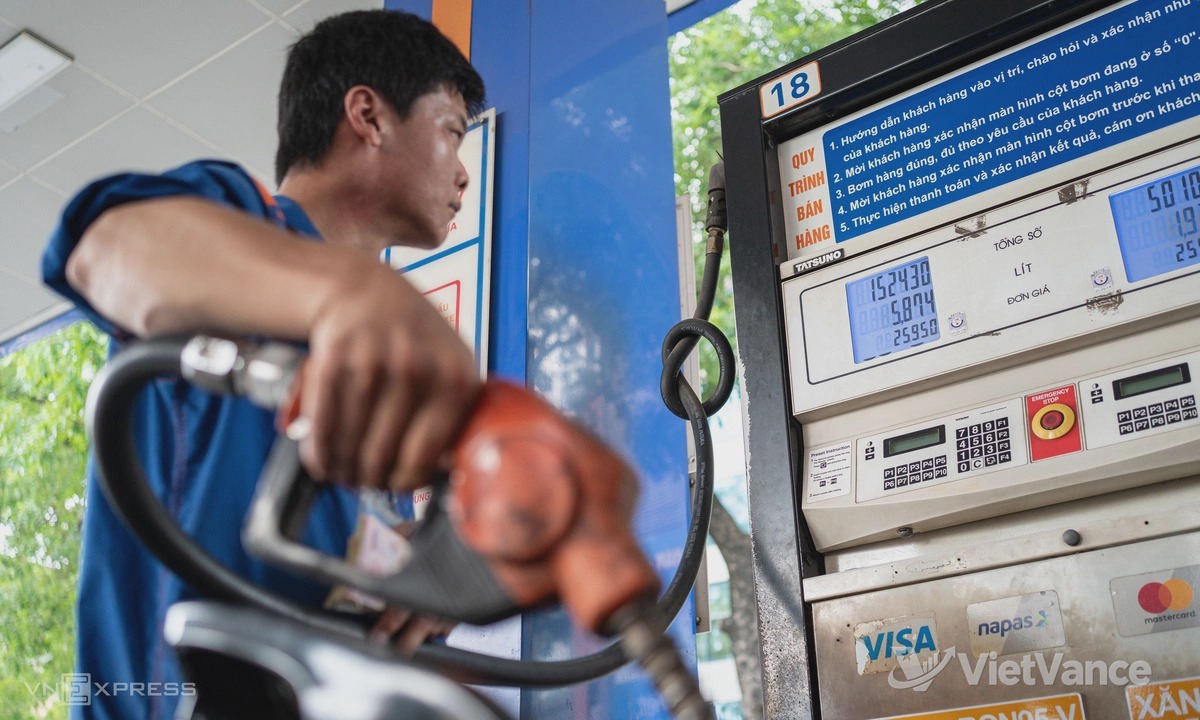
Lào Cai representative Hà Đức Minh questioned the minister about illegal invoice trading. Ngô Văn Tuấn said tax authorities had issued more than 10 billion invoices in the first 10 months of 2026; figures from the report cited at the session included about 5.2 billion electronic invoices and 5.5 billion paper invoices. The Finance Ministry will increase the use of digital technology in tax administration and work with relevant agencies to verify the identities of business registrants, owners and managers, with inspections focused on higher-risk parties and sectors.
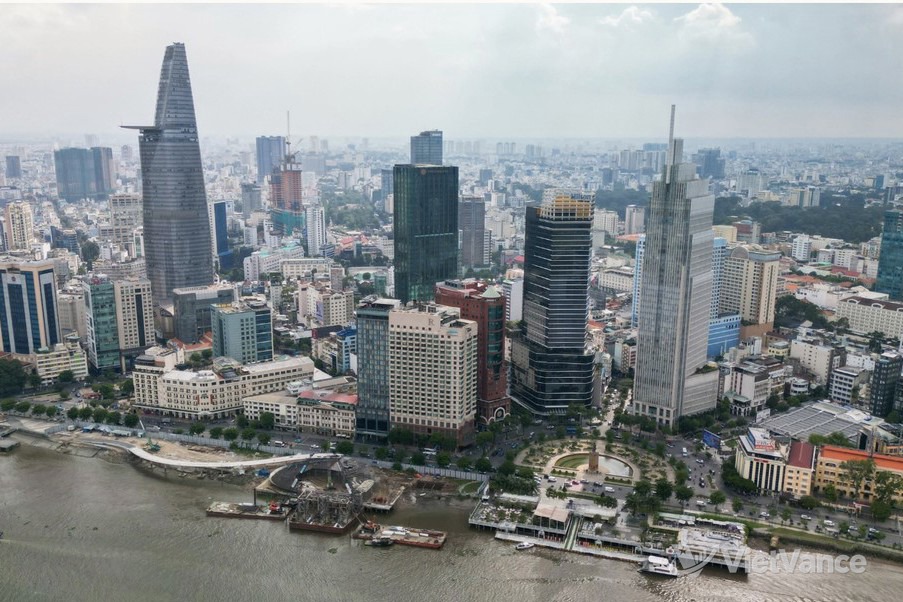
Tây Ninh representative Lê Thị Song An asked how to mobilize resources, speed up public-private partnership projects and ensure funding is provided on time and in full. Ngô Văn Tuấn said Vietnam had implemented 69 public-private partnership projects since its PPP law was introduced in 2020, mainly under the BOT and BT models.
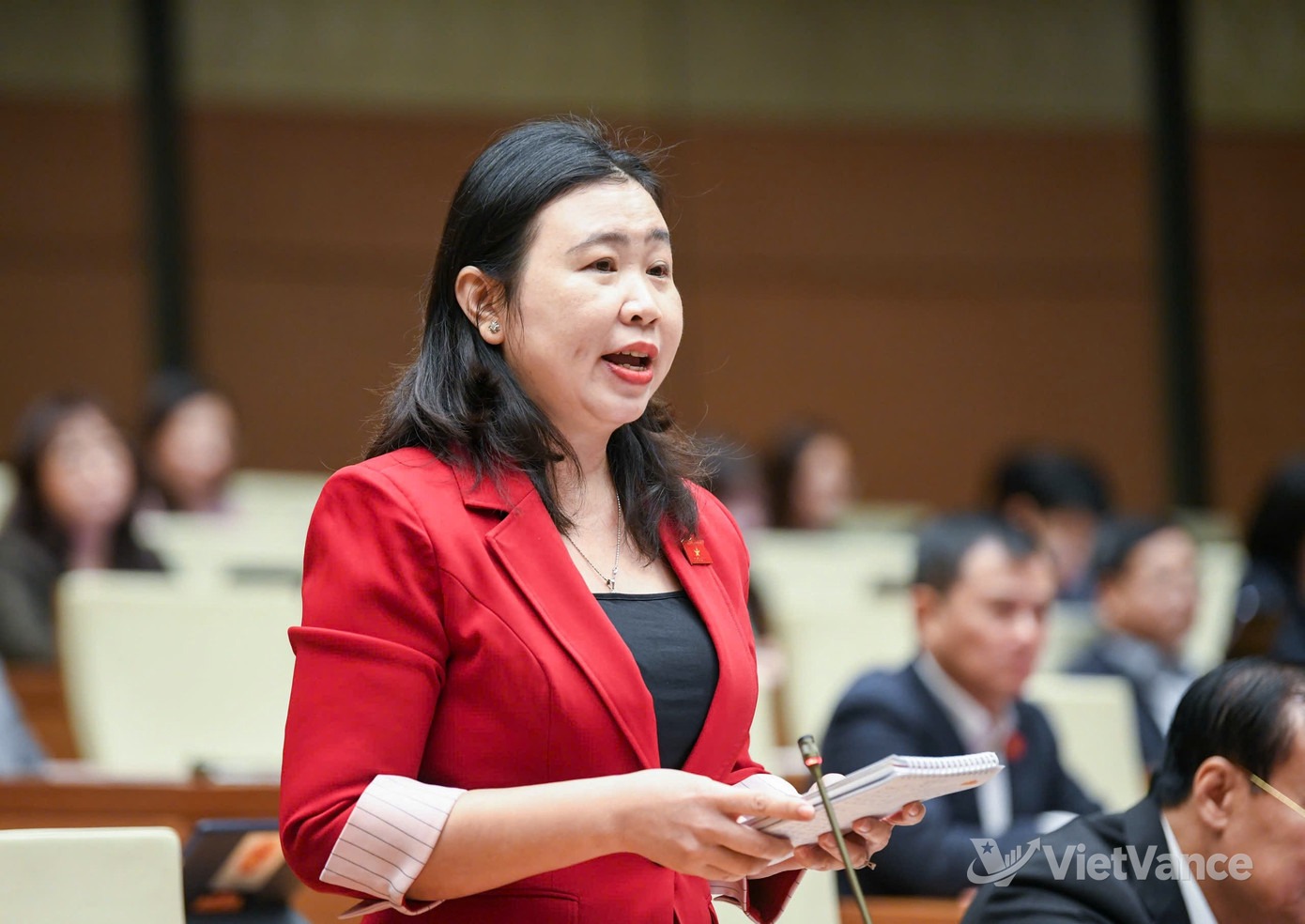
The Tây Ninh representative asks about financing for public-private partnership projects.(VietVance)
Discussing how to attract private capital, Ngô Văn Tuấn called for open, transparent and workable policy mechanisms and attention to three sources of funding: support for project preparation, financing support and long-term investment. He also said public-private partnership projects should protect the public’s interests; when building toll expressways, authorities should maintain existing roads so people retain a choice of routes.
Source: VietVance