Vietnamese scientists may conduct research using Russia’s MBIR reactor
The director of the Vietnam Atomic Energy Institute said Russia will facilitate Vietnamese scientists’ access to the MBIR research reactor. Proposed work includes irradiation tests of nuclear materials, assessments of nuclear fuel and research into nuclear waste treatment. The reactor was still in the final stages of construction in 2026.

Trần Chí Thành, director of the Vietnam Atomic Energy Institute, said Russia will facilitate Vietnamese scientists’ access to the MBIR research reactor to strengthen Vietnam’s research capacity in nuclear materials, nuclear fuel and reactor technology. The research will serve Vietnam’s national program for the peaceful use of atomic energy.
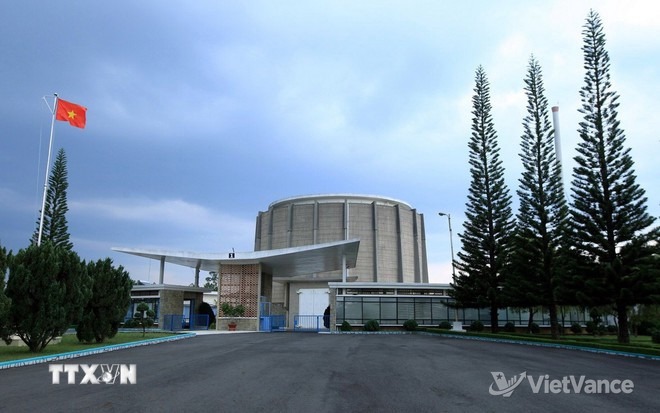
File photo of the Da Lat nuclear reactor.(VietVance)
Under current plans, Vietnamese scientists could test structural materials and equipment under high intensity irradiation, validate computer programs used in nuclear project safety assessments, and study the properties of different nuclear fuels and coolants. They may also take part in research on the transmutation of minor actinides and technologies to reduce the volume and radioactivity of nuclear waste. These are proposed areas of research, not results already achieved.
Russia’s State Atomic Energy Corporation (Rosatom) says MBIR is a multipurpose fast neutron research reactor cooled by liquid sodium, with a thermal capacity of 150 megawatts. The reactor is being built at the Research Institute of Atomic Reactors in Dimitrovgrad, Russia. The project was in its final stages of construction in 2026 and had not yet begun operating.
Once operational, MBIR is expected to be used for experimental research, radioisotope production, development of modified materials and testing of new equipment. Rosatom says its high neutron flux and varied irradiation conditions can be used to simulate the operating environment of future reactors and support research into technologies including the nuclear fuel cycle.
Source: VietVance