Vietnam Passes Law Clarifying Legal Hierarchy and Ministerial Responsibilities
Vietnam’s National Assembly passed the Law on Normative Legal Documents on November 20. It takes effect on March 1, 2027. The revised draft clarifies the hierarchy of legal documents, requires eight ministries and ministerial-level agencies to submit written comments on policy documents within 15 days, and sets conditions for urgent changes to laws and resolutions.

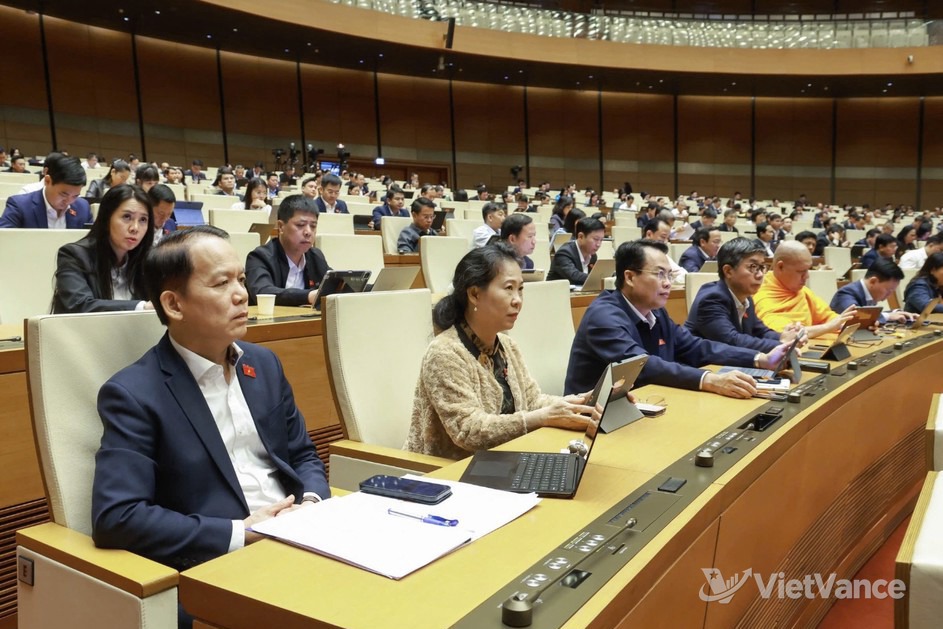
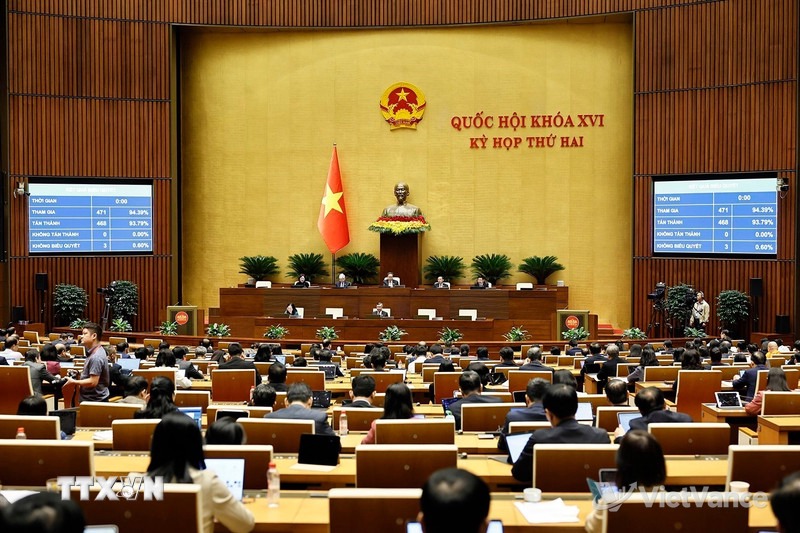
On the morning of November 20, Vietnam’s 16th National Assembly passed the Law on Normative Legal Documents during its second session. The law will take effect on March 1, 2027. The revised draft submitted for consideration adds provisions on the hierarchy of legal documents and clarifies the responsibilities of eight ministries and ministerial-level agencies in providing comments on policy documents.
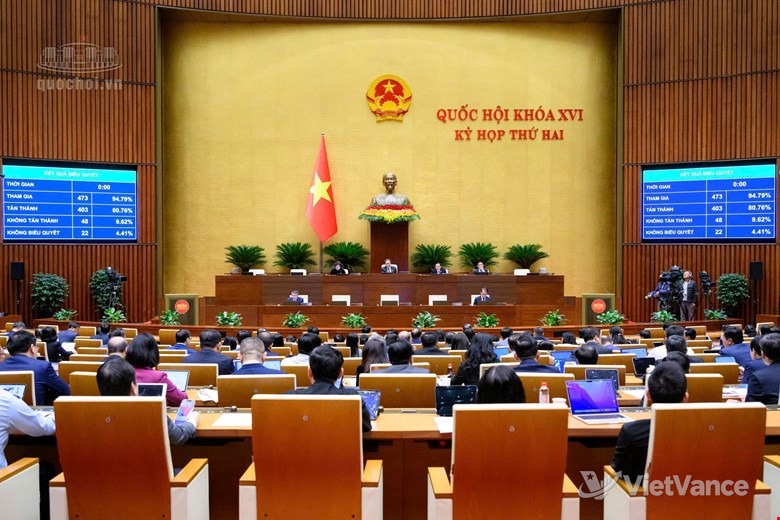
Vietnam’s National Assembly passed the Law on Normative Legal Documents.(VietVance)
The revised draft places the Constitution at the top of the legal hierarchy, followed by codes, laws and resolutions issued by the National Assembly. It then specifies the ranks of documents issued by the President, the National Assembly Standing Committee, the Government, the Prime Minister and relevant judicial bodies. At the local level, the hierarchy includes resolutions of provincial People’s Councils, decisions of provincial People’s Committees, and resolutions of commune-level People’s Councils and decisions of commune-level People’s Committees. The Vietnamese government said clarifying the hierarchy would reduce obstacles arising from unclear rankings when regulations are drafted and implemented.
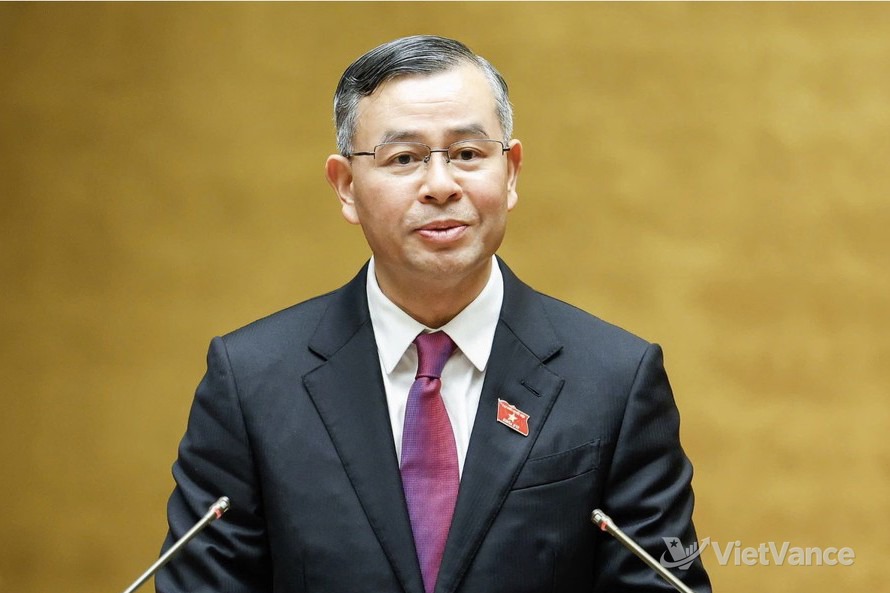
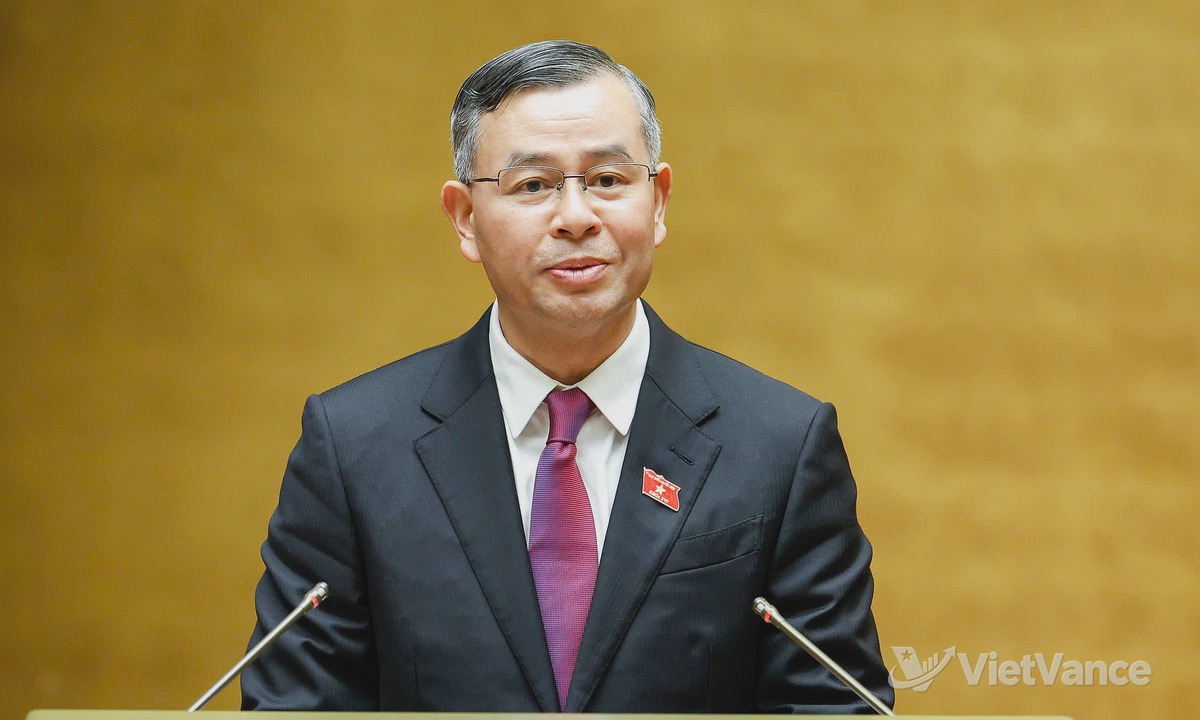
Vietnamese Minister of Justice Hoàng Thanh Tùng said, while explaining the revised draft, that eight ministries and ministerial-level agencies must submit written comments on policy documents within 15 days, according to their assigned responsibilities, and are accountable for the quality of those comments. The draft also establishes a mechanism for urgent changes, applicable only when a situation is genuinely urgent, the National Assembly cannot meet and the specified conditions are met. Government resolutions issued under this mechanism require the consent of the National Assembly Standing Committee.
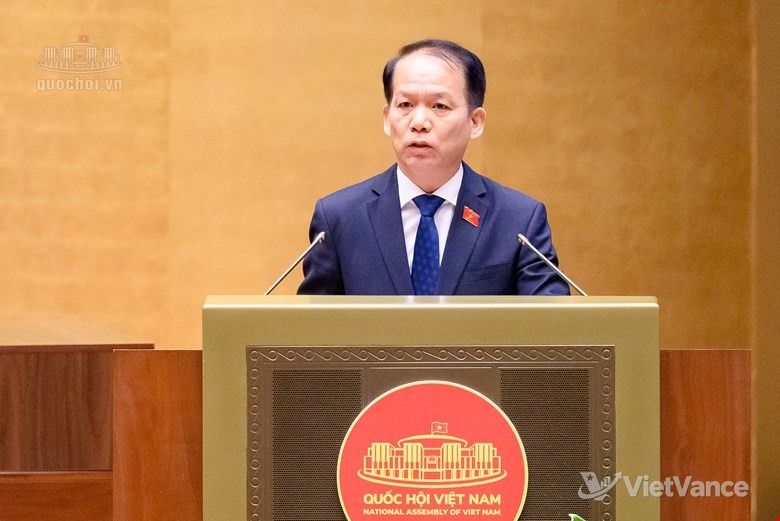
Vietnamese Minister of Justice Hoàng Thanh Tùng presents the report explaining how comments on the revised draft were considered and addressed.(VietVance)
The draft requires essential appraisal and review procedures to be retained for urgent changes. The resulting documents may remain in force for no more than one year and must be submitted for consideration at the National Assembly’s next session. If the National Assembly does not approve them, the documents making the changes automatically cease to have effect.
Source: VietVance