Vietnam Poultry Association Calls for Tax and Customs Reforms
The Vietnam Poultry Association has urged the Vietnam Chamber of Commerce and Industry to address tax and customs issues that it says raise livestock producers’ costs and tax risks, including unrecoverable input VAT on feed, taxes paid on imported materials, and inconsistent HS code classifications and certificate-of-origin checks.

Nguyễn Thanh Sơn, chairman of the Vietnam Poultry Association (VPA), has submitted a document to the Vietnam Chamber of Commerce and Industry proposing solutions to tax and customs issues facing livestock producers. The association says current rules are adding to costs and putting pressure on cash flow amid fluctuations in raw material prices, exchange rates and international shipping costs.
Under current rules, commercial animal feed is exempt from value-added tax (VAT), so domestic producers cannot deduct or obtain refunds for input VAT on electricity, water, packaging, equipment and other inputs. VPA says including this tax in costs raises the cost of domestically produced feed by about 3% to 5%. The livestock industry still relies on imports for 70% to 80% of certain raw materials, including soybean meal, corn and wheat, and paying tax immediately at import ties up companies’ capital. VPA proposes studying the restoration of a 30-day grace period for import taxes on relevant materials for companies with good compliance records that meet the requirements for authorized economic operators.
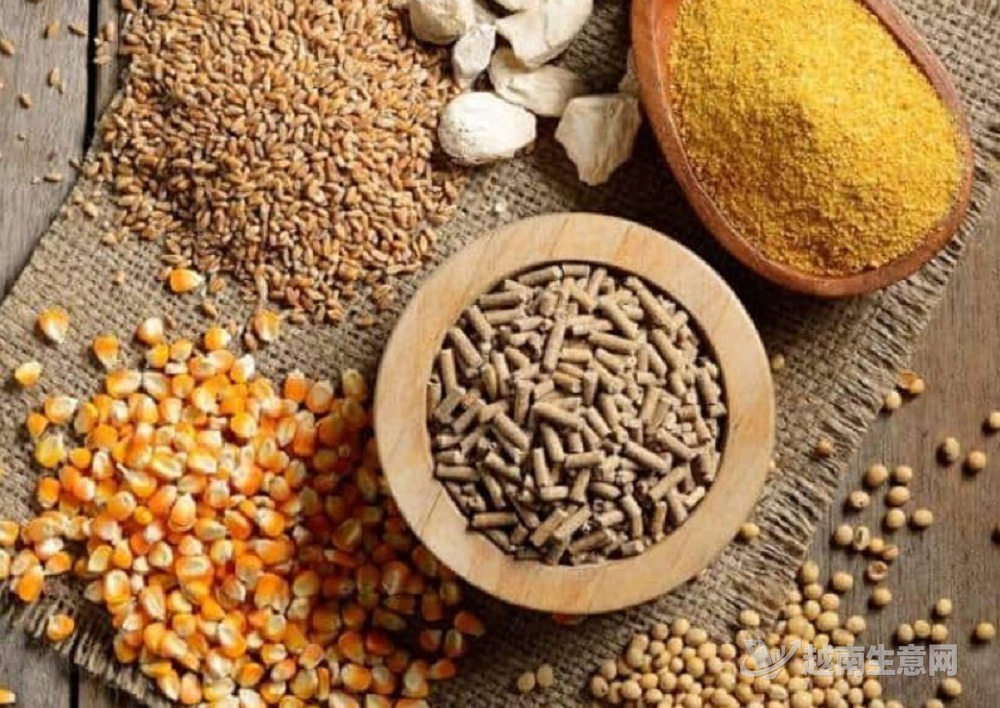
The livestock industry remains heavily dependent on imports for certain raw materials, including soybean meal, corn and wheat.(VietVance)
On corporate income tax, VPA calls for greater flexibility in accepting documents that substantiate losses caused by natural disasters and disease outbreaks. It also says inconsistent criteria for distinguishing primarily processed from processed products, and direct agricultural production from trade and services, may create risks for companies in applying VAT rules and corporate income tax incentives.
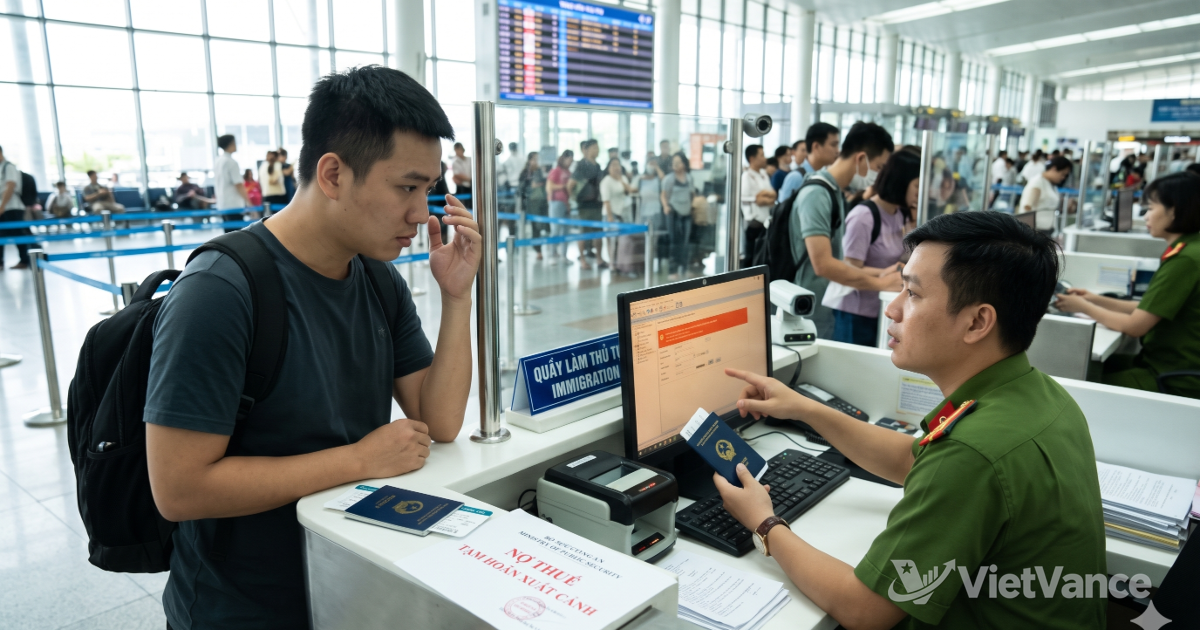
In customs procedures, classification remains disputed for feed ingredients and additives such as lysine, methionine, vitamins and probiotics. VPA says some goods are reclassified after clearance, potentially leaving companies liable for back taxes covering up to five years and administrative penalties. The association calls for stronger advance HS code rulings and consistent classification standards. Where companies have declared goods accurately and the goods have been inspected and cleared, it says any subsequent change in the authorities’ interpretation should, where possible, apply to future shipments.
VPA also says customs price consultations can take five to 10 days when imported raw material prices fluctuate, increasing the cost of tax guarantees and storage. Minor differences in spelling, punctuation or forms on certificates of origin can also lead to rejection, causing companies to lose special preferential tariff rates under free trade agreements. The association calls for improvements to tax and customs rules to reduce clearance costs.
Source: VietVance