Malaysian Expert Proposes Four Areas for Vietnam–Malaysia Robotics Cooperation
Malaysian expert Samirul Ariff Othman says ASEAN’s near-term robotics opportunities lie in specialized manufacturing, system integration and practical applications. He proposes Vietnam–Malaysia cooperation on joint research, product commercialization, training and testing facilities, with clear rights to technology and data.

Samirul Ariff Othman, an analyst at Malaysia-based Global Asia Consulting, told the Vietnam News Agency that ASEAN has better near-term opportunities to capture commercial value in robotics through specialized equipment manufacturing, system integration and practical applications. He said countries in the region understand the needs of factories and industrial customers, but are unlikely to replicate the technological and scale advantages of the United States and China across the entire value chain in the short term.
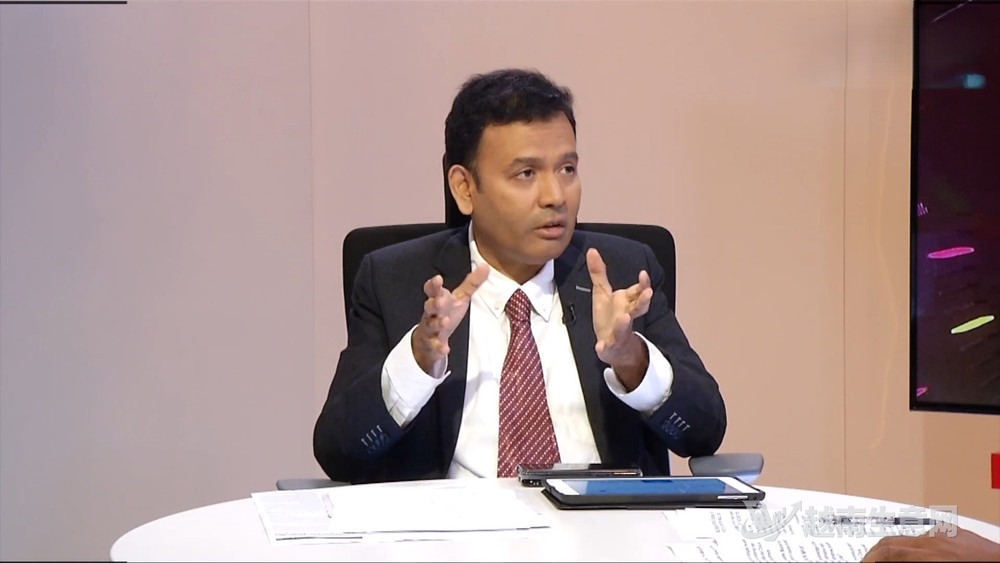
Global Asia Consulting analyst Samirul Ariff Othman.(VietVance)
In his view, Malaysia’s capabilities in semiconductors, automated testing and precision engineering complement Vietnam’s expanding electronics manufacturing base. Singapore focuses on advanced research and software, while Thailand has a more established automotive and industrial manufacturing sector. ASEAN companies can seek opportunities in precision components, chip design, sensor integration, and robot control and quality inspection software, while building their own intellectual property and customer relationships.
Samirul recommended that Vietnam and Malaysia develop capabilities across the robotics value chain together, rather than assign hardware and software development exclusively to one country each. He noted that VinRobotics and Infineon signed a memorandum of understanding in June 2026, indicating an intention to participate in advanced robotics. The document remains a statement of intent, however, and does not mean a commercial project has been completed.
His four proposals are to conduct company-led joint research and field trials; bring together businesses, universities and research institutes in both countries to develop and commercialize products; establish joint training programs, including engineer exchanges and internships; and connect existing testing facilities and industrial sites in the two countries. Trials could begin with applications such as electronic component inspection, warehouse transport, agricultural monitoring and medical logistics, with measurable performance targets.
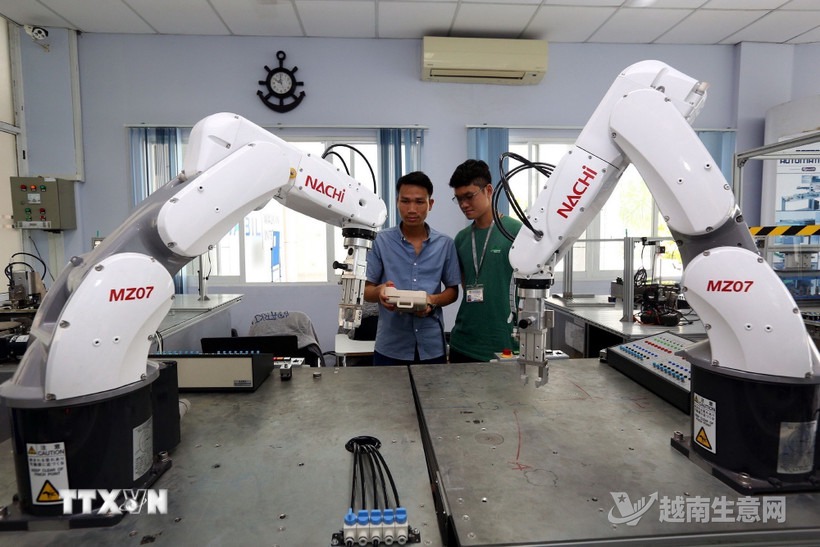
Trainees practice robot programming and operation at the Ho Chi Minh City Hi-Tech Park Training Center.(VietVance)
Samirul also recommended that cooperation agreements clearly define rights to existing technology, jointly developed improvements and operational data, while aligning rules on safety, cybersecurity and technical compatibility. He said testing products in both markets and assessing their commercial viability would help companies expand into the wider ASEAN market.
Source: VietVance