How Government Guarantees and Private Capital Could Finance Vietnam’s Nuclear Power Projects
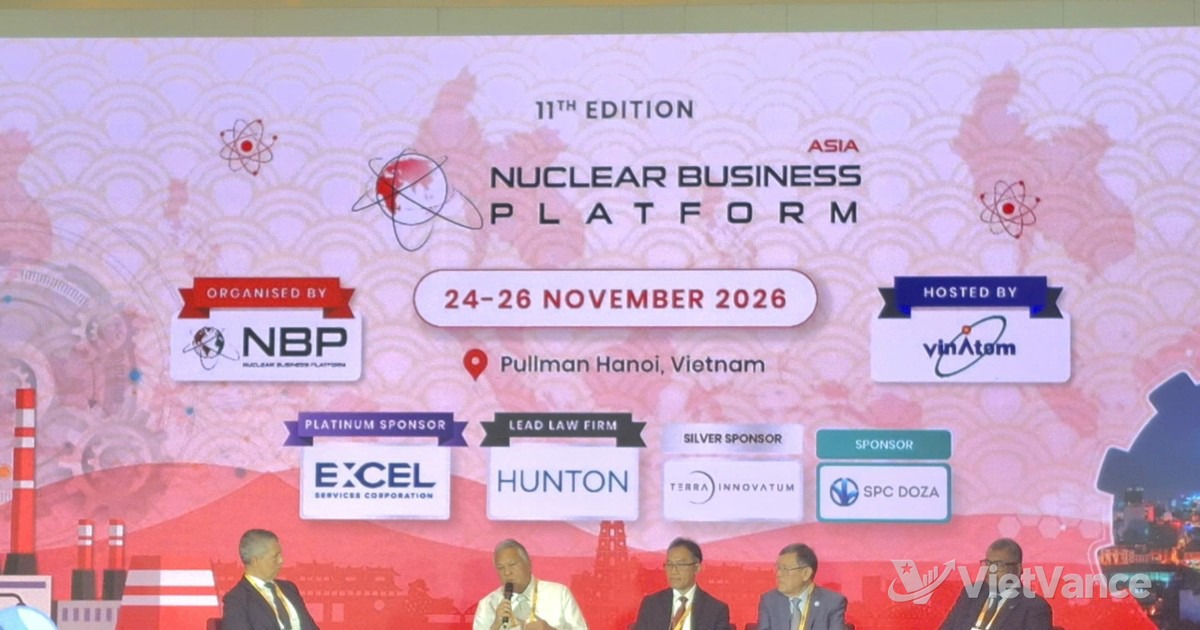
Vietnam’s nuclear power projects require substantial investment and have long construction and payback periods. At a nuclear business conference in Hanoi from November 24 to 26, experts discussed government guarantees, export credit and private capital, as well as how power purchase agreements, grid access and exchange rate risks affect financing.

Vietnam’s nuclear power projects need substantial long term funding, with financing arrangements that address risks throughout construction, operation and debt repayment. At the 11th Asian Nuclear Business Platform conference, held in Hanoi from November 24 to 26, experts discussed how government guarantees, export credit, commercial bank loans and private capital could jointly support projects. They stressed the need to define how risks would be shared among the parties early in project development.
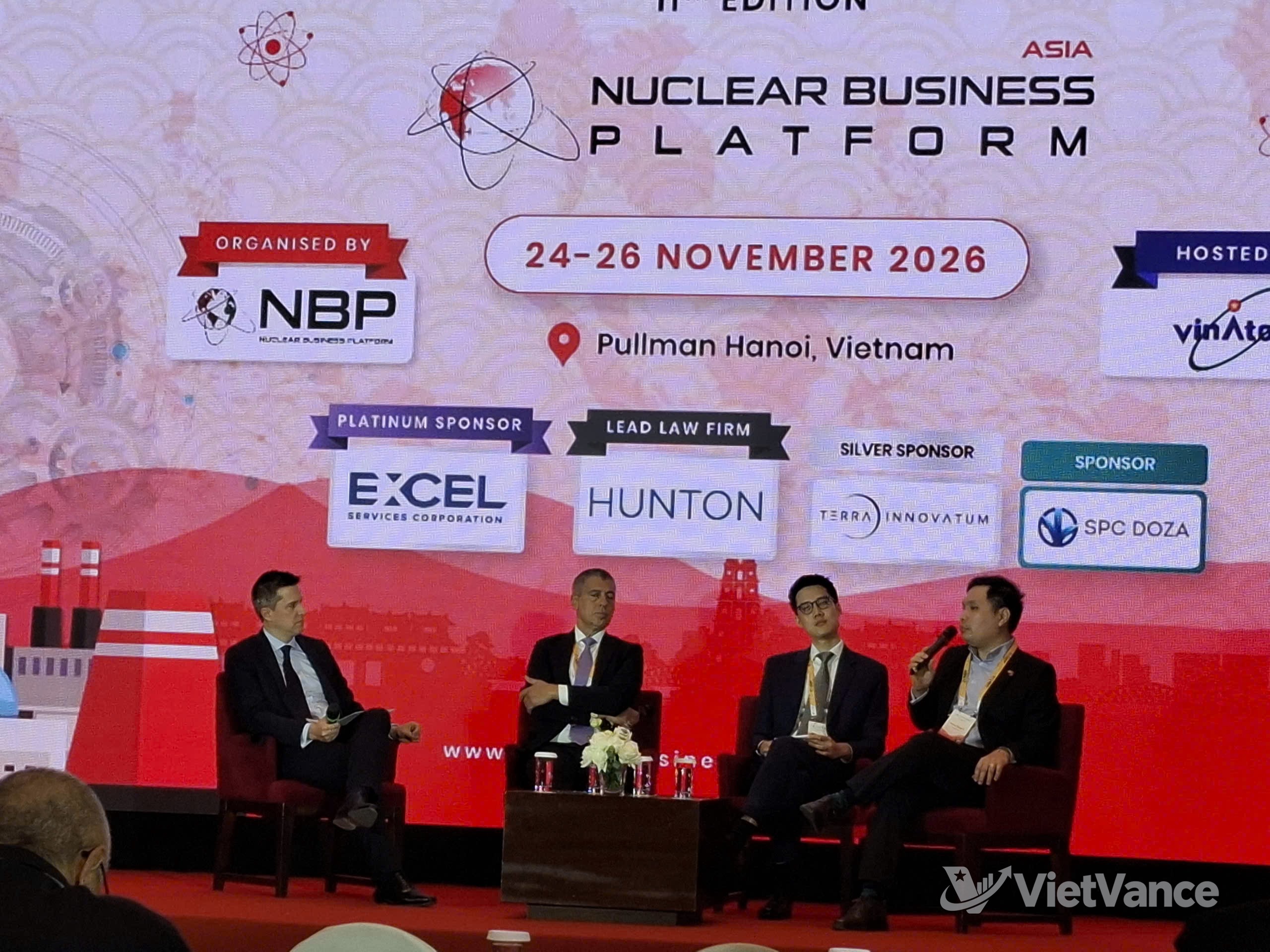
A nuclear business conference held in Hanoi from November 24 to 26, 2026, discussed financing structures for ASEAN’s first nuclear reactors.(VietVance)
A representative of a UK export credit agency said export credit could support projects through credit guarantees or direct loans. The arrangements would depend on project conditions and could be considered with or without government guarantees. Such financing is usually tied to equipment, services and supply chains associated with the country providing the credit, so the choice of technology and contractors affects access to funding. Experts said the first nuclear power projects would still struggle to rely entirely on commercial finance. Government support could reduce lending risks, but the entire financial burden should not fall on the public sector.
George Borovas, head of nuclear at law firm Hunton, said private capital could participate before a plant begins commercial operation. As equipment is delivered and construction progresses, some construction risks may decline, creating opportunities for investors with different risk appetites. Experts also said the initial investment required for small modular reactors might be more manageable, but their potential cost reductions and commercial viability still need to be demonstrated through deployment.
A project’s ability to secure financing also depends on long term power purchase agreements, the buyer’s ability to pay and the grid’s capacity to transmit the electricity. Experts said contracts should clearly set out electricity prices, purchase volumes, payments and risk sharing, while responsibility for investing in transmission infrastructure should be established during project preparation. International financing also requires exchange rate risks to be managed in light of equipment import costs, expected revenue and debt repayment arrangements. Small modular reactors likewise require financial, environmental and safety assessments.
Source: VietVance