Vietnam aims to meet 20% of pharmaceutical raw material demand domestically by 2030
Vietnam imports about 80% to 90% of its pharmaceutical raw materials. A government approved plan aims to meet about 20% of domestic drug production needs with locally produced materials and establish at least two research and development centers by 2030. Technology transfer, investment and market demand remain key challenges.

Domestically produced medicines account for about 60% of the medicines used in Vietnam by volume, but only 46% by value; about 80% to 90% of the raw materials needed to make medicines are imported. Information released by the Ministry of Health’s Drug Administration in August 2026 showed that the country had 245 pharmaceutical manufacturers, including 26 factories meeting EU Good Manufacturing Practice standards or equivalent standards.
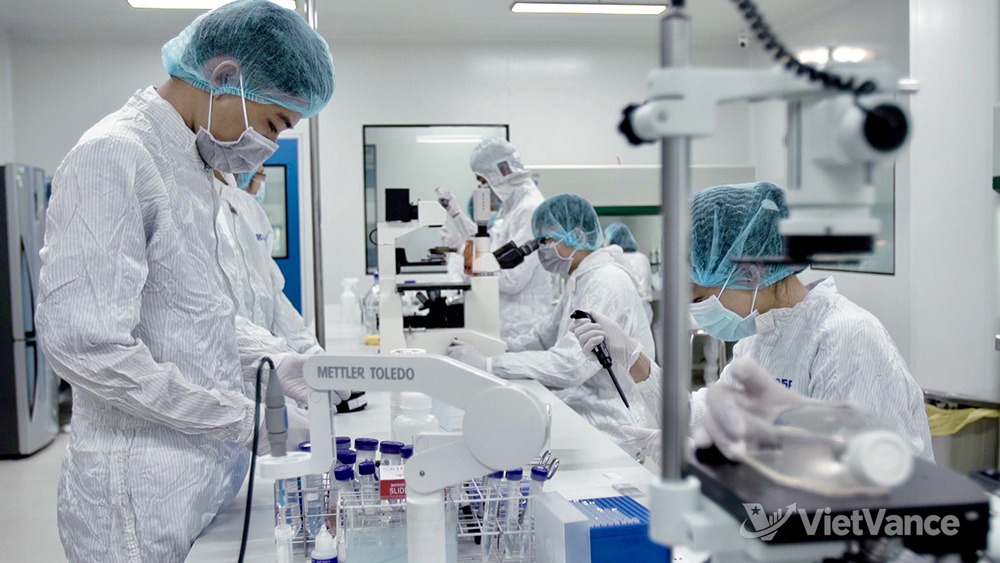
Vietnam aims to meet about 20% of the raw material needs of domestic drug production with locally produced materials by 2030.(VietVance)
In the first quarter of 2026, Vietnam imported about US$44.1 million worth of pharmaceutical raw and auxiliary materials, with China accounting for 60.5% and India for 23.1%. The value of imports fell 51.5% year on year, but the decline cannot be taken as direct evidence of a corresponding increase in domestic raw material production capacity. An analysis by the Ministry of Industry and Trade found that companies’ inventory reviews, adjustments to purchasing plans and issues with import procedures also affected the import value.
On October 8, 2026, Vietnam’s prime minister approved a plan to develop the pharmaceutical chemical industry. It aims to meet about 20% of the raw material needs of domestic drug production with locally produced materials by 2030 and establish at least two pharmaceutical chemistry research and development centers that meet international standards. The plan covers active pharmaceutical ingredients, starting materials, intermediates and excipients, among other stages. It also requires relevant domestic manufacturers to meet quality, Good Manufacturing Practice and chemical safety requirements.
The plan focuses on moving research results into pilot production, production at scale and technology transfer. It also encourages foreign investment projects with advanced technology and commitments to technology transfer and workforce training. The Ministry of Industry and Trade is responsible for tasks including technology refinement, pilot production, scaling up and commercialization. Raw material production requires specialized equipment and quality control and environmental facilities; the adoption of domestic materials will also depend on whether they meet drugmakers’ needs for quality, price and reliable supply.
Source: VietVance