Vietnam raises minimum deposit for residential land auctions to 20%
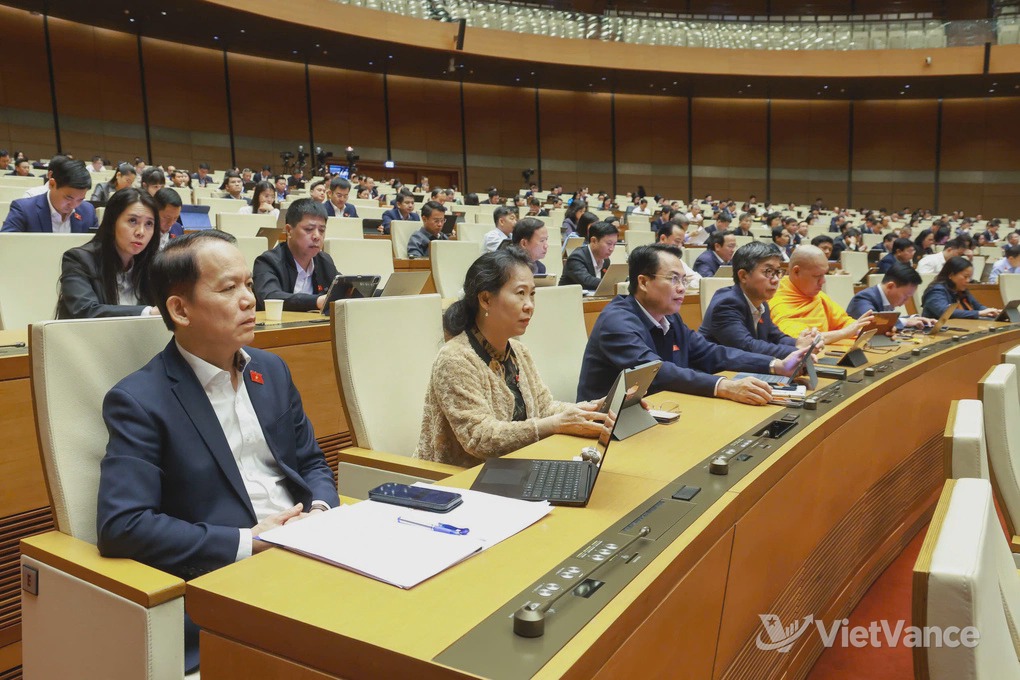
Vietnam’s National Assembly passed the amended Law on Asset Auctions on November 20. From July 1, 2027, deposits for residential land auctions will range from 20% to 50% of the starting price. The law also changes how winners are selected when no higher bids are made, expands auction bans and requires some assets to be auctioned through the national online system.

Vietnam’s National Assembly passed the amended Law on Asset Auctions on November 20, 2026. From July 1, 2027, the minimum deposit for residential land auctions will rise from the current 10% to 20% of the starting price, while the maximum will remain 50%. For a plot with a starting price of VND 1 billion, bidders will have to pay VND 200 million to VND 500 million in advance. Deposits for most other assets will remain at 5% to 20% of the starting price; for land allocated or leased by the state for investment projects, the range will be 10% to 20%.
An explanatory report submitted by the government on November 19 said data from 16 provinces and cities that regularly hold residential land auctions showed fewer winning bidders failing to pay after deposits were raised and measures to cancel auction results and restrict participation were introduced. In Thanh Hóa, after the deposit was set at 50% of the starting price, the number of plots whose auction results were canceled because winning bidders did not pay fell from 377 in 2025 to 82 in the first nine months of 2026. Over the same periods, the number of plots offered at auction rose from 1,129 to 3,889. In Quảng Trị, the corresponding number of canceled results fell from 35 to 11.
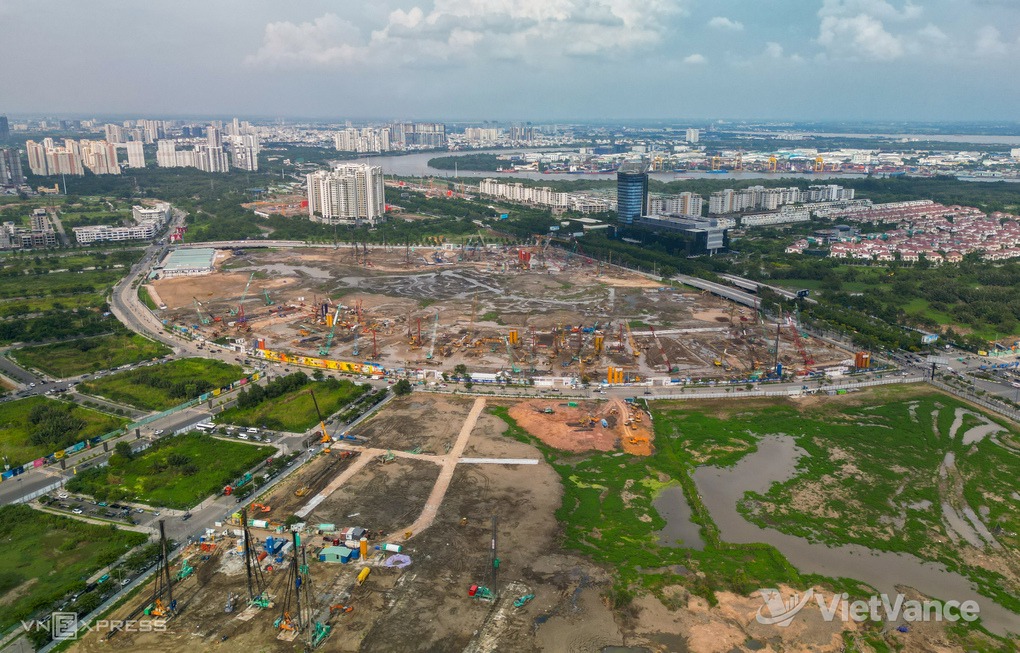
Real estate in the Thủ Thiêm area near the Saigon River, August 2026.(VietVance)
Under the new law, attending an auction is deemed acceptance of the starting price. If no one makes a higher valid bid, the auctioneer will draw lots to select a winner at the starting price. Anyone who refuses to enter the draw will forfeit their deposit; if all bidders refuse, the auction will fail. Those who have submitted their documents and deposits may withdraw their registration in writing before the auction begins. Their deposits will be refunded within three working days after the auction ends, but the application fee will not be refunded.
The new law adds two grounds to the existing auction ban for winners of land use rights or mineral extraction rights whose results are canceled because they fail to meet payment obligations: refusing to accept a winning result and refusing to sign the auction record. The ban remains six months to five years, during which those affected may not participate in auctions of the same type of asset nationwide. Those who refuse will also forfeit their deposits.
The new law also requires certain public assets, as well as state-allocated or state-leased land use rights for projects requiring investment policy approval or investment project approval, to be auctioned through the national online auction system. Online auctions are encouraged for other assets, including residential land for individuals. The government will separately set the scope of public assets covered by the online auction requirement and the applicable starting price threshold.
Source: VietVance