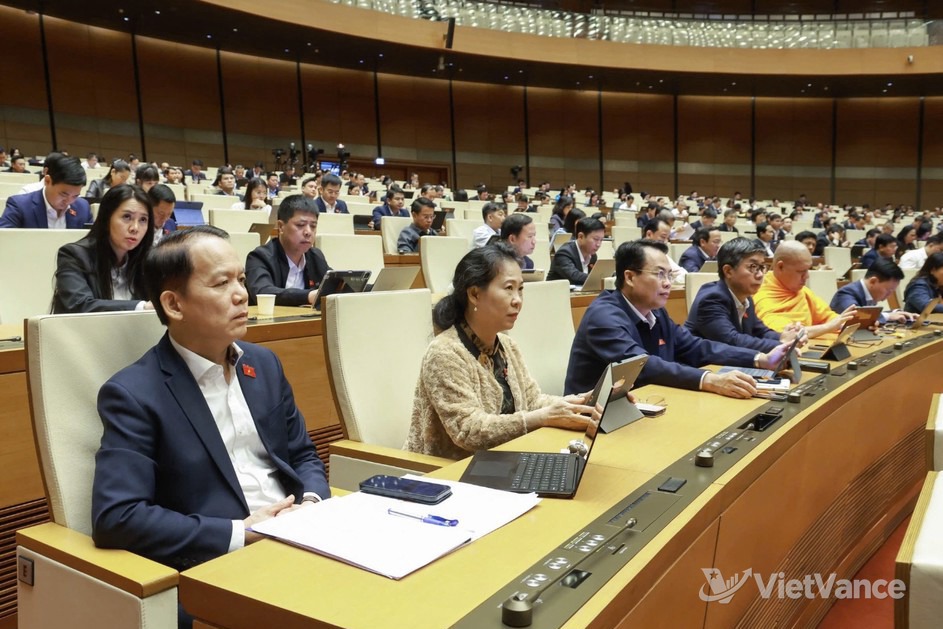
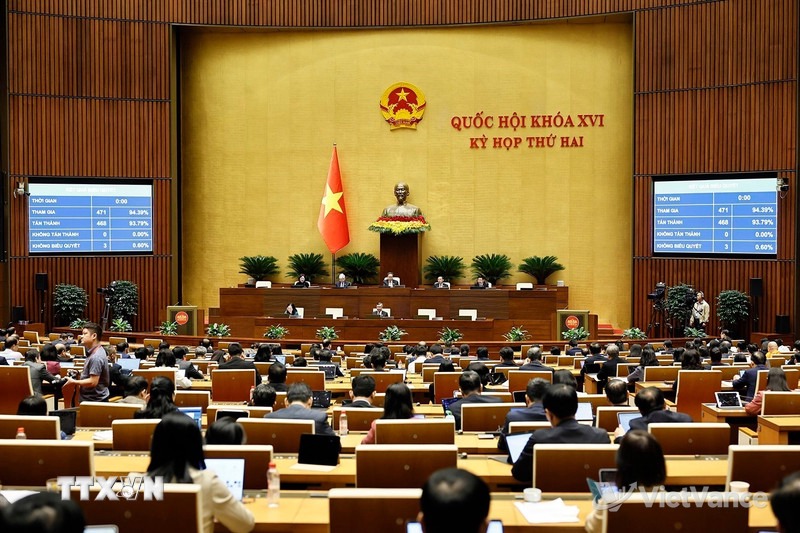
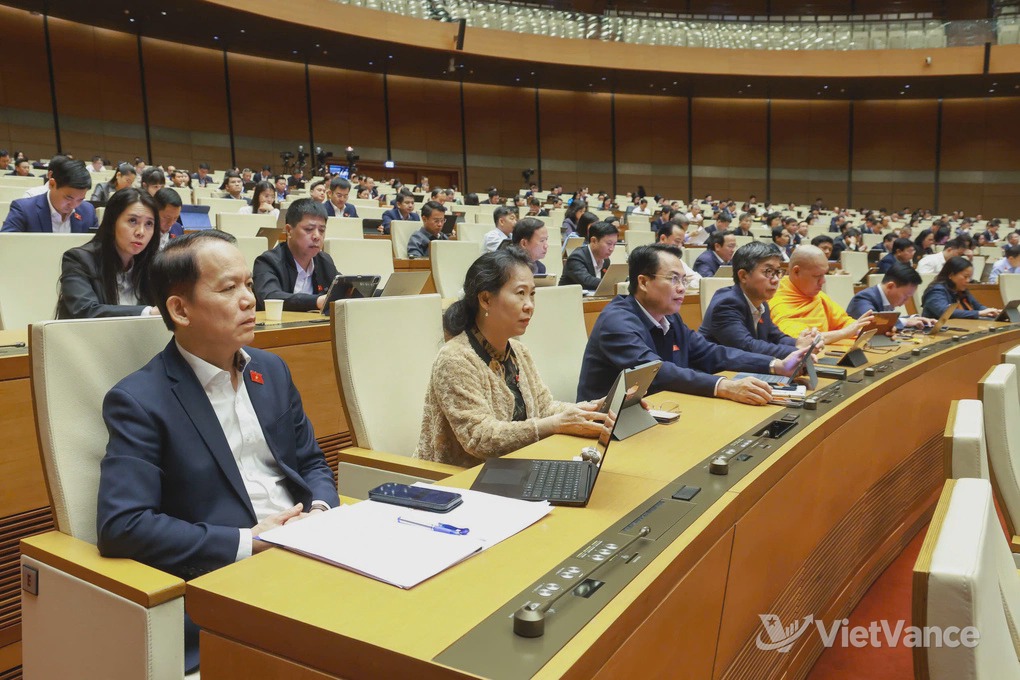
Vietnam’s National Assembly Reviews Draft Plan to Clear Business License Fee Arrears for Inactive Taxpayers
Vietnam’s National Assembly reviewed a draft resolution on business license fee arrears and late payment charges on November 20. As of October 23, 2026, more than 2.51 million taxpayers were registered as having ceased operations without completing tax code termination procedures or as no longer operating at their registered addresses. The draft would clear eligible debts and help taxpayers restore or terminate their tax codes. A reviewing committee proposed clarifying eligibility and obligations to retain and provide tax information.

On November 20, 2026, Vietnam’s National Assembly reviewed a draft resolution on business license fee arrears and late payment charges. Finance Ministry data show that, as of October 23 that year, there were 2,518,440 cases involving taxpayers who had ceased operations without completing tax code termination procedures or were no longer operating at their registered addresses. The ministry said the debts made it difficult for many former operators to restore or terminate their tax codes.
Finance Minister Ngô Văn Tuấn said the draft would address debts owed by taxpayers in either of those two categories as of November 21, 2026. It proposes writing off business license fee arrears incurred through the end of 2025 and the associated late payment charges, as well as outstanding late payment charges on business license fees as of November 21, 2026. Tax authorities would process the write-offs using data in their management system, without requiring taxpayers to submit separate applications.
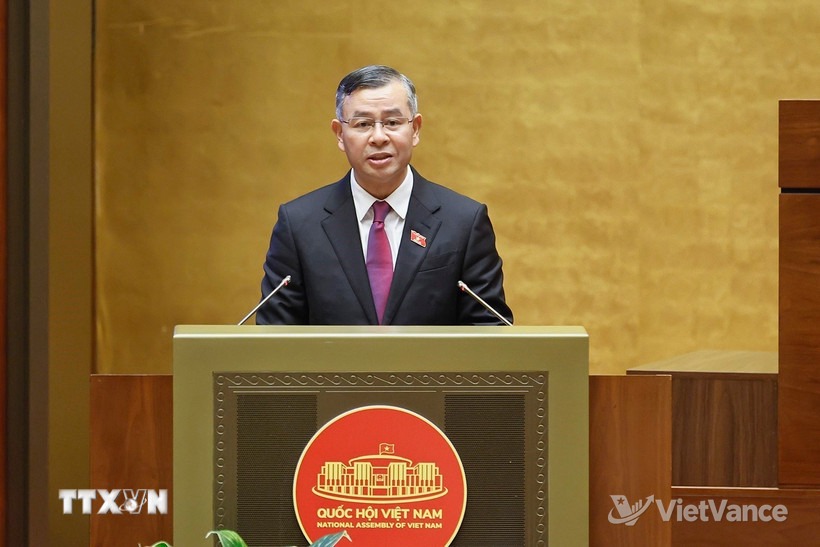
Vietnamese Finance Minister Ngô Văn Tuấn presents the draft resolution on business license fee arrears and late payment charges.(VietVance)
The draft excludes two groups: branches and other dependent units whose parent entities are still operating or have temporarily suspended business for a fixed period, and taxpayers who continued business operations or had tax obligations while in either of the registration categories described above. An exception applies to those who sold remaining assets or goods solely to close their businesses and paid the related taxes in full. The Finance Ministry said about 44,000 branches in those categories have parent entities that remain in operation.
For other late payment charges, the draft would require taxpayers to pay the principal amount owed in full and submit a valid application to restore or terminate their tax code that is accepted by the tax authority by June 30, 2028. The resolution is expected to take effect on November 21, 2026, with the policy applying through June 30, 2028. Cases that meet the conditions on time but remain unprocessed by the tax authority could still be handled after the deadline.
A review report by the National Assembly’s Economic and Financial Committee supports a time limited measure but notes that the Global Forum on Transparency and Exchange of Information for Tax Purposes did not directly recommend writing off tax debts. The committee recommended making clear that the policy is a one time measure, retaining taxpayers’ obligations to preserve and provide information, and considering a full write-off of late payment charges for those who pay the principal by November 20, 2027, and a 50% reduction for those who pay from then through June 30, 2028. These recommendations remain under consideration.
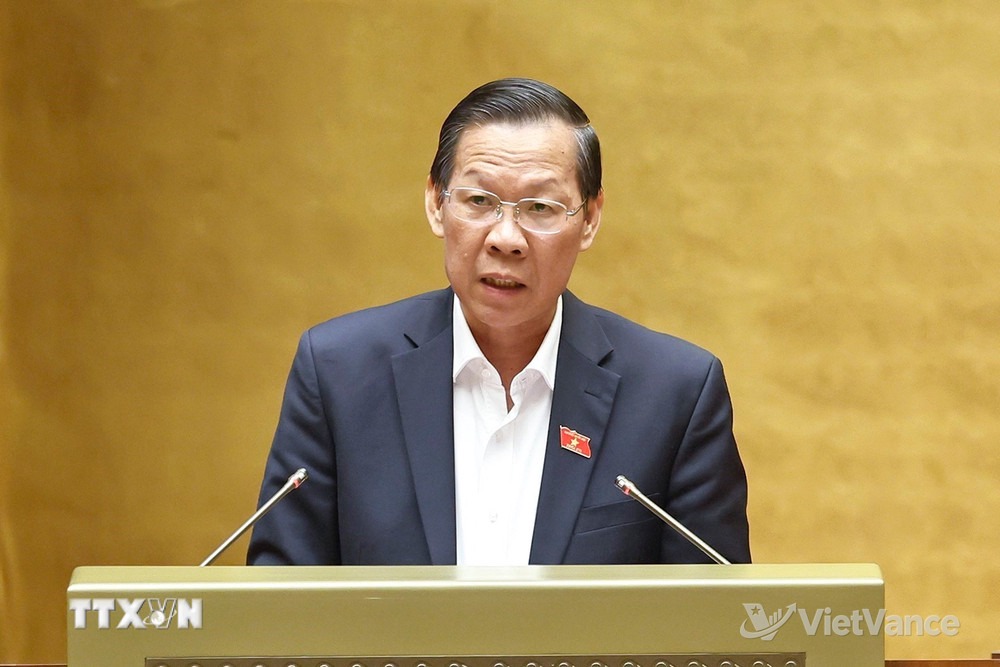
The head of the National Assembly’s Economic and Financial Committee presents its review report on the draft resolution.(VietVance)
Source: VietVance