Vietnam’s Two Refineries Exceed Design Capacity, Producing 12.1 Million Tonnes of Fuel in First Nine Months
Vietnam’s Ministry of Industry and Trade said on November 10 that the Dung Quất and Nghi Sơn refineries produced about 12.1 million tonnes of fuel in the first nine months of 2026, both operating above design capacity. Amid global oil price volatility and pressure on feedstock supplies, Vietnam increased imports, adjusted taxes and fees, and planned refinery and storage expansions.

Vietnam’s Ministry of Industry and Trade said at the annual National Energy Security Forum on the morning of November 10 that the Dung Quất and Nghi Sơn refineries produced a combined approximately 12.1 million tonnes of fuel in the first nine months of 2026. Dung Quất produced about 5.6 million tonnes, equivalent to 123% of its adjusted design capacity; Nghi Sơn produced about 6.5 million tonnes, equivalent to 112%.
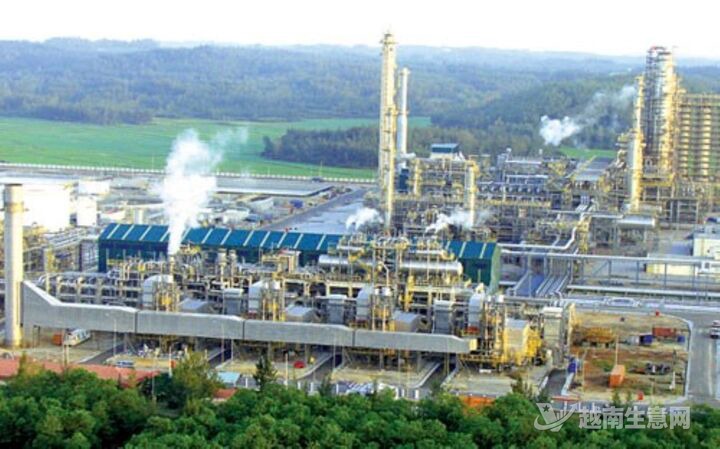
Dung Quất refinery. Both of Vietnam’s refineries operated above design capacity in the first nine months of this year.(VietVance)
Disruptions to shipping through the Strait of Hormuz since late February have increased pressure on crude oil and fuel supplies. To address the risk of feedstock disruptions, Dung Quất is preparing to purchase about 2.3 million additional barrels of crude oil; Nghi Sơn is expanding its supplier list, securing more intermediate feedstock and reducing petrochemical production to increase fuel output. The Ministry of Industry and Trade said feedstock supplies for the remaining months of the year are largely secured.
In 2026, Brent crude prices rose as high as US$118.35 per barrel. In Vietnam, diesel prices reached VND 44,788 per liter on April 3, while RON95-III gasoline reached VND 33,840 per liter on March 24. The report showed that, as of October 26, domestic retail gasoline prices were about 63% of the world average. Since the start of the year, Vietnam has allocated more than VND 64 trillion to reduce fuel taxes and fees and provide advances from the Price Stabilization Fund; preferential import tariffs on fuel and feedstock were cut to zero from March 9.
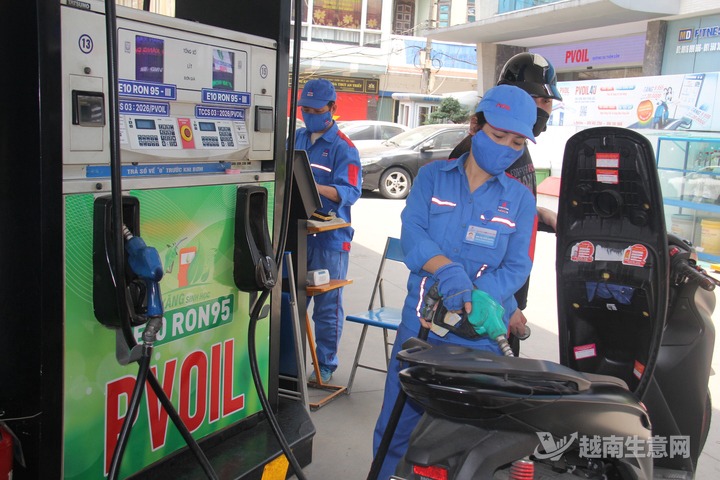
Vietnam’s Ministry of Industry and Trade said that, as of October 26, domestic retail gasoline prices were about 63% of the world average.(VietVance)
The Ministry of Industry and Trade said Vietnam needs more national and commercial storage facilities to strengthen its ability to respond to disruptions in international supply. Current fuel reserves are equivalent to about 60 days of net imports, while a resolution dated August 20, 2025, sets a target of about 90 days by 2030. The Dung Quất refinery is slated for expansion, raising its daily processing capacity from 148,000 to 171,000 barrels, with operations expected to begin in 2028.
Source: VietVance