Vietnam Advances Stock Market Reforms, Looks Ahead to Capital Inflows in 2027
Vietnam is pursuing stock market reforms following its market upgrade. The State Securities Commission plans to link securities offerings with centralized listings, expand financial products and attract long-term capital. Amendments to the Securities Law take effect on January 1, 2027, as market participants watch international capital flows and interest rates.

At the “Investment Strategy 2027: Seizing Opportunities” seminar on November 26, 2026, Lê Thị Thùy Nga, Vice Chairwoman of Vietnam’s State Securities Commission, said the stock market had gradually become an important source of financing for the Vietnamese economy. Following FTSE Russell’s upgrade of the Vietnamese market from frontier to emerging market status, the market also faces higher requirements for transparency, discipline and corporate governance.

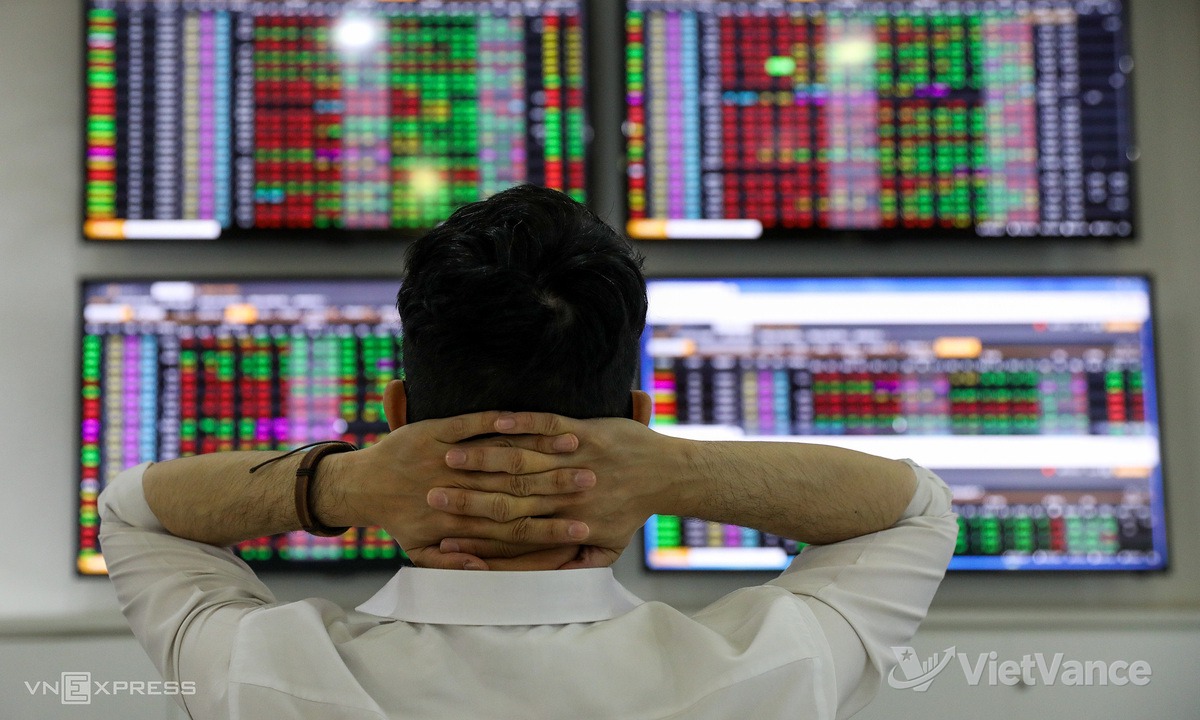
The “Investment Strategy 2027: Seizing Opportunities” seminar held on November 26, 2026.(VietVance)
Lê Thị Thùy Nga said regulators’ priorities include improving the quality of market growth, linking securities offerings with centralized listings, expanding the range of financial products and attracting long-term capital. Vietnam’s National Assembly passed amendments to certain provisions of the Securities Law on November 13, 2026; they will take effect on January 1, 2027. Regulators are drafting implementing rules and plan to introduce a central counterparty clearing mechanism in early 2027, while reviewing an expansion of foreign ownership limits and advancing the digital transformation of trading infrastructure.

FTSE Russell upgraded Vietnam’s stock market from frontier to emerging market status.(VietVance)
Nhâm Hà Hải, CEO of VPBankS, said international investment following the market upgrade and Vietnam’s economic growth targets offer opportunities for the market in 2027, although changes in global conditions remain a challenge. Trần Hoàng Sơn, the company’s Director of Market Strategy, expects global inflation and energy cost pressures may ease in 2027; if interest rates fall in the second half of the year, financing pressure on businesses may also ease. These assessments remain dependent on external conditions and changes in domestic demand for capital.
Trần Hoàng Sơn also noted that investment in artificial intelligence infrastructure, data centers and semiconductors could drive growth, but Vietnam must also address trade deficits and the tariff policies of major trading partners. He said current valuations in Vietnam’s stock market are attractive to long-term investors and expects the market upgrade and improved credit ratings to support a return of capital in 2027.
Source: VietVance