26 Vietnamese Provinces and Cities Have Approved Smart City Plans
Vietnam’s Urban Development Agency says 26 of the country’s 34 provinces and cities have approved smart city plans following administrative restructuring. Urban data remains fragmented and uneven in quality, while some smart operations centers are poorly connected to day-to-day workflows. The agency recommends a shared urban database that is regularly updated.

The Urban Development Agency under Vietnam’s Ministry of Construction says 26 of the 34 provinces and cities formed after administrative restructuring have approved smart city plans covering their entire province or city or priority urban areas. Hanoi, Ho Chi Minh City, Da Nang, Hai Phong, Hue and Can Tho have all issued such plans. Many localities have established smart monitoring and operations centers and introduced applications in areas including transport, water supply and environmental monitoring.
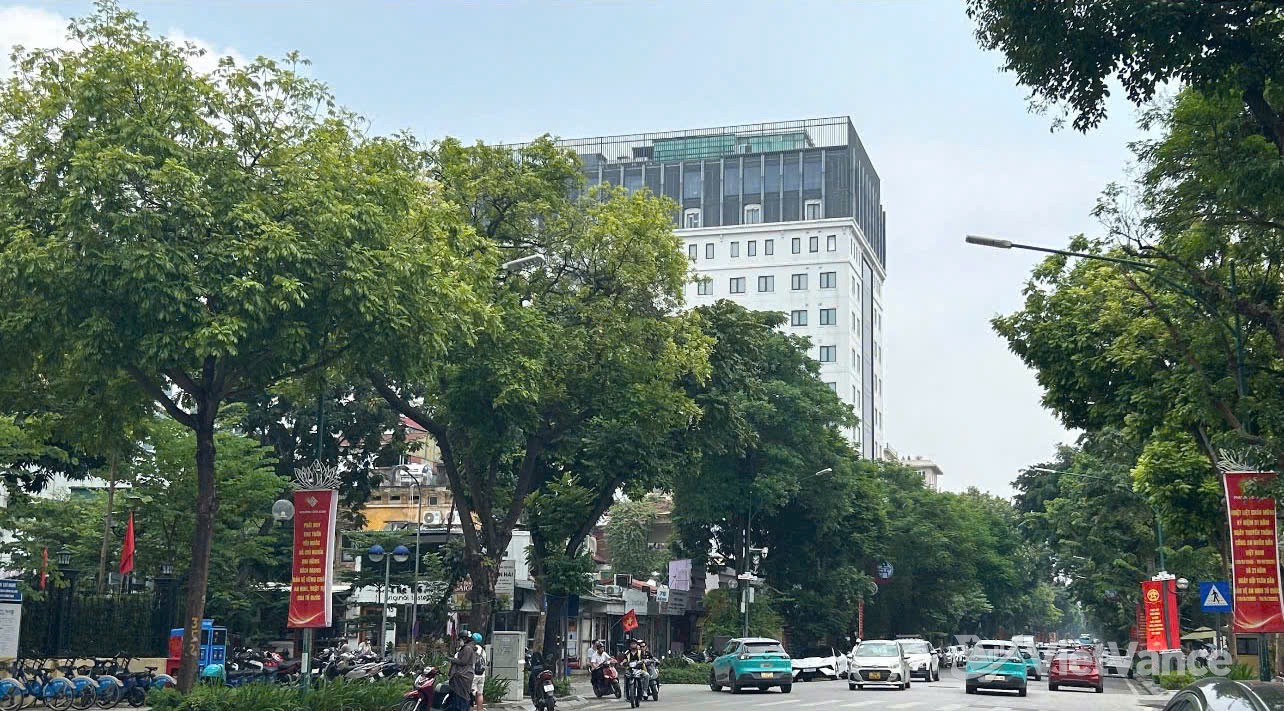
Illustration of urban development.(VietVance)
The agency says data on planning, land, population and infrastructure is managed by multiple entities, with insufficient standardization and regular updating. Some smart operations centers focus on compiling and displaying information but are not yet fully integrated with task handling, coordination across departments and verification of results. Capacity to use artificial intelligence, predictive analytics and digital twins also remains limited.
In 2018, Vietnam approved a sustainable smart city development plan for 2018–2025, with a vision to 2030. To address current problems, the Urban Development Agency recommends clarifying responsibilities for managing, updating, sharing and using data. It also calls for priority to be given to standardizing core data on geography, land, population, planning and infrastructure, and to establishing a shared urban database that can connect with specialized databases.
The agency also recommends integrating existing smart operations systems, linking monitoring with task handling and feedback, and assessing results through measurable outcomes such as travel time, flood mitigation, energy consumption and residents’ satisfaction. Kiều Việt Cường, a representative of UN-Habitat Vietnam, says that once a shared data platform is in place, authorities must also determine how to use the data to identify needs, set investment priorities and evaluate results.
Source: VietVance