Vietnam’s New SME Law Introduces Support Vouchers and Bars Extra Administrative Procedures
Vietnam’s National Assembly has passed the 2026 Law on Development of Small and Medium-sized Enterprises, introducing vouchers for eligible goods and services. Support agencies must handle payment and settlement without imposing additional administrative procedures on beneficiary businesses. The law takes effect on July 1, 2027, while its SME eligibility criteria for tax policies apply from the 2027 tax year.

Vietnam’s National Assembly passed the 2026 Law on Development of Small and Medium-sized Enterprises at its second session of the 16th legislature in Hanoi. The law has 32 articles and will take effect on July 1, 2027. Its criteria for identifying SMEs eligible for tax policies will apply from the 2027 tax year, beginning January 1, 2027.
The new law lists support vouchers as one form of state budget assistance for SMEs. Issued electronically or on paper by the competent state authority, the vouchers allow businesses to choose goods, services or solutions within the specified scope, time limit and support amount, and to pay providers with the vouchers. Vouchers may not be transferred, bought, sold or used outside the specified scope. Support payments are settled based on the goods, services and other deliverables provided.

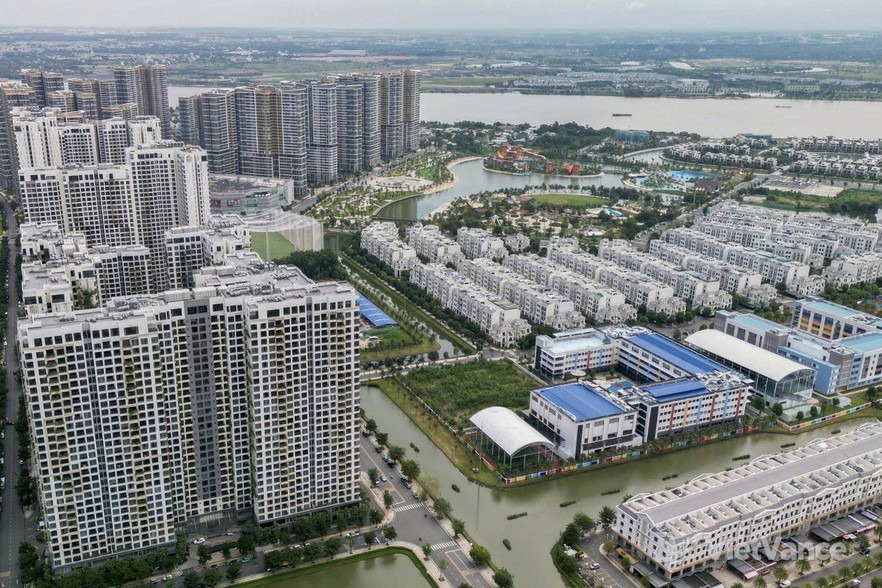
Vietnam’s new law introduces support vouchers for SMEs. File photo.(VietVance)
The law requires agencies responsible for supporting SMEs to handle payment and settlement procedures with the competent authorities, without creating additional administrative procedures for beneficiary businesses. Violators may face administrative penalties or criminal prosecution, depending on the nature, severity and consequences of the violation. Those who cause losses must pay compensation in accordance with the law.
The new law also revises the criteria for identifying SMEs: they must have had an average of no more than 300 employees in the preceding year and either total capital of no more than VND 150 billion or total revenue of no more than VND 400 billion. Businesses with annual revenue of no more than VND 10 billion may choose a tax calculation method. The law also provides corporate income tax incentives and a policy reducing subleased land costs by at least 30% for the first five years after a business signs a land lease with an infrastructure investor in an industrial park or industrial cluster.
Source: VietVance