Vietnamese SMEs Face Technical and Financing Barriers to Joining Core Supply Chains
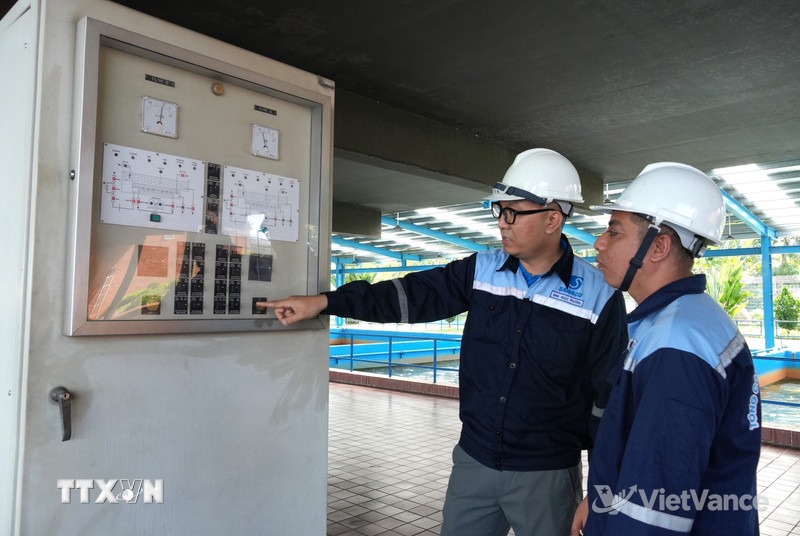
Vietnamese SMEs face barriers in production coordination, data management and technical capabilities as they seek to join multinationals’ core supply chains. Industry representatives recommend industrial clusters, enterprise resource planning systems, and long-term financing and technical training for precision manufacturing.

Vietnamese SMEs in electronics and mechanical manufacturing supply chains remain concentrated mainly in packaging, printing, standard plastic parts and assembly. To move into precision components, high-tech molds and similar products, they need to invest in equipment and engineering teams while improving production management.
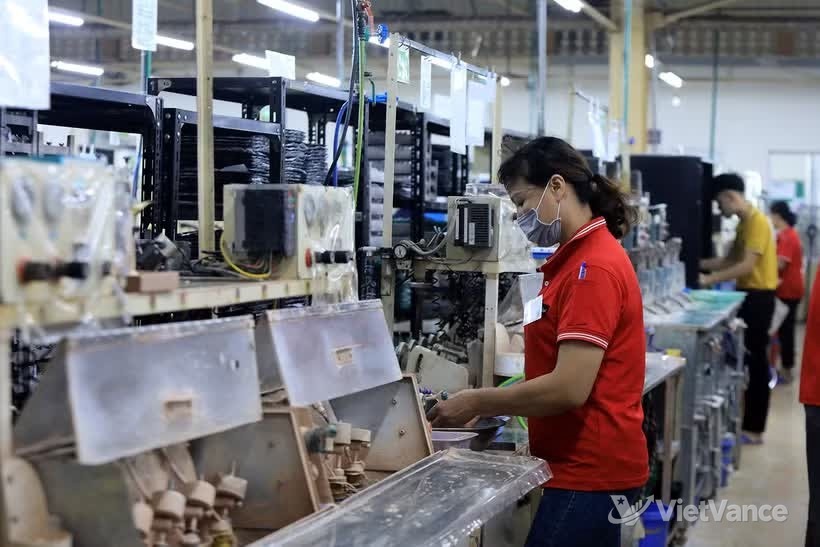
Illustration of Vietnamese SMEs’ participation in industrial supply chains.(VietVance)
Phan Đăng Tuất, chairman of the Vietnam Association of Supporting Industries (VASI), said Vietnamese businesses are generally small, and operating separately makes it difficult for them to meet multinational companies’ requirements for volume and consistency. Industrial clusters led by major companies and bringing together supporting-industry businesses, logistics providers and testing organizations can help firms reduce coordination costs and share facilities such as testing centers.
In factory management, enterprise resource planning (ERP) systems can connect data across raw-material intake, production and dispatch, helping businesses track material consumption, defect rates and production progress. Nguyễn Vân, vice chairman of the Hanoi Supporting Industries Business Association (HANSIBA), said foreign-invested companies have demanding requirements for data transparency and production management, making digital transformation and standardized processes necessary for Vietnamese suppliers.
The shift to precision manufacturing also brings financial pressure. Trương Thị Chí Bình, vice chairwoman and secretary-general of VASI, said investments in precision engineering and molds typically take 5 to 7 years to recoup, while SMEs mainly have access to short-term loans at commercial interest rates. She said preferential medium- and long-term credit, technical workforce training and links between supply and demand could help businesses take on orders with higher technical requirements.
Source: VietVance