Vietnamese Stocks Diverge as Fund Managers Urge Prudent Allocation
By the end of the third quarter of 2026, more than 21% of stocks across Vietnam’s three trading markets had fallen below their March 2020 lows, while the VN-Index hovered around 1,700 points. Fund managers say low valuations alone do not guarantee a rebound and urge investors to assess company prospects and manage exposure.

Vietnam’s stock market is seeing corporate earnings growth alongside falling prices for some shares. By the end of the third quarter of 2026, more than 21% of stocks across its three trading markets had fallen below their March 2020 lows, while the VN-Index still hovered around 1,700 points. Vietnam’s gross domestic product grew 9.01% in the first nine months of 2026, and disbursed foreign direct investment was estimated at US$21.07 billion. FTSE Russell officially upgraded Vietnam’s market classification on September 21, but these factors have yet to reverse the divergence in the stock market.
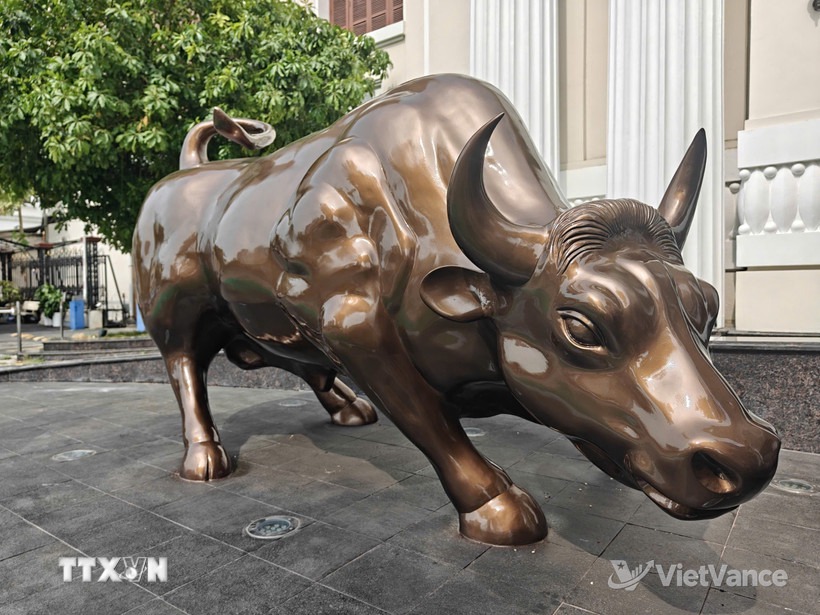
Vietnam’s stock market mascot symbolizes market growth and confidence in sustainable development.(VietVance)
Externally, the yield on 10-year US Treasury bonds exceeded 5.2%, putting pressure on global capital flows. Interest rates also remained high in Vietnam, leaving stocks competing with other investment channels. Fmarket data show that, as of the end of October 2026, 21 of the 34 equity funds on its platform held portfolios with price-to-earnings ratios below the VN-Index’s 12.1, including 10 with ratios ranging from 5.92 to 8.96.
Thái Quang Trung, investment director at VinaCapital, said stock selection should look beyond whether a share is cheap to consider growth prospects, competitive advantages and potential drivers of its price, such as management changes and the launch of new projects. Fmarket data as of October 31, 2026, show that the 10 best-performing open-ended equity funds over the preceding three years returned between 45.38% and 64.31%.
Nguyễn Lê Ngọc Khoa, investment director at Công ty Quản lý Quỹ KIM Việt Nam, said investors could retain some exposure to stocks to avoid missing a potential early rebound. Even if interest rates peak, however, that does not mean they will fall immediately. With liquidity low and market movements hard to predict, investors should allocate capital according to their risk tolerance and use leverage cautiously. Regular investing can reduce the pressure to time purchases, but it cannot eliminate the risk of further market declines.
Source: VietVance