Proposed U.S. Tariffs Hit Vietnamese Stocks; VN-Index Falls 1.54% by Midday
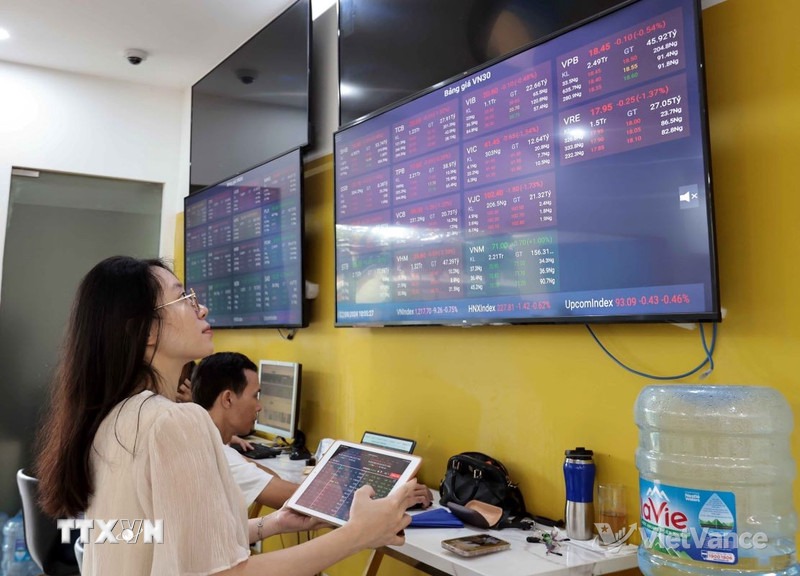
The U.S. Trade Representative proposed an additional tariff of up to 35% on goods imported from Vietnam in a preliminary Section 301 finding. Vietnamese stocks fell broadly on the morning of November 26, with the VN-Index down 1.54% by midday. Trading value on the Ho Chi Minh Stock Exchange reached a 13-session high. The proposed tariff has not taken effect.

On the evening of November 25, the Office of the United States Trade Representative released preliminary findings in its Section 301 investigation into overcapacity, covering 14 of the 16 economies under investigation. The findings propose an additional tariff of up to 35% on goods imported from Vietnam; the rate could fall to 20% if Vietnam and the United States reach a reciprocal, fair and balanced trade agreement. The proposed tariff rates have neither taken effect nor been formally implemented. Public hearings are expected to begin on January 25, 2027, and a final decision is expected no earlier than February 2027 and no later than March 11, 2027.
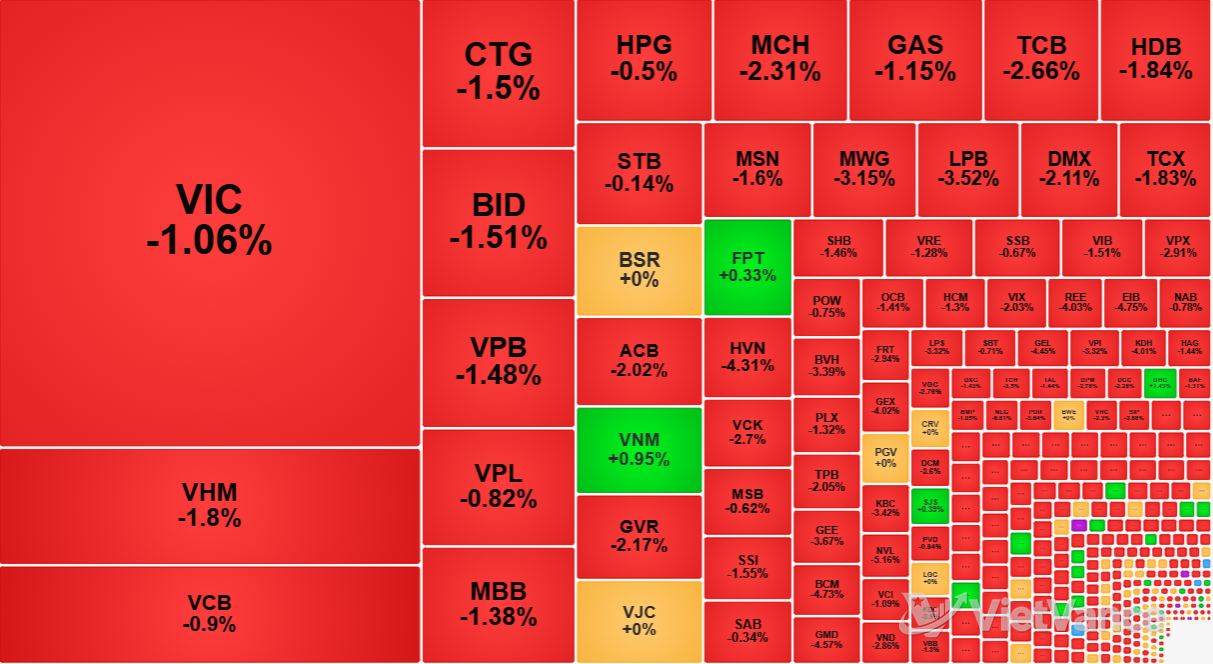
The performance of large-cap stocks will determine whether the VN-Index can hold above its late-July low.(VietVance)
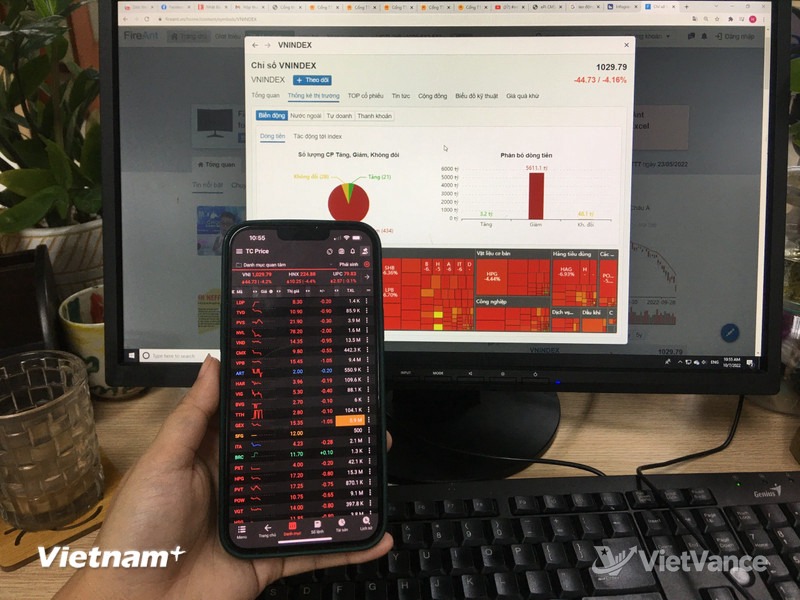
Following the announcement, Vietnamese stocks came under pressure on the morning of November 26. The VN-Index opened down 16.7 points, or 0.99%; by midday, it had fallen 26.04 points, or 1.54%, to 1,661.41, approaching its late-July low of 1,651.2.
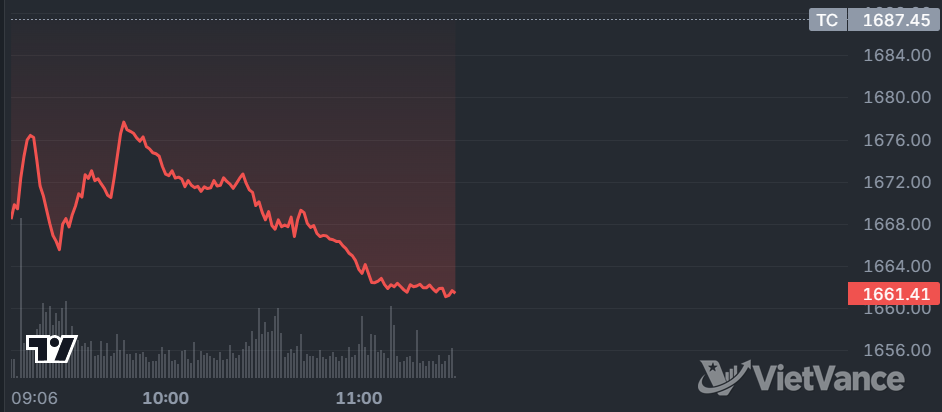
VN-Index movements on the morning of November 26.(VietVance)
The decline came with a surge in trading. By 9:30 a.m., trading value on the Ho Chi Minh Stock Exchange was 2.5 times the level at the same point in the previous session. Morning matched-order trading value on the exchange reached VND 6.1366 trillion, up 88.4% from the previous morning and the highest in 13 trading sessions.
Decliners far outnumbered advancers: among VN-Index constituents, 38 stocks rose and 288 fell, including 157 that dropped more than 2%. The VN30 Index was down 1.27% at midday, with only two constituents rising and 26 falling. Although buying at low prices lifted some stocks from their intraday lows, about 59% of traded stocks remained at their lowest prices or had sell orders just above those lows.
Source: VietVance