Vietnam’s TKV Found to Have Exceeded Coal Mining Limits and Miscalculated Taxes
Vietnam’s Government Inspectorate found that four of six TKV companies inspected exceeded annual permitted coal output from 2020 to 2024. It also identified issues with resource tax calculations and land costs, and recommended a review of responsibility.

Vietnam’s Government Inspectorate has published its findings on the management of state capital and assets at TKV. From 2020 to 2024, four of the six companies inspected exceeded their permitted annual coal output by less than 15%, in violation of the Mineral Law. Some companies also failed to install weighbridges as required.
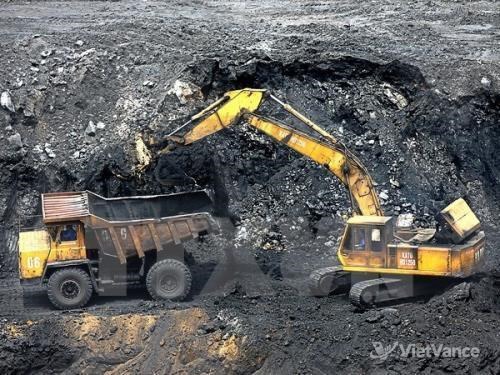
TKV’s production activities.(VietVance)
Inspectors found that resource tax had been undercalculated. Comparing the taxable coal output that mining companies sold to coal screening and processing companies from 2020 to 2024 with output after screening, inspectors identified a difference of more than 4.95 million tonnes. They found that TKV’s determination of the taxpayer, taxable output and taxable price did not comply with Ministry of Finance regulations.
For resource tax on iron concentrate, TKV’s Minerals Corporation filed declarations that did not comply with regulations in 2020 and 2021 and still owes more than 3.9 billion Vietnamese dong. Inspectors also found that, when calculating taxable income for 2020 to 2022, TKV’s parent company included nearly 11 billion Vietnamese dong in land-use fees for two plots in Ho Chi Minh City and Quang Ninh province as deductible costs. They ordered the company to exclude those costs. Some land plots held by five other companies have yet to complete the required land procedures.
The inspection findings state that TKV’s improper application of rules on mineral extraction rights fees and corporate income tax increased deductible costs used to calculate corporate income tax at the six companies inspected by more than 463 billion Vietnamese dong over 2020 to 2026. Inspectors recommended that relevant authorities examine the responsibilities of the organizations and individuals involved in each period and take action in accordance with the law.
Source: VietVance