Vietnam proposes delaying road vehicle recycling obligations until 2030
Draft amendments to Vietnam’s environmental protection law and a related decree would delay road vehicle recycling obligations from 2027 to 2030 and remove payments to the Environmental Protection Fund as a way for businesses to meet those obligations. The proposals also revise recycling options, requirements for intermediary organizations and exemptions for businesses. The amendments are awaiting legislative review.

Trần Thị Thu Hiền, a representative of the Environment Department under Vietnam’s Ministry of Agriculture and Environment, said at a forum on extended producer responsibility on November 18 that a draft decree accompanying amendments to the environmental protection law proposes delaying the start of road vehicle recycling obligations from January 1, 2027, to January 1, 2030. The delay would give businesses time to build collection systems and supporting facilities and strengthen their capacity to meet the obligations.

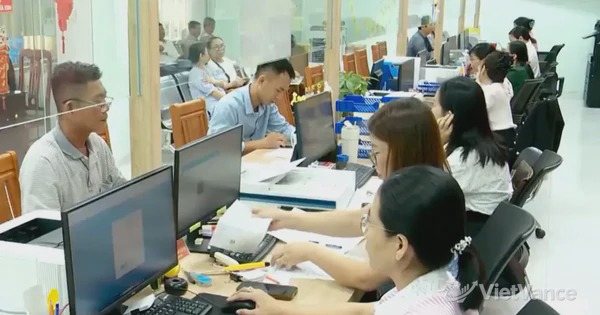
Trần Thị Thu Hiền speaks at the forum.(VietVance)
Vietnam has nearly 7.5 million registered cars and more than 79 million motorcycles. More than 590,000 cars and 2.6 million motorcycles were newly registered in 2025. According to the Vietnam Register, 10,016 cars nationwide reached the end of their permitted service life that year, including 9,925 trucks and 91 passenger vehicles. Ho Chi Minh City had 2,151 such vehicles and Hanoi had 1,558.
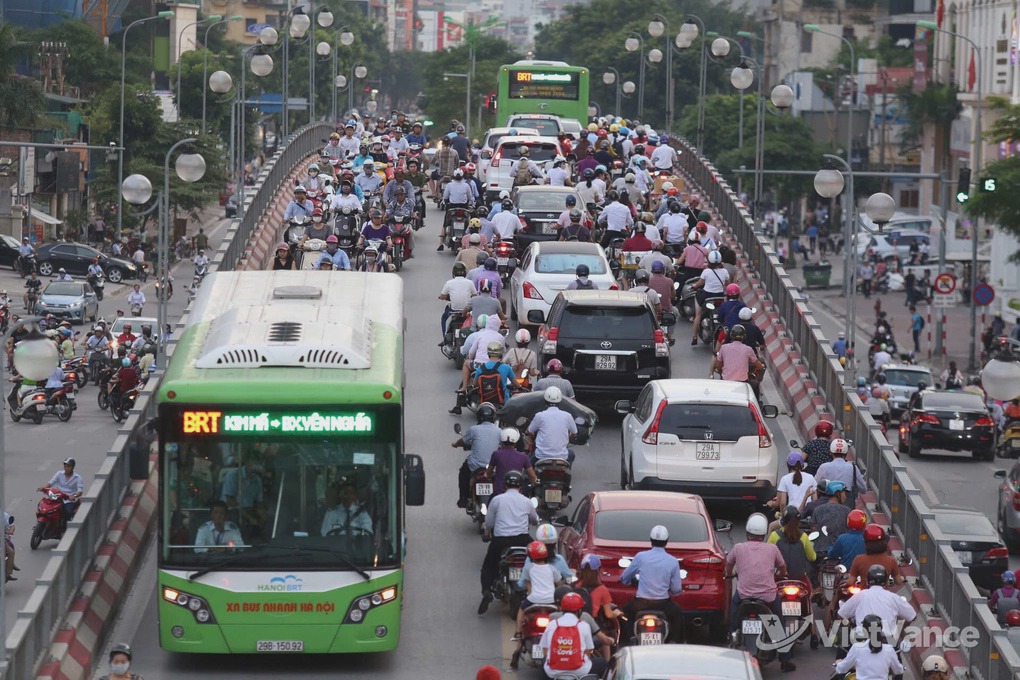
Vehicles on a street in Hanoi.(VietVance)
Current law allows manufacturers and importers to arrange recycling themselves, contract a recycling company or pay into the Vietnam Environmental Protection Fund. The draft amendments would remove the payment option and require businesses to arrange the collection and recycling of products and packaging themselves or through qualified organizations. The draft would also allow businesses to authorize intermediary organizations, export products and packaging to other countries for recycling, or combine these methods. From 2033, the proposed options would be limited to collecting products themselves, transferring them to recyclers or authorizing intermediary organizations.
The draft accompanying decree would set requirements for intermediary organizations’ capacity to organize collection, finances, data management and separate accounting. It would require recyclers to hold environmental permits, establish electronic databases for traceability and report recycling results before April 1 each year. The draft would also allow relevant businesses and organizations to jointly establish collection points that accept products regardless of brand, and to carry forward some unfulfilled recycling volumes to subsequent years.
The draft amendments would exempt businesses with annual revenue of less than 30 billion Vietnamese dong from products subject to recycling obligations. They would also set a schedule for mandatory recycling rates in 2029–2031 and 2032–2034, with proposed increases of no more than 10% every three years. The amendments to the environmental protection law are expected to be considered and passed before the end of the second session of Vietnam’s 16th National Assembly, which is expected to close on November 20.
Source: VietVance