Vietnam’s Wealthy Families Adjust Asset Allocations, Focus on Liquidity
At an investment forum on November 12, 2026, investment and securities professionals discussed how wealthy Vietnamese families allocate their assets. Real estate remains a major holding, while changing interest rates have sharpened their focus on portfolio liquidity. Speakers identified fixed income assets, rental property, stocks and private company equity as investment options.

At an investment forum on November 12, 2026, investment and securities professionals discussing the direction of Vietnamese family wealth said wealthy families were placing greater emphasis on the liquidity of their overall portfolios. Investment manager Duc Tran cited a survey indicating that about 87% of Vietnamese families’ assets are held in real estate. A 2024 Knight Frank report, meanwhile, found that Vietnam had about 5,500 individuals with total assets exceeding US$10 million, ranking sixth in Southeast Asia. The two figures cover different groups.
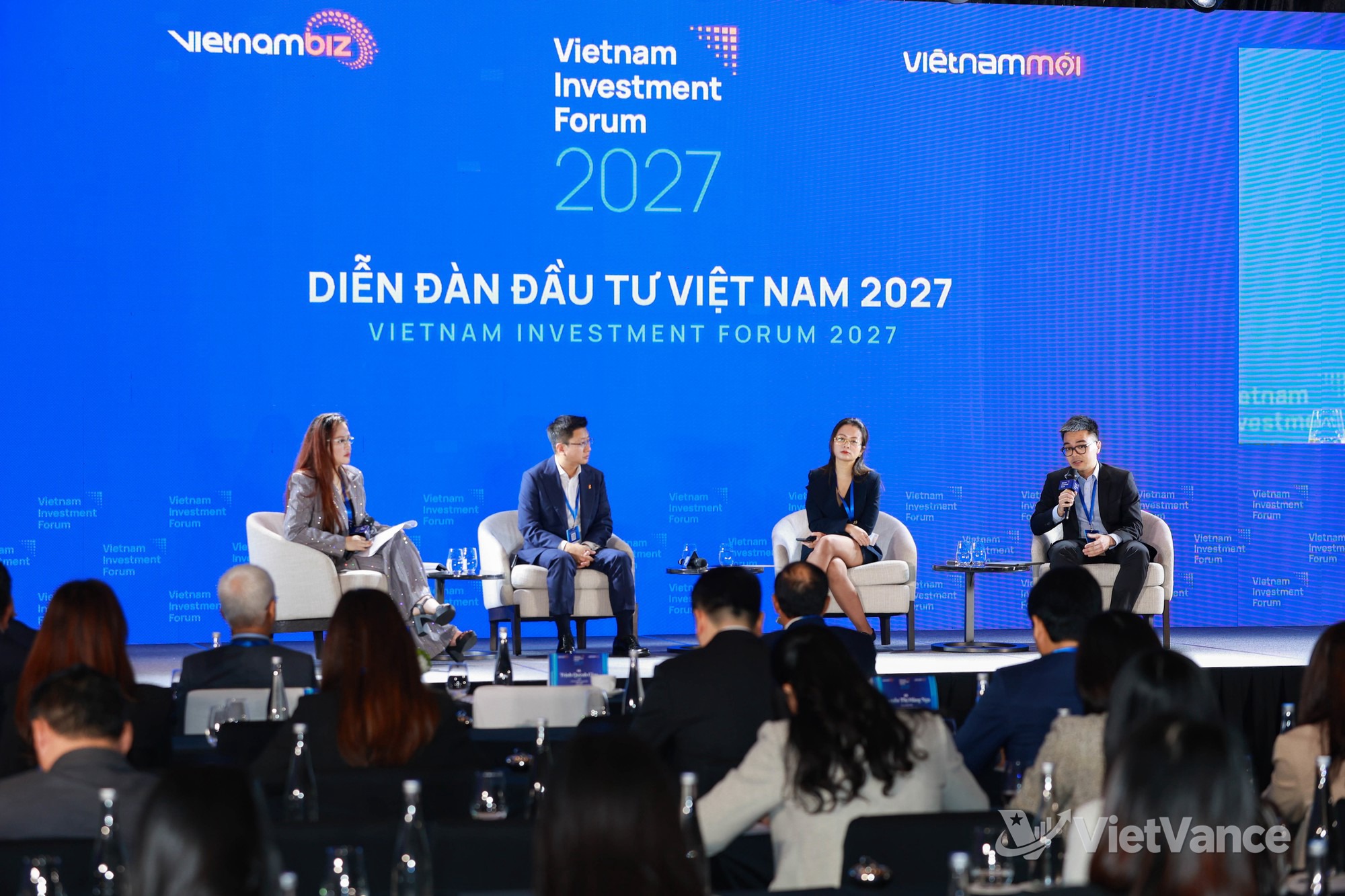
A discussion on the direction of Vietnamese family wealth at an investment forum on November 12, 2026.(VietVance)
Duc Tran said Vietnamese investors still face limits on investing in overseas assets and have relatively few investment products to choose from. After periods of inflation, tangible assets such as gold and real estate can also feel safer. He noted that assets held in Vietnamese fund products amount to about 7% of GDP, while less than 0.5% of the population invests through funds.
Nguyễn Duy Linh, CEO of Saigon–Hanoi Securities Joint Stock Company, said low interest rates in 2024 and 2025 made it attractive to hold real estate, stocks or gold while waiting for prices to rise. Since late 2025, however, changes in interest rates have increased the opportunity cost of investing in other assets rather than savings deposits. He said that by the time of the forum in November 2026, about 80% of stocks, excluding large-cap shares, had fallen from their late-2025 levels, with nearly half down more than 20%.
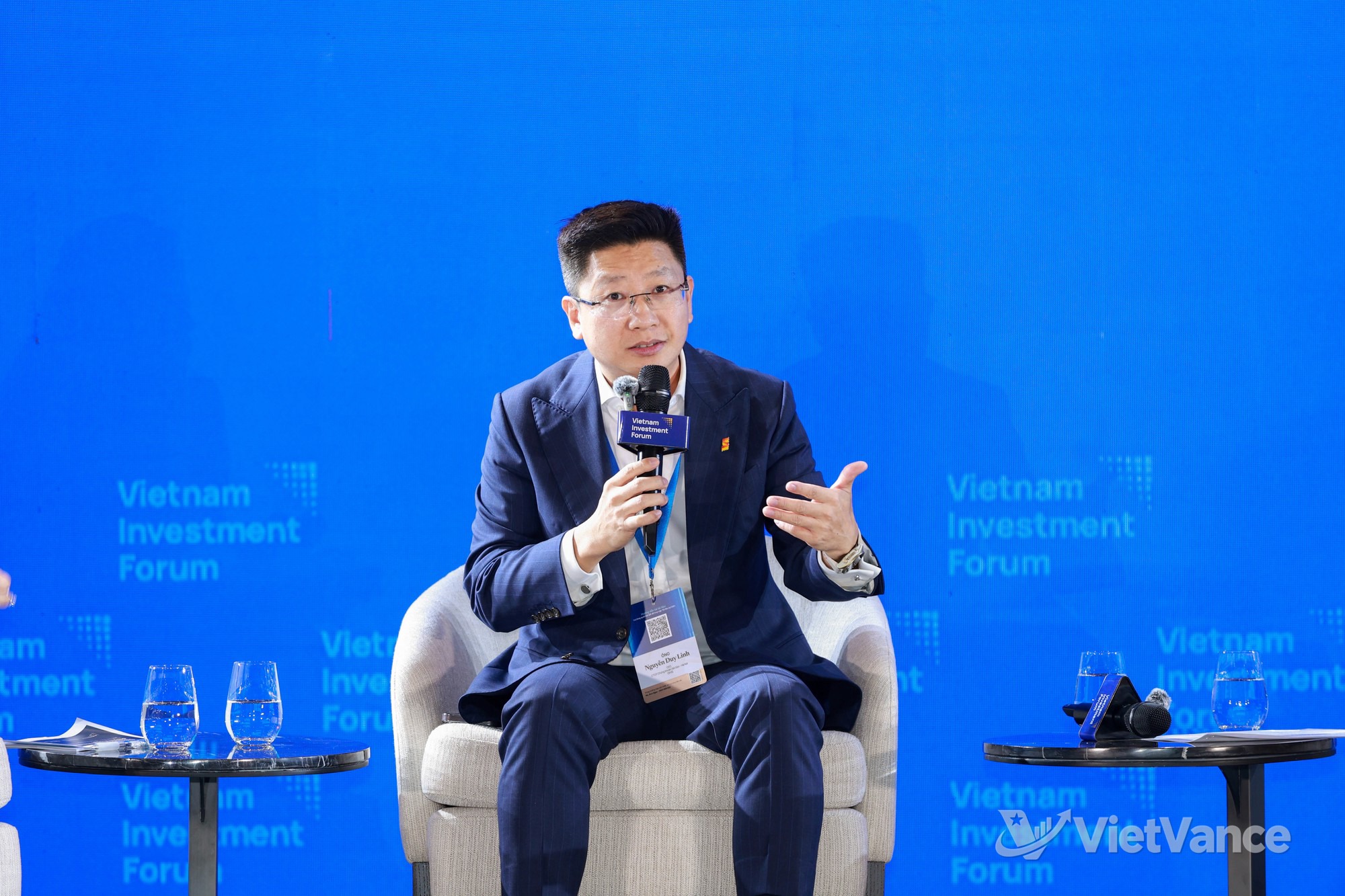
Nguyễn Duy Linh, CEO of Saigon–Hanoi Securities Joint Stock Company.(VietVance)
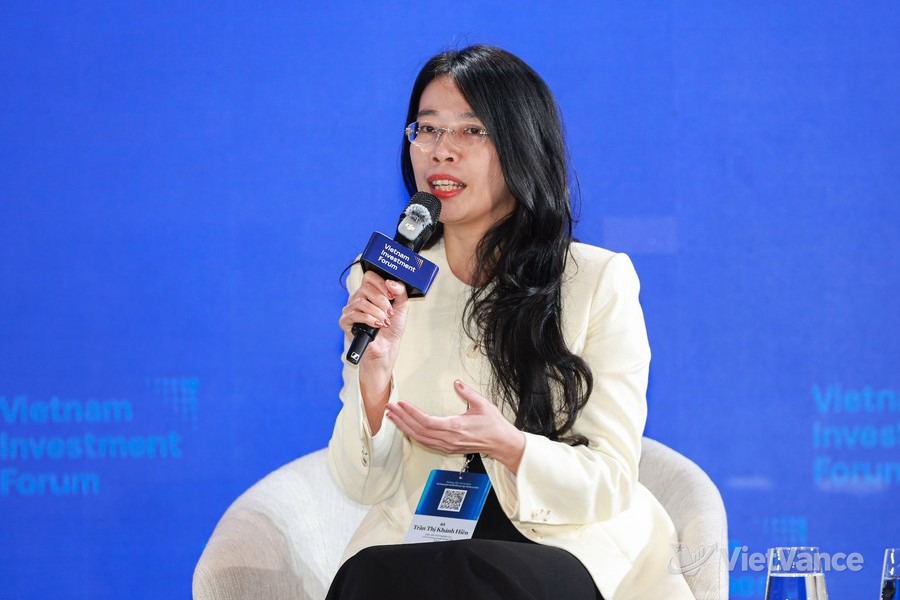
Nguyễn Thị Minh Thu, managing director of financial and investment advisory firm Index Partners, said family wealth management should first safeguard the security and liquidity of the entire portfolio, then consider growth opportunities in individual assets. She continues to invest in properties that can be rented out and generate cash flow, and also suggested considering corporate bonds that pay interest regularly. Her view that interest rates will remain high in 2027 and that some property owners may have to sell because of liquidity pressures remains a forecast.
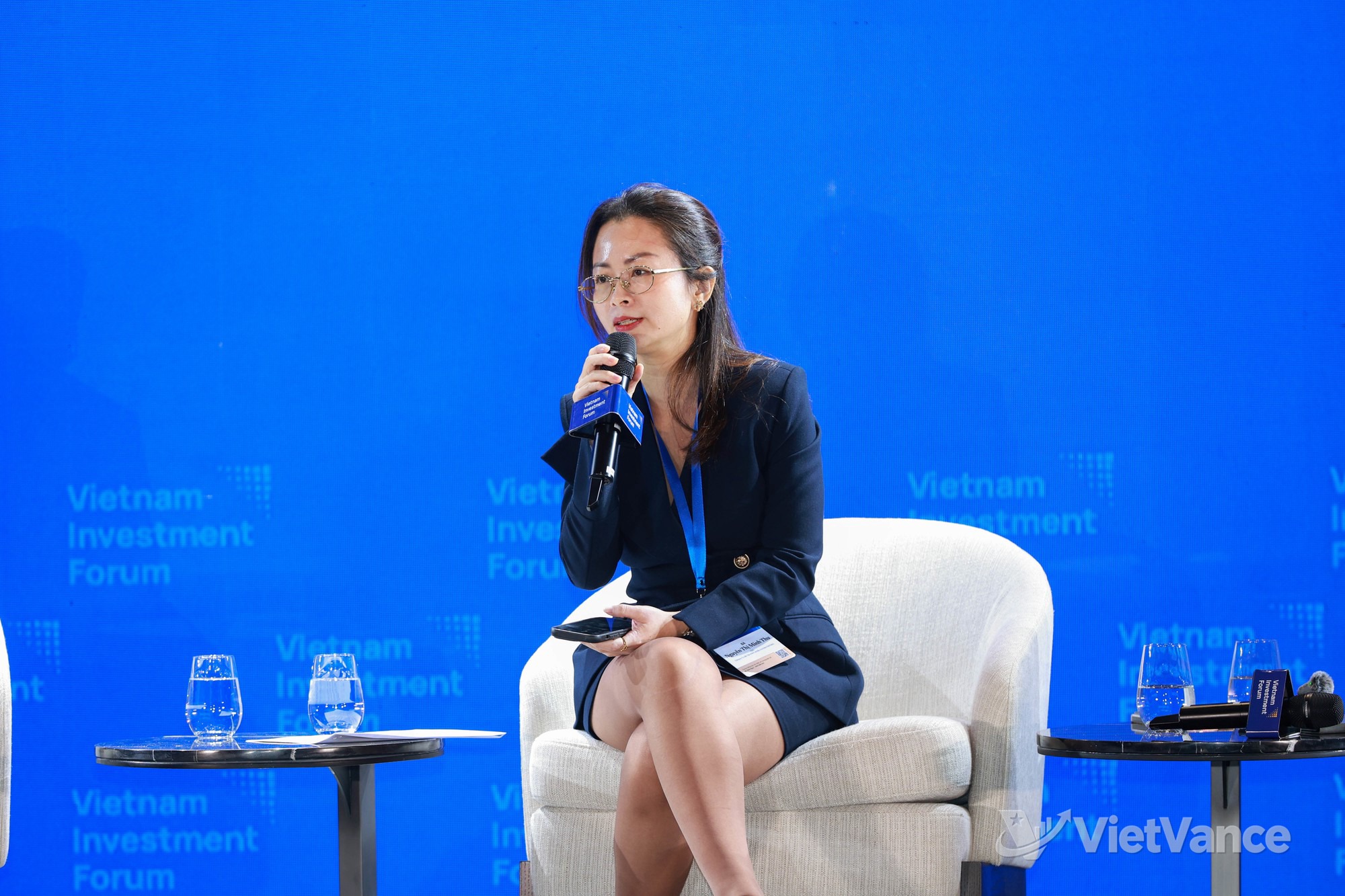
Nguyễn Thị Minh Thu, managing director of Index Partners.(VietVance)
Their specific allocation choices differ. Nguyễn Duy Linh said he is gradually increasing the share of stocks in his personal portfolio and raising his allocation to fixed income assets to about 30%–40%, but is less interested in real estate because rental returns have declined. Duc Tran, meanwhile, is considering increasing investment in private companies in 2027, while reducing debt leverage in his personal portfolio and adding more liquid assets.
Source: VietVance