Vietnamese Workers Struggle to Access Credit as Domestic Credit Card Use Remains Limited
Unexpected expenses can push Vietnamese workers toward high interest informal loans while formal credit approval takes time. More than 7.4 million domestic credit cards were in circulation by the end of September 2026, but income documentation and eligibility requirements still limit workers’ access.

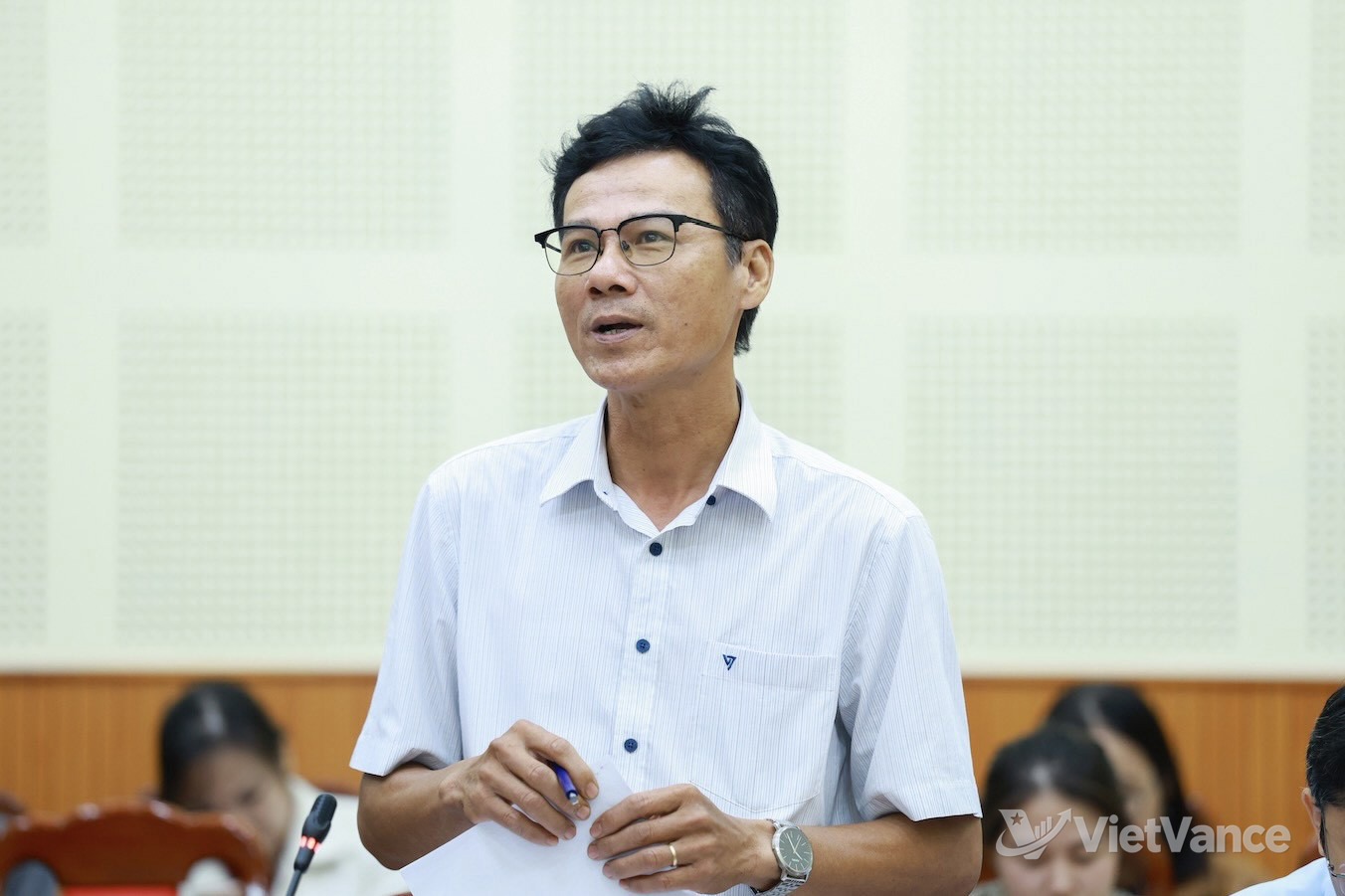
At a November 19 seminar on expanding workers’ access to domestic credit cards, Lê Nhật Trường, chairman of the grassroots trade union at Pou Sung Việt Nam Co., Ltd., said unexpected expenses such as rent, tuition and medical bills can leave workers with stable jobs facing short term cash shortages. Some turn to informal loans with high interest rates and unclear fees, then face pressure from debt collectors if they fall behind on payments. The company’s union still regularly hears from workers about such pressure.
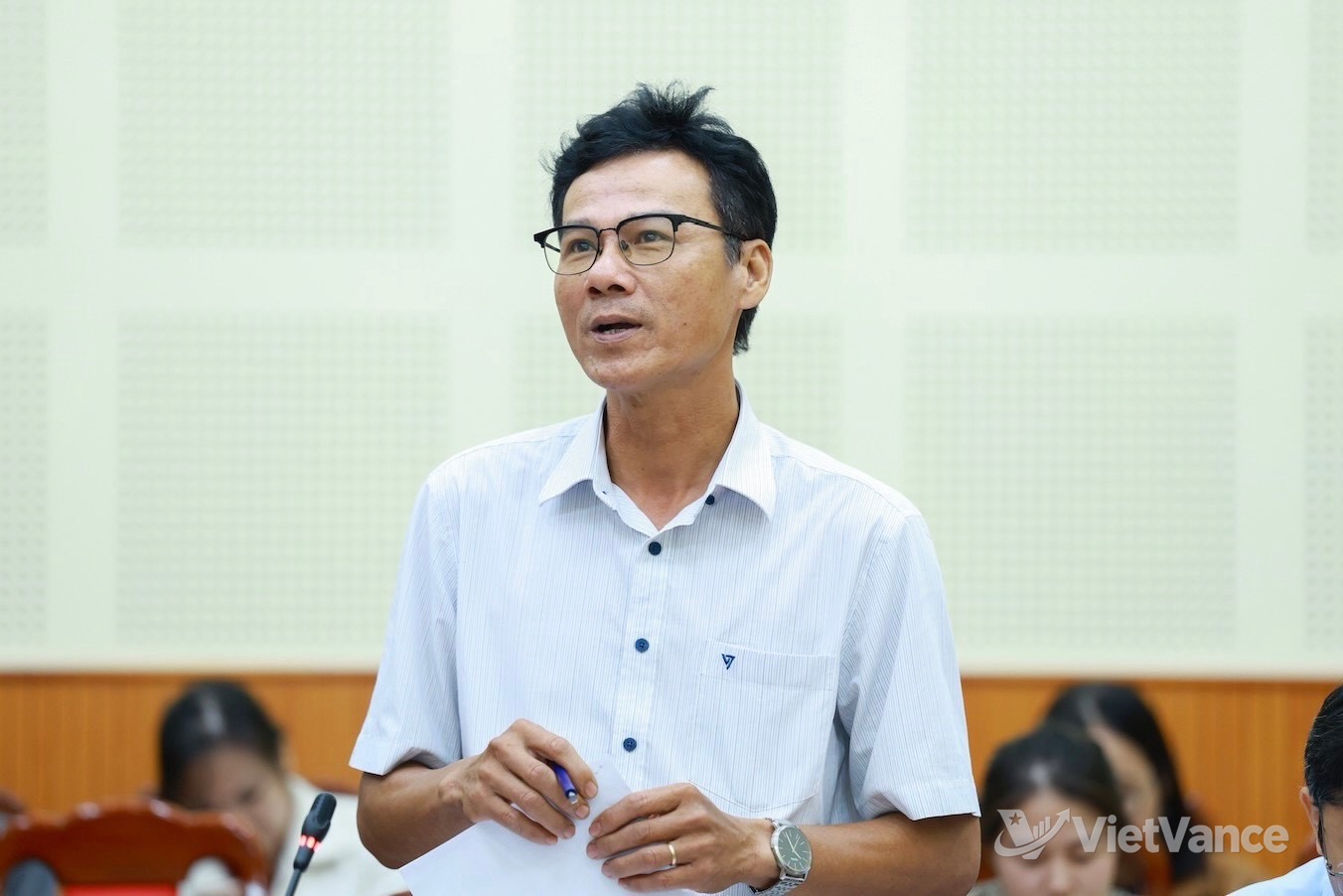
Lê Nhật Trường, chairman of the grassroots trade union at Pou Sung Việt Nam Co., Ltd.(VietVance)
Lê Nhật Trường said the company has worked with several partners since 2021 to offer flexible salary advances before payday. More than 4,500 people have registered to use the service. Advances exceed 10 billion Vietnamese dong a month, and total disbursements have reached 500 billion dong. He said workers also struggle to obtain funds when they need them: formal lenders must verify applications and assess repayment capacity, and the time required may lead people with urgent needs to choose riskier borrowing options.
Nguyễn Đăng Hùng, deputy general director of NAPAS, said workers with low or unstable incomes still face barriers involving proof of income, card eligibility and credit limits. Figures presented by Lê Anh Dũng, deputy director of the Payment Department at the State Bank of Vietnam, show that by the end of September 2026, 17 institutions in Vietnam issued domestic credit cards, with more than 7.4 million cards in circulation, up 63% year on year. From 2021 to 2025, domestic credit card issuance grew by an annual average of 88%. However, domestic cards accounted for only about 35% of all credit cards in circulation, and issuance remained concentrated among a small number of banks and finance companies.

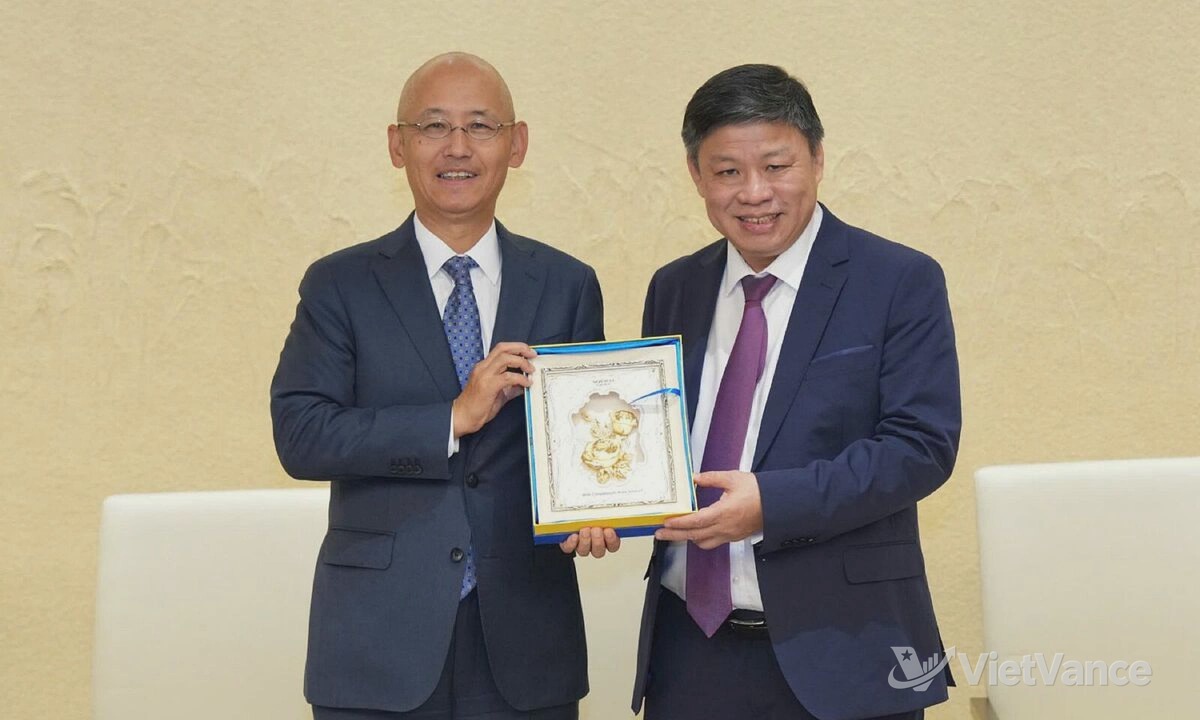
Lê Anh Dũng, deputy director of the Payment Department at the State Bank of Vietnam.(VietVance)
Lê Anh Dũng suggested that lenders consider using account income, cash flows, transaction records and repayment histories together to assess creditworthiness, while obtaining customers’ consent and protecting their information. Phạm Tiến Dũng, deputy governor of the State Bank of Vietnam, said a draft plan for developing cashless payments from 2027 to 2030 prioritizes domestic bank cards. He also stressed that expanding access to domestic credit cards does not mean encouraging borrowing regardless of the consequences; cardholders must still meet their repayment obligations.
Source: VietVance