
Vietnam union leader says some licensed finance firms collect debts like “black credit” lenders
On November 19, a union leader at a Vietnamese company with 16,000 employees said workers struggle to distinguish some licensed finance firms’ debt collection practices from “black credit.” He also cited unclear explanations of loan interest and fees. A State Bank of Vietnam official called for wider access to domestic credit cards and formal credit.

On the morning of November 19, Lê Nhật Trường, chair of the grassroots union at Công ty TNHH Pou Sung Việt Nam, told a seminar on credit for workers that the debt collection methods of some licensed finance companies are hard for workers to distinguish from “black credit.” The company has 16,000 employees. The union still receives calls from workers reporting pressure from debt collectors, including threats to pursue unpaid debts at the company or through its human resources department.
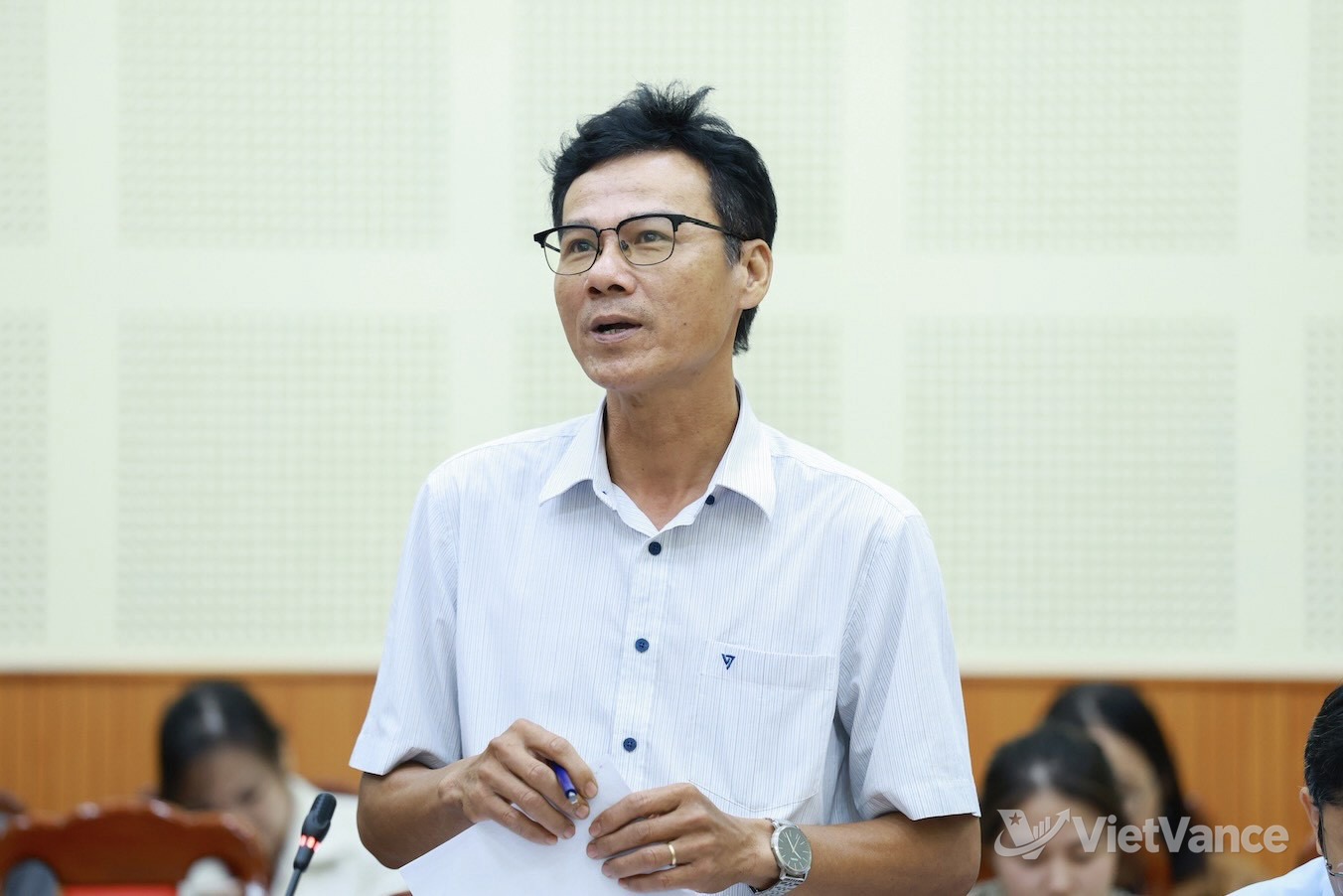
Lê Nhật Trường, chair of the grassroots union at Công ty TNHH Pou Sung Việt Nam.(VietVance)
Trường said some finance companies do not clearly explain whether loan interest is calculated on the original principal or the declining balance. In addition to interest, borrowers may face a processing fee of about VND 2 million and a risk insurance fee. The combined costs associated with a VND 30 million loan could reach about VND 15 million, far more than the roughly VND 6 million in interest borrowers initially thought they would pay. He said inadequate explanations can lead workers to misjudge the true cost of borrowing.
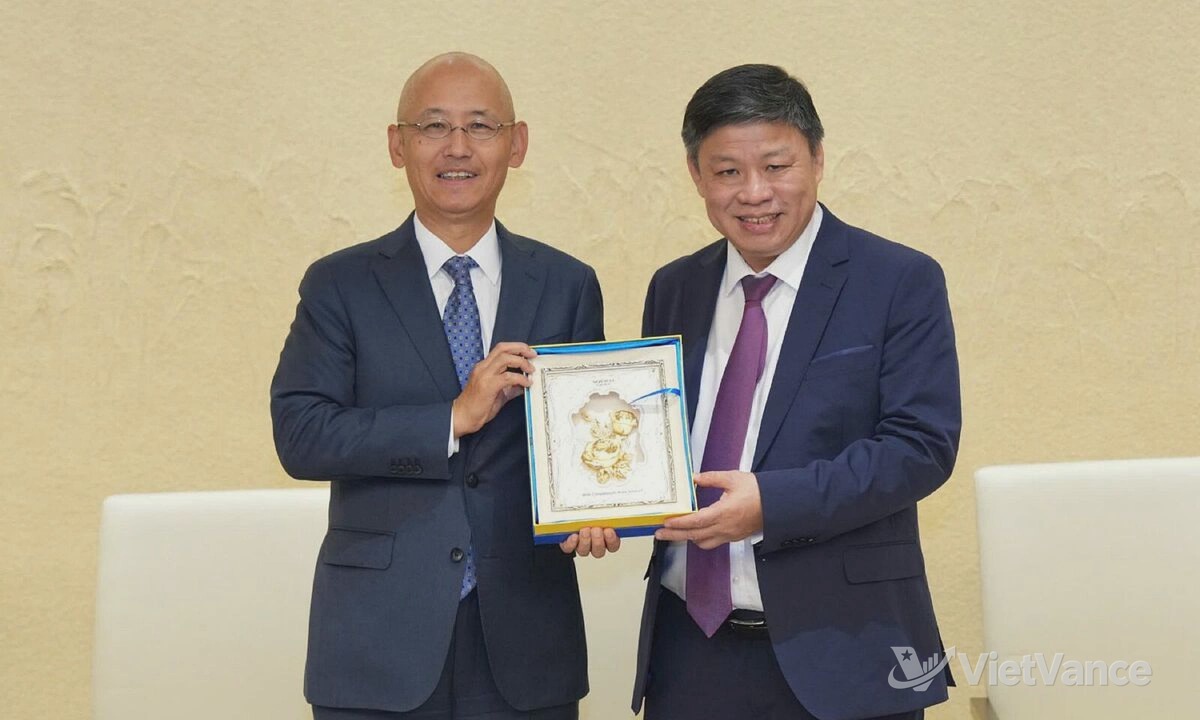
Lê Anh Dũng, deputy director of the Payment Department at the State Bank of Vietnam, said formal credit channels need to expand to reduce workers’ reliance on informal loans. He said domestic credit cards could help cover unexpected, urgent short-term expenses while reducing issuance and annual fees for cardholders.

Lê Anh Dũng, deputy director of the Payment Department at the State Bank of Vietnam.(VietVance)
Dũng said the State Bank of Vietnam is continuing to study improvements to regulations on bank cards, including domestic credit cards. With customers’ consent and appropriate data protections, card issuers could assess applicants using account income, cash flow, transaction records and repayment history, while fully considering their total debt obligations and ability to repay. NAPAS, banks and technology companies are also working to integrate credit cards with payment terminals and sales software, with a focus on expanding acceptance networks in industrial parks, export processing zones and areas where workers live.
Source: VietVance