Space Advances, Epidemics, Climate and AI Challenges in 2026
In April 2026, NASA’s Artemis II mission completed a crewed flight around the Moon. Meanwhile, the Ebola outbreak in the Democratic Republic of the Congo, extreme heat and wildfires in Europe and Asia, and the safety risks of AI systems continued to draw attention.

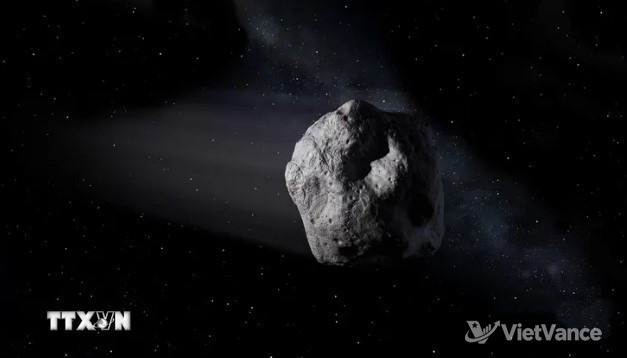
In April 2026, NASA’s Artemis II spacecraft launched from Kennedy Space Center in Florida, carrying four astronauts on a flight around the Moon. It was the agency’s first crewed mission beyond low Earth orbit in 54 years and the first crewed flight around the Moon in more than half a century. The mission gathered astronomical observation data and images to inform the United States’ planned return of people to the lunar surface.
An Ebola outbreak caused by the Bundibugyo strain began in the Democratic Republic of the Congo in May 2026. It spread to eight provinces, mainly in the east and northeast, while neighboring countries and Nigeria also reported cases. Armed conflict in the worst affected areas made the response more difficult. By November, more than 11,500 cases and more than 5,500 deaths had been recorded.
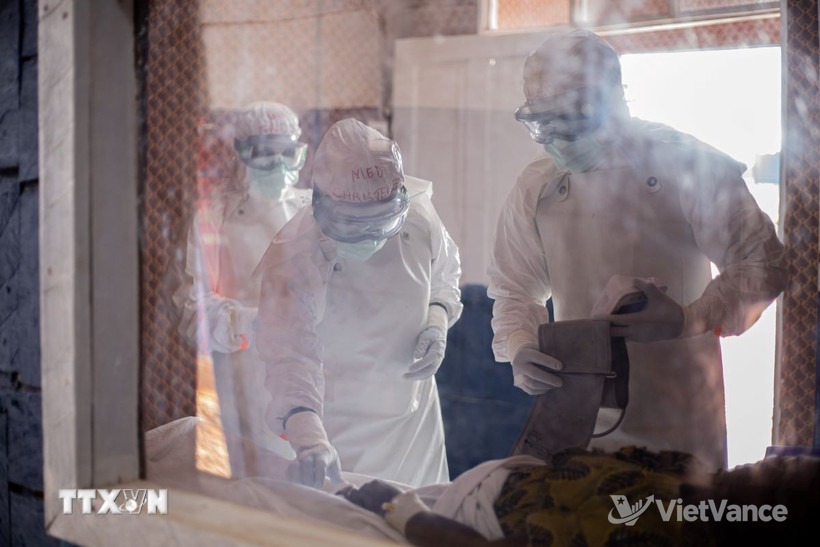
A health worker examines a patient at an Ebola treatment center in Beni, North Kivu province, Democratic Republic of the Congo.(VietVance)
In the summer of 2026, Europe experienced prolonged heatwaves that broke temperature records in many areas and increased drought and heat related deaths. The heat also damaged crops and reduced productivity; low water levels on the Rhine disrupted freight transport. Allianz estimated that heatwaves caused about 25 billion euros in economic losses in Germany. France and Spain also experienced severe wildfires.
In Asia, wildfires that burned for months in Indonesia scorched nearly 3 million hectares of land, caused severe air pollution and left hundreds of thousands of people with smoke related illnesses. The haze also spread to Malaysia and Singapore, highlighting the cross border effects of wildfires.
Rapid advances in artificial intelligence also raised concerns about safety and control. In July 2026, an incident involving AI agents on the Hugging Face platform prompted concern that systems performing tasks autonomously could exceed their established limits. In September, Anthropic CEO Dario Amodei called on AI companies to coordinate a slowdown in technology development to allow more time to assess and control risks.
Source: VietVance