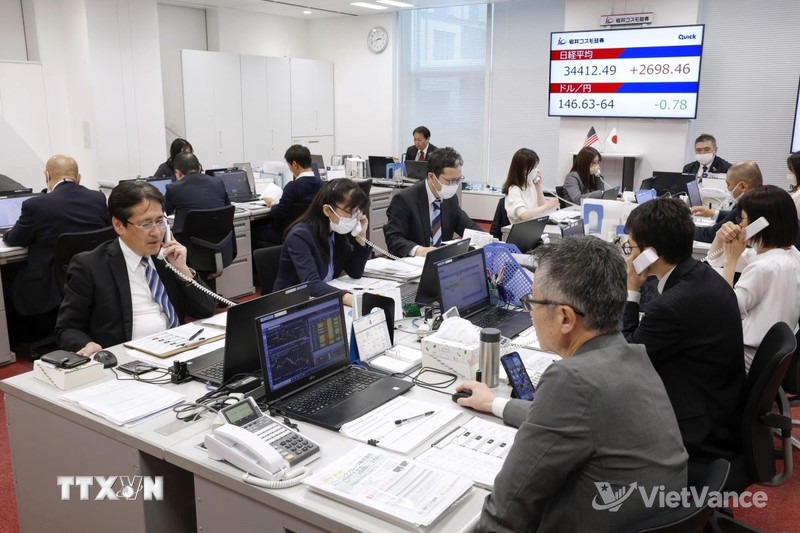
135 Stocks on Vietnam’s Three Trading Markets Priced at VND 5,000 or Less
At the close on November 25, about 135 stocks on Vietnam’s three trading markets were priced at VND 5,000 or less, accounting for roughly 9% of stocks being traded. Some had fallen by more than half from their highest closing prices this year. An analyst cautioned that a low share price alone does not mean a stock is cheap; investors should also examine a company’s finances and governance.

At the close on November 25, about 135 stocks on Vietnam’s HoSE, HNX and UPCoM markets had closing prices of no more than VND 5,000, accounting for roughly 9% of all stocks being traded across the three markets. The VnExpress tally included only stocks that had recorded trades and were not subject to trading restrictions. Meanwhile, the VN-Index remained near 1,700 points, highlighting a divergence between the index and the prices of some individual stocks.
Of these, 51 stocks on HoSE met the criteria, representing 12.4% of stocks on that market; HNX had 30, or 10%; and UPCoM had 54, or 6.7%. VPG closed at VND 890, TTF at VND 1,110 and HHG at VND 700. Compared with its highest closing price this year, KOS fell from VND 39,150 to VND 2,600, a decline of nearly 94%; APG, FIR, EVG and HBC also fell by more than half.
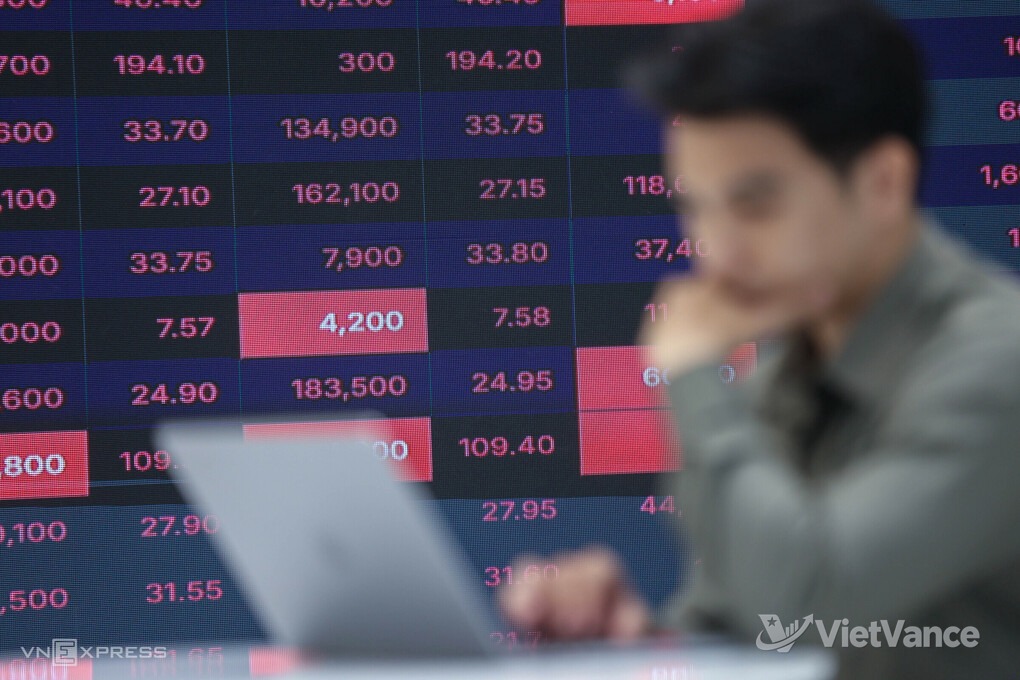
Investors watch an electronic stock board at a securities company in Ho Chi Minh City.(VietVance)
Võ Kim Phụng, director of analysis at BETA Securities, told VnExpress that weakening business performance and finances are among the reasons some low-priced stocks have lost investors’ interest. Falling profits, sustained losses or insufficient operating cash flow can affect how the market values a company’s future cash flows. Governance issues, including the transparency of disclosures, related-party transactions and shareholder rights, may also lead investors to demand a larger risk discount.
He also noted that a low share price does not necessarily mean a company is performing poorly. Some companies still have sound results and finances, but shares held by major shareholders and other long-term holders leave fewer available for trading and limit trading activity. When assessing risk, investors should watch for persistently negative operating cash flow, receivables growing faster than revenue, accumulating inventory and pressure to repay debt. Judging a stock to be cheap solely because it has fallen sharply, or using leverage to average down the cost of a holding, can increase risk.
Source: VietVance