Hanoi Proposes Allowing Parking on Parts of 272 Roads
Hanoi’s Department of Construction has proposed allowing temporary parking on parts of 272 roads and streets. Each parking site would require a permit, cashless payments and a direct link to tax authorities. Permits would last no more than six months at a time. The department says existing parking space meets only about 10% to 15% of demand.

Hanoi’s Department of Construction has asked the municipal People’s Committee to consider approving 272 city-managed roads and streets where parts of the roadway could be used temporarily for vehicle parking. Inclusion on the list would not mean that parking is allowed along the entire road; each location would still have to meet traffic management and safety requirements and receive a permit from the competent authority.
According to the Department of Construction, Hanoi currently has about 9.38 million vehicles in operation, including approximately 8.19 million managed by the city and about 1.2 million privately owned vehicles from other localities that regularly travel in the area. Existing parking space meets only about 10% to 15% of actual demand, leaving many vehicles temporarily parked on roads, sidewalks and elsewhere.
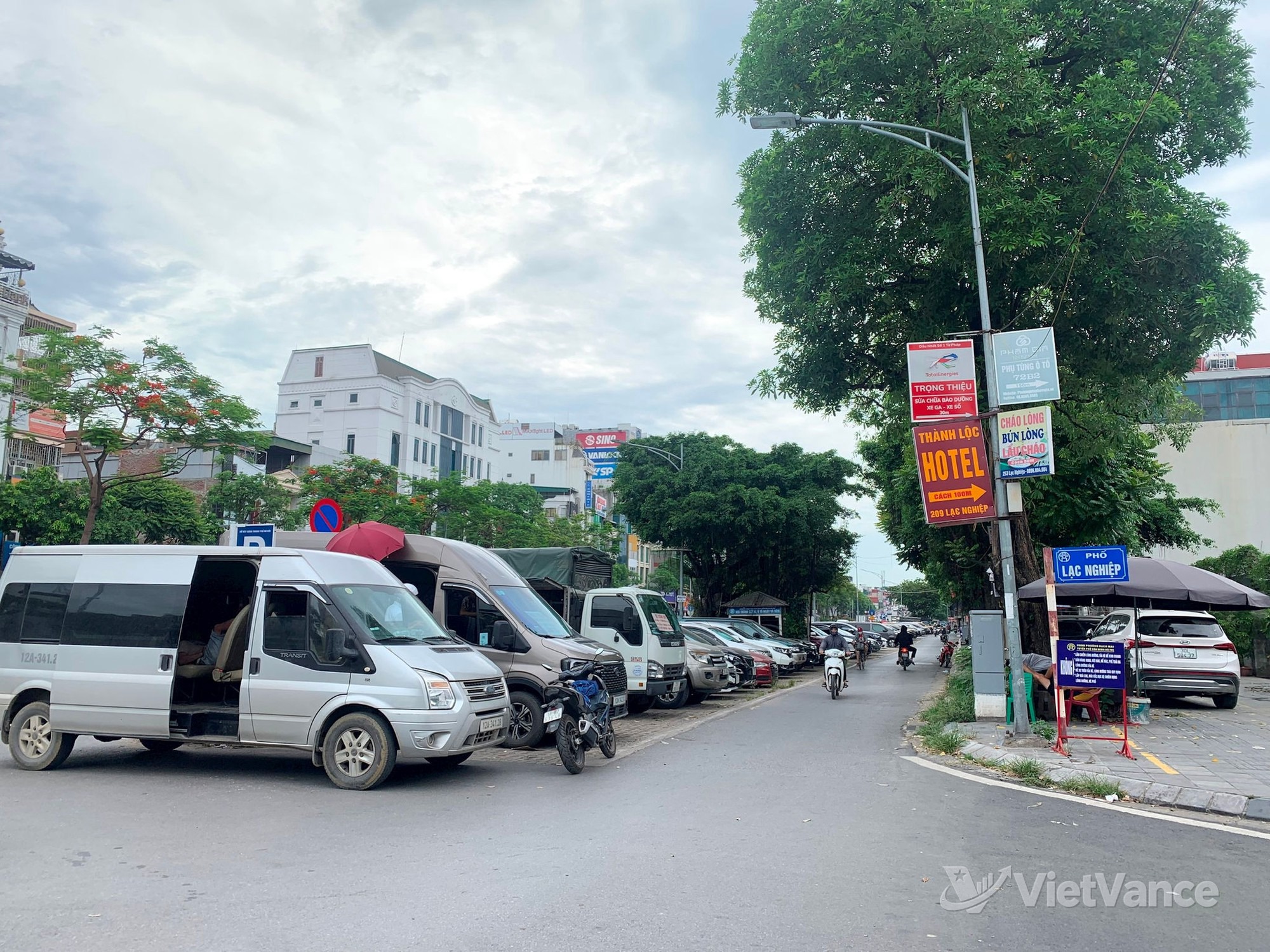
Hanoi’s Department of Construction says existing parking space meets only about 10% to 15% of actual demand.(VietVance)
On December 16, 2024, Hanoi approved the temporary use of parts of 234 city-managed roads for parking. As of November 4, 2026, the Department of Construction had issued permits to 46 operators covering 135 of those roads, with a total area of 37,803.5 square meters. The department proposed the new list of 272 roads after gathering input from the city’s police, finance department and local authorities.
The proposed rules require parking areas to have marked spaces and signs. Posts, ropes and barriers would be prohibited on the roadway, and parking sites would have to maintain the required distances from fire hydrants and bus stops. Parking operators would have to use information technology, connect directly to tax authorities and accept cashless payments. The systems would also have to help people find parking spaces and provide data to the competent authorities.
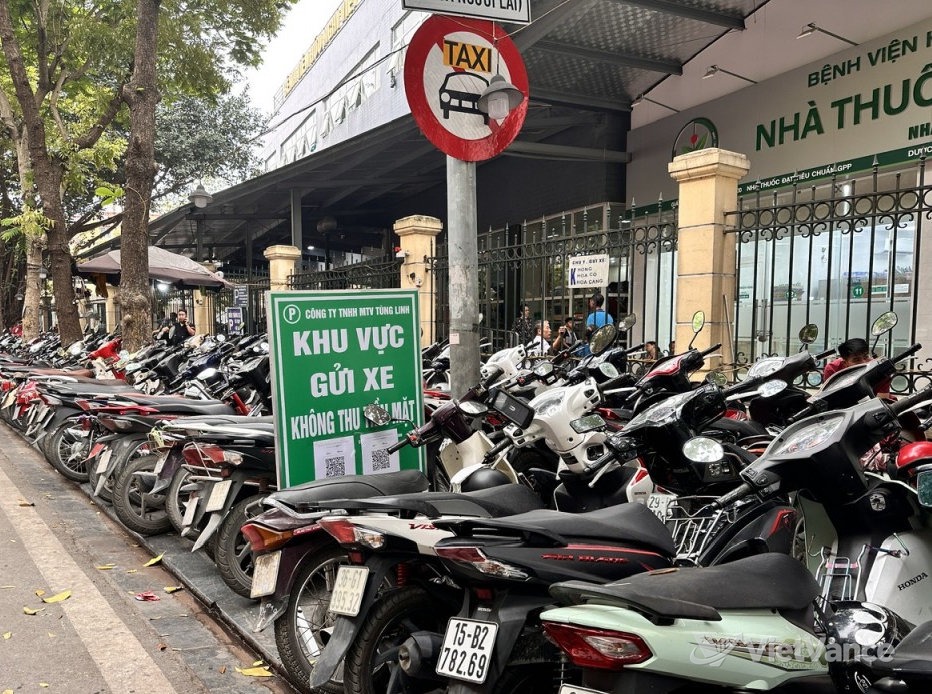
Hanoi plans to require parking operators to use information technology and accept cashless payments. Illustrative image.(VietVance)
Parking sites on sidewalks would have to be at least 10 meters from intersections, leave a pedestrian passage at least 1.5 meters wide and meet load-bearing requirements. Each permit for temporary use of a roadway or sidewalk would be valid for no more than six months. The Department of Construction also recommended that communes and wards review roads and sidewalks under their management where temporary parking could be allowed, providing a basis for subsequent permits.
Source: VietVance