China Expands Energy Cooperation Across Asia-Pacific, Including Vietnam Project
China is expanding its role in Asia-Pacific energy markets through cross-border power lines, overseas electricity projects and clean energy technology. It has established 16 cross-border transmission lines with neighboring ASEAN countries, while a PowerChina-built solar project in Vietnam’s Gia Lai province illustrates bilateral energy cooperation.

Chinese energy companies are expanding their presence in Asia-Pacific markets through cross-border power grids, overseas electricity projects and clean energy technology. China has established 16 cross-border transmission lines with neighboring ASEAN countries. China’s National Energy Administration says the country has led 57 APEC Energy Fund initiatives over the past 12 years, covering grid resilience, low-carbon cities and energy data management.
Regional energy supplies remain vulnerable to external shocks. Wang Hongzhi, head of China’s National Energy Administration, said the Asia-Pacific region imports more than 45% of its crude oil and 23% of its natural gas from the Middle East. Supply disruptions and geopolitical developments could affect regional energy security. As electricity demand grows and renewable energy accounts for a larger share of supply, cross-border transmission, energy storage and coordination between markets are becoming more important.
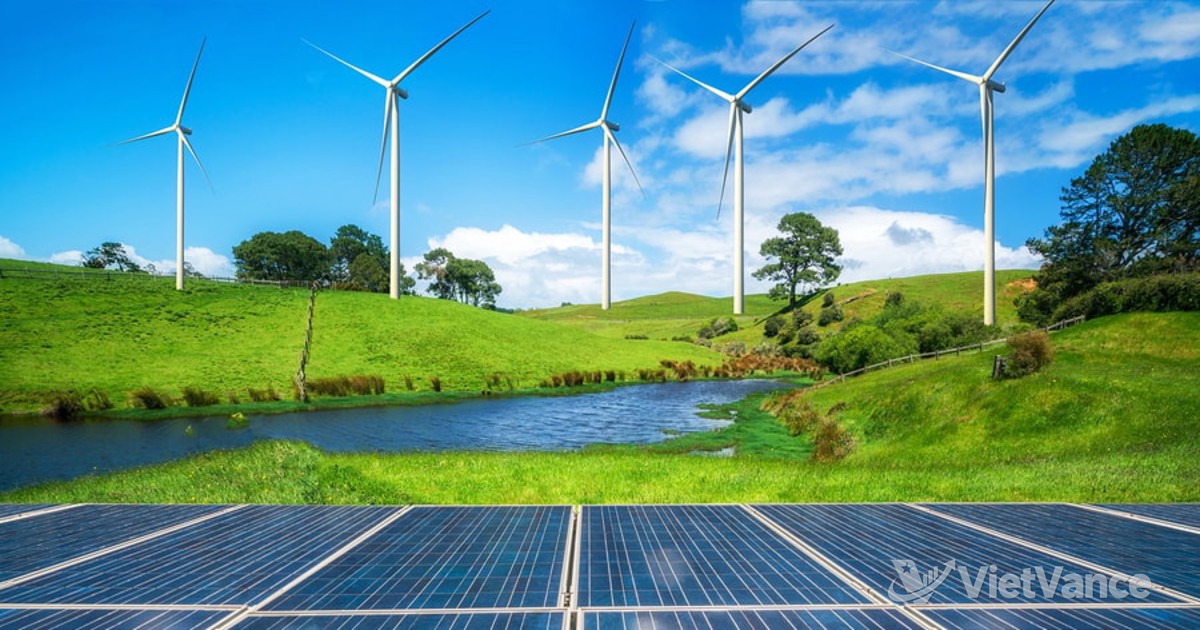
In Vietnam, PowerChina built a 330-megawatt solar power plant in Gia Lai province. The project is expected to generate about 520 million kilowatt-hours of electricity annually and is an example of China-Vietnam cooperation on clean energy projects.
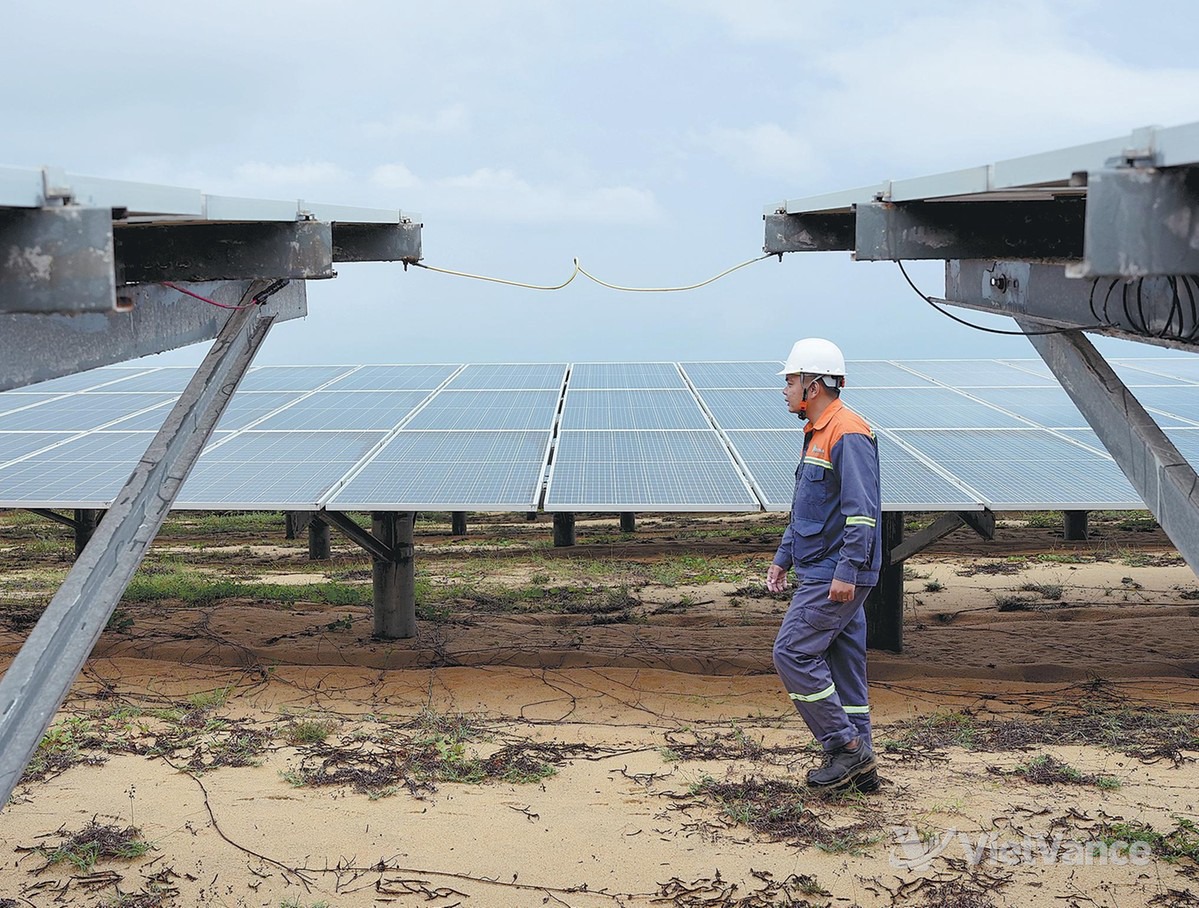
Workers inspect solar panels at a 330-megawatt solar power plant in Gia Lai province, Vietnam.(VietVance)
Chinese companies’ overseas activities also span power grids, generation and energy storage. China Southern Power Grid is expanding its electricity distribution network in Peru, China General Nuclear Power Group participated in developing Malaysia’s Edra power plants, and BYD supplies battery storage solutions to overseas markets. As cross-border energy networks expand, the parties involved still need to coordinate technical standards, operating arrangements and system security measures.
Source: VietVance