Da Nang Approves VND 7.585 Trillion Cửa Lở Channel Project
Da Nang’s government approved the VND 7.585 trillion Cửa Lở channel project on November 7. Planned as a public-private partnership under a build-transfer contract paid for with land, the channel would accommodate vessels of up to 50,000 deadweight tons. Construction is scheduled from the fourth quarter of 2026 to the fourth quarter of 2028.

Da Nang’s government approved investment in the Cửa Lở channel project on November 7, with a total investment of VND 7.585 trillion. The project will use a public-private partnership under a build-transfer (BT) contract, with payment made in land, and is scheduled for implementation from the fourth quarter of 2026 to the fourth quarter of 2028.
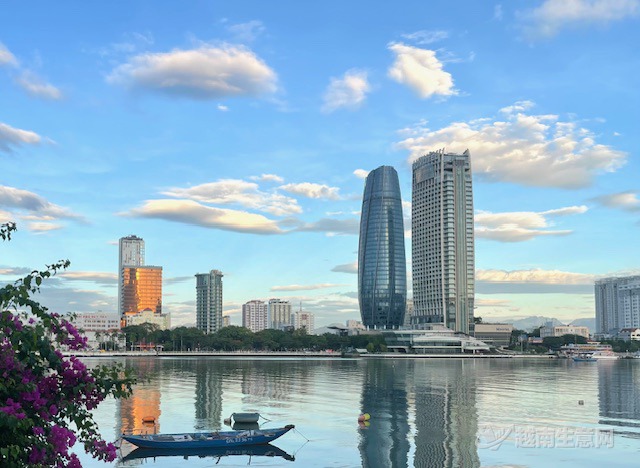
Da Nang’s Administrative Center viewed from the east bank of the Hàn River.(VietVance)
Under Decision No. 5136/QĐ-UBND issued by Da Nang’s government on November 7, Dai Quang Minh Real Estate Investment Joint Stock Company will prepare the project’s feasibility study report, while the Chu Lai Open Economic Zone Management Board will receive the investor’s submissions. The Da Nang People’s Council approved the land-based payment arrangement on May 29, 2026; the works are designed for a service life of 50 years.
The project calls for a shipping channel about 6.58 kilometers long and 140 meters wide, with a seabed elevation of −13.2 meters. It will also include navigational aids and a pilot boarding and disembarkation area for vessels of 50,000 deadweight tons. Breakwaters and sand barriers will be built on the seaward side, along with bank protection works on both sides of Cửa Lở.
The channel is projected to handle about 7.5 million to 9 million tons of cargo annually by 2030, rising to 14 million tons by 2040 and 22 million tons by 2050. Land used for payment includes the 744.04-hectare Tam Hòa port and port logistics industrial zone and the 590.56-hectare Tam Hòa–Tam Tiến residential, urban, services and tourism area.
Once completed, the channel is intended to serve the Chu Lai Open Economic Zone and surrounding areas and improve access to the East Sea for central Vietnam and the Central Highlands. The project plan also covers maritime access for southern Laos, northeastern Cambodia and Thailand; lower logistics costs and increased investment are among its expected benefits.
Source: VietVance