Ether Wallet Dormant for 11 Years Avoids $4.6 Million Transfer Scam
An Ether wallet that had made no outgoing transfers for nearly 11 years faced an address poisoning attempt after a test transaction on November 9. Its owner ultimately sent about $4.6 million in Ether to the intended address.

An Ether wallet that had made no outgoing transfers for nearly 11 years became active again on November 9. Just three minutes after a test transfer of 0.05 Ether, worth about $106, small transactions from addresses mimicking the recipient began appearing in its transaction history. Thirty-eight minutes later, the wallet’s owner still sent 2,154.94 Ether, worth about $4.6 million, to the intended address.
The wallet had received Ether since the Ethereum network’s genesis block in July 2015 and received another 755 Ether in March 2016. It then went years without making an outgoing transfer. The November 9 test transaction went to a new address. Two addresses with opening and closing characters similar to those of the real recipient then sent tiny amounts of Ether to the old wallet. One of the fake addresses made 43 such transactions.
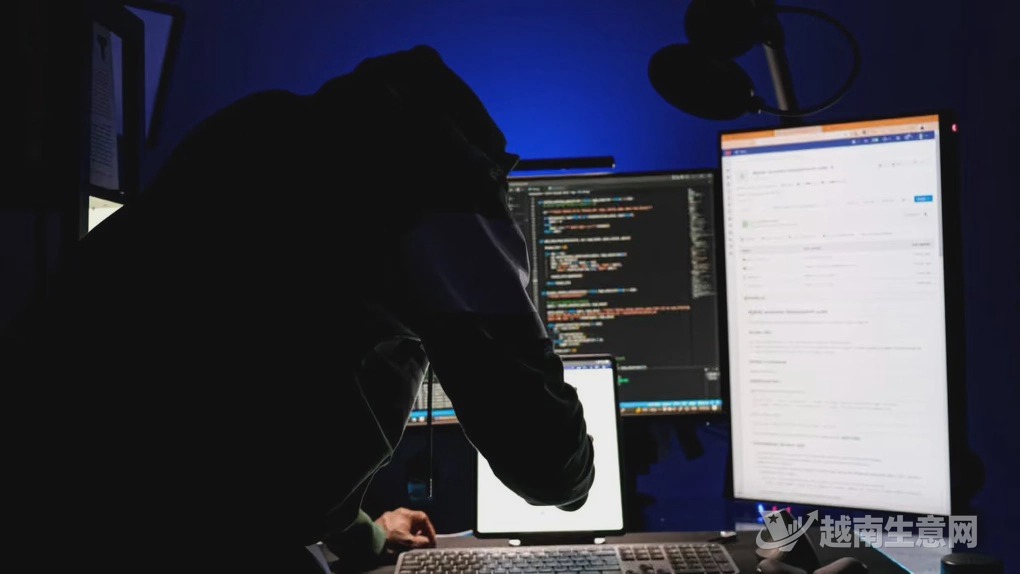
Illustration of a hacker at work.(VietVance)
This tactic is known as “address poisoning”: scammers place a fake address in a wallet’s transaction history, hoping the user will select it by mistake for a later transfer. Some wallet apps display only part of an address, increasing the risk of confusion. After the test transfer, the new recipient address sent 0.01 Ether to another address and received almost all of it back about three minutes later. This may have been an additional check.
Citibank analysts warned in January this year that transaction activity on the Ethereum network had risen, but most transfers were worth less than $1. The bank said some unusual activity could be linked to address spoofing. Low transaction fees allow scammers to send small amounts in bulk at little cost. Such transactions may also inflate on-chain activity figures without necessarily indicating an increase in actual users.
Source: VietVance