Vietnam’s National Assembly passes 38 laws, targets GDP growth of at least 10% in 2027
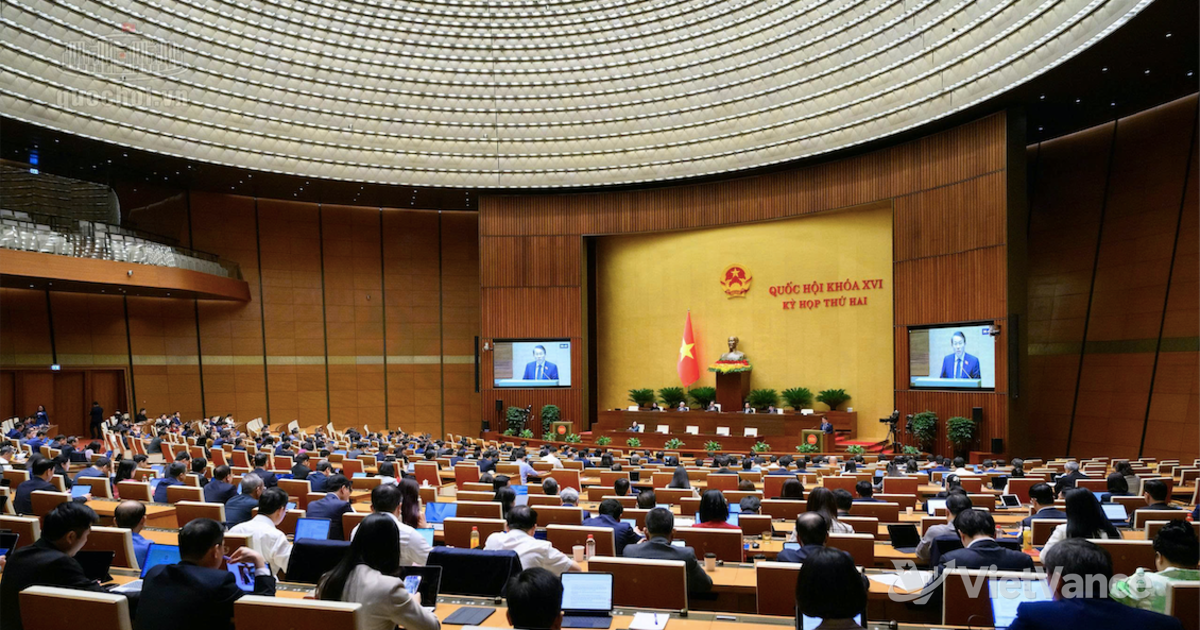
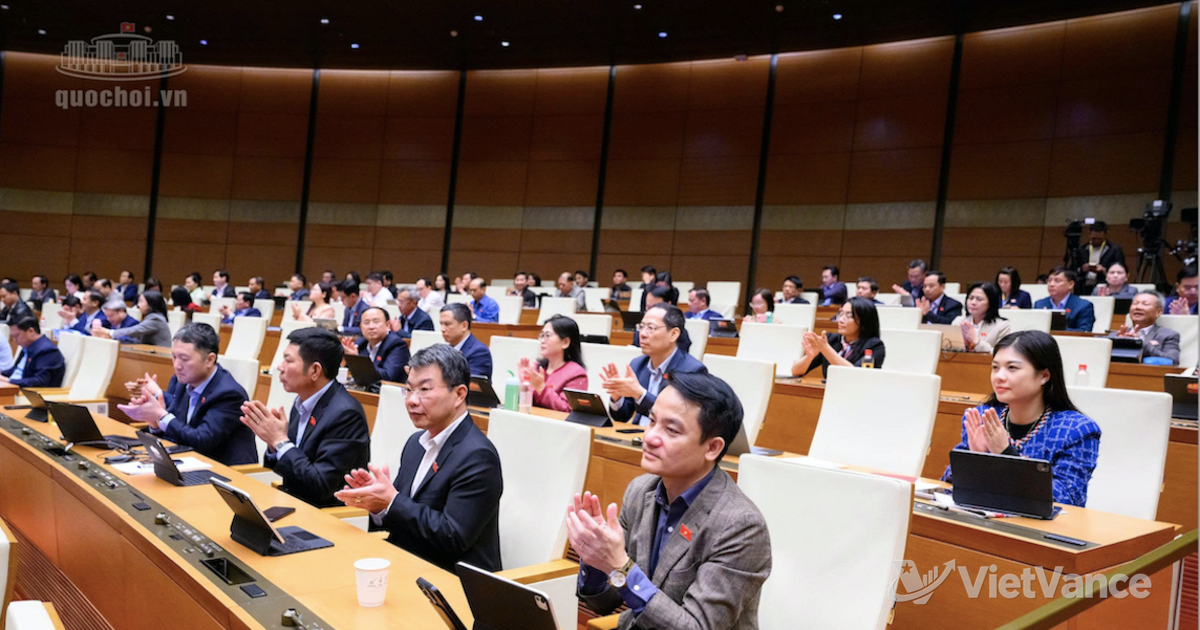
Vietnam’s 16th National Assembly concluded its second session on November 21, 2026, passing 38 laws and five regulatory resolutions and setting a target of at least 10% GDP growth in 2027. It also decided on the 2027 socioeconomic development plan and budget arrangements and called for swift implementation of the newly adopted laws and resolutions.

The second session of Vietnam’s 16th National Assembly concluded on November 21, 2026. Over 27 days, the National Assembly passed 38 laws and five regulatory resolutions and provided comments on five draft laws. It called for coordinated implementation of its decisions and set a target of at least 10% GDP growth in 2027.
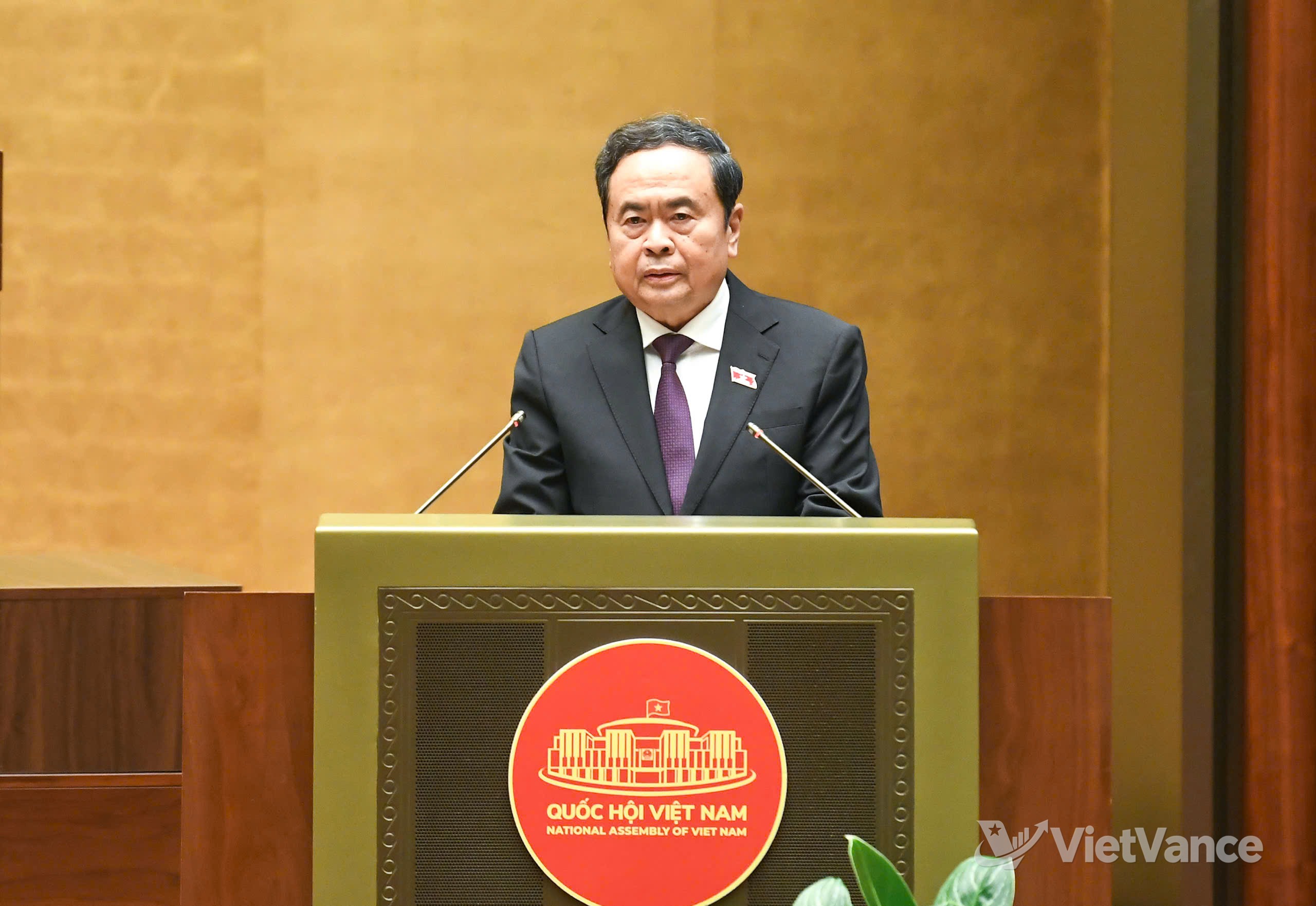
National Assembly Chairman Trần Thanh Mẫn speaks at the session’s closing ceremony.(VietVance)
National Assembly Chairman Trần Thanh Mẫn said the laws passed included 22 important laws and codes that were newly enacted or comprehensively revised, as well as 16 laws amending provisions of 38 existing laws. Across three sessions in the first year of the 16th National Assembly’s term, it reviewed and passed a total of 62 laws and 16 regulatory resolutions. Trần Thanh Mẫn urged the government, ministries and local authorities to implement the laws and resolutions adopted at this session as soon as possible.
The National Assembly also decided on the 2027 socioeconomic development plan, state budget estimates and central budget allocation plan, and approved investment in principle for one target program and three major national projects. A resolution adopted at the session calls for measures to achieve the 2027 socioeconomic development and state budget targets to the fullest extent possible.
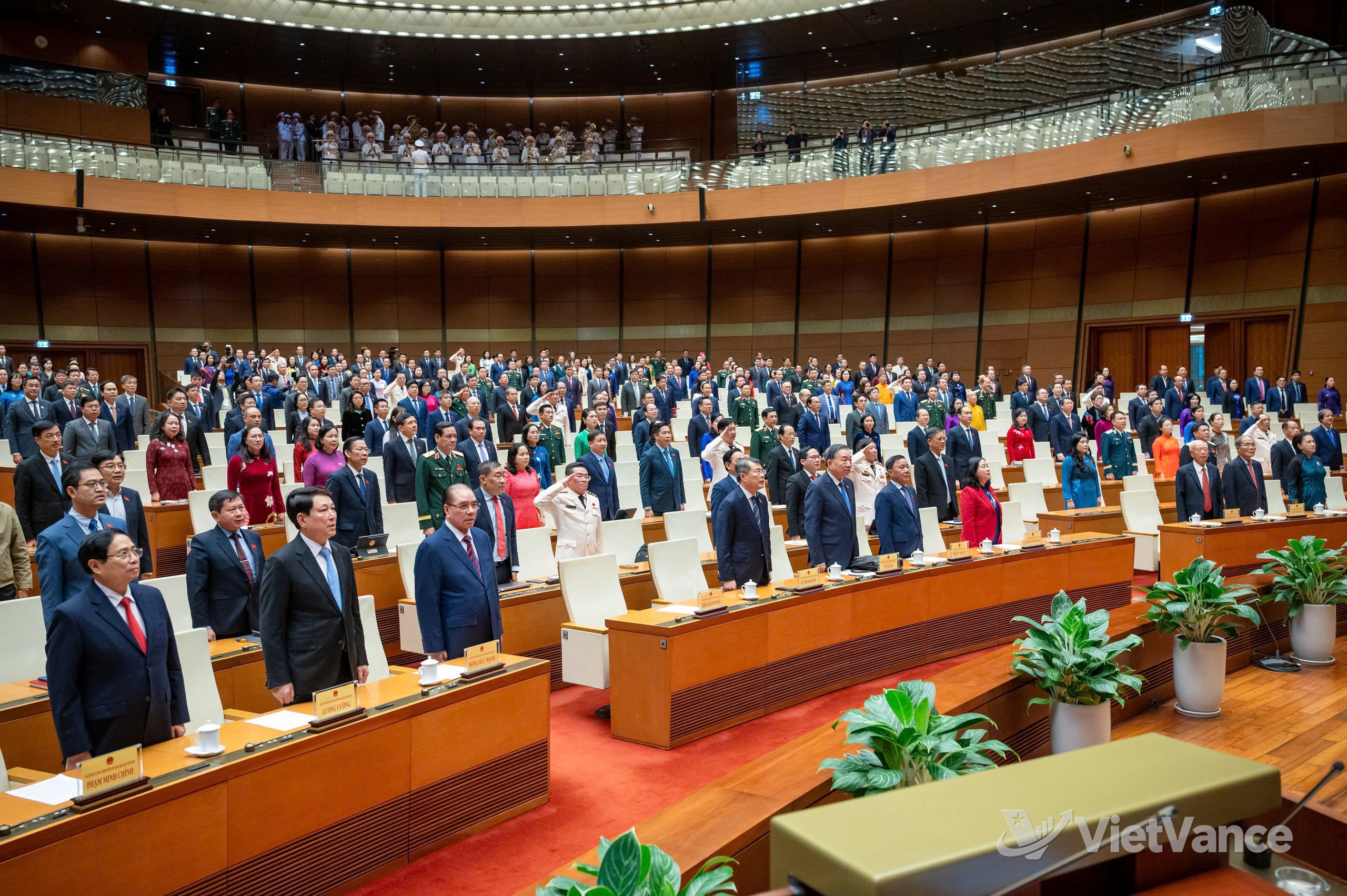
The second session of Vietnam’s 16th National Assembly.(VietVance)
The resolution calls on the government to proactively develop a plan to address population aging, pilot a “silver economy,” and improve social welfare and social insurance policies for digital platform workers and workers in the informal sector. It also permits regulatory documents issued under the relevant special mechanisms to remain in effect until no later than December 31, 2027. Documents issued before the restructuring of state agencies that have not expired remain valid, and organizations and individuals must not be required to replace them before they expire.
Source: VietVance