Gulf Companies Begin Repairs to Syria’s M5 Highway
A consortium of Saudi, Qatari and Kuwaiti companies has begun repairing Syria’s M5 highway. Syria is advancing plans for land transport links with neighboring countries, and routes through Syria have drawn greater attention since the Strait of Hormuz was blocked.

A consortium of companies from Saudi Arabia, Qatar and Kuwait has begun rebuilding Syria’s main road network. Syrian Transport Minister Yarub Badr said the consortium had repaired part of the M5 highway south of the capital, Damascus. The participating companies are Kuwait’s Combined Group Contracting Company, Saudi Arabia’s Al Rawaf Contracting Company, and Qatar’s Al Jaber Group and Al Mohannadi Group.
Speaking during the EU–Jordan Investment Conference on November 19, 2026, Yarub Badr said the M5 highway would undergo a comprehensive overhaul, with upgraded lighting, signs and safety barriers meeting international standards. Branch roads connecting the highway to the Bab al-Hawa and Bab al-Salama border crossings will also be restored. Part of the cost will come from the government’s $670 million allocation for road infrastructure over the next three years.
The M5 highway runs from the Jordan–Syria border through Damascus, Homs, Hama and Aleppo toward the Turkish border. It also connects to the M4 highway leading to the port city of Latakia. The route, once a main artery for container transport from Europe to the Middle East, was damaged by conflict. In April 2026, Syria, Türkiye and Jordan agreed to develop a north–south transport route. Saudi Arabia said a feasibility study for the related railway project would be completed by the end of 2026. The World Bank is expected to provide $200 million to repair the most severely damaged railway sections.
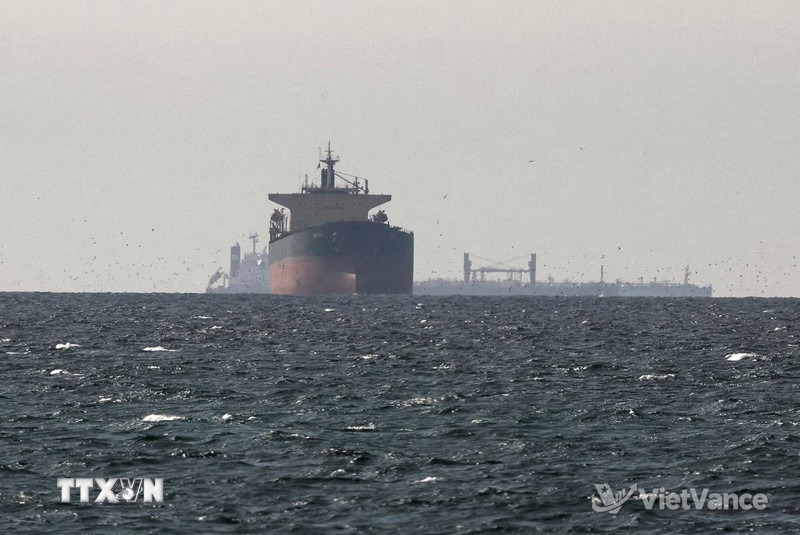
In May 2026, the United Arab Emirates also discussed with Syria a road linking the two countries through Iraq. Transport routes through Syria have drawn attention since Iran blocked the Strait of Hormuz, affecting global supplies of goods. If the plans are carried out, goods could reach Europe and other regions overland or through ports in Syria and Türkiye.
Source: VietVance