Hanoi Plans to Complete Five Urban Rail Lines by 2030, Adopts Special Mechanisms
Hanoi plans to complete and open five urban rail lines by 2030, with an estimated combined length of 253.5 km and 163 stations. The Hanoi People's Council has adopted a resolution adjusting mechanisms for land acquisition, turnkey contracts and financing to advance the projects. It takes effect on November 14, 2026.

Hanoi plans to complete and open five urban rail lines by 2030. In an interview, Nguyễn Bá Sơn, deputy director of the Hanoi Urban Railway Management Board (MRB), said lines 1, 2, 8, 10 and 14, for which MRB is responsible, are planned under turnkey contracts. They are expected to total about 253.5 km and have 163 stations. Advancing the projects simultaneously places substantial demands on construction management and technical coordination.
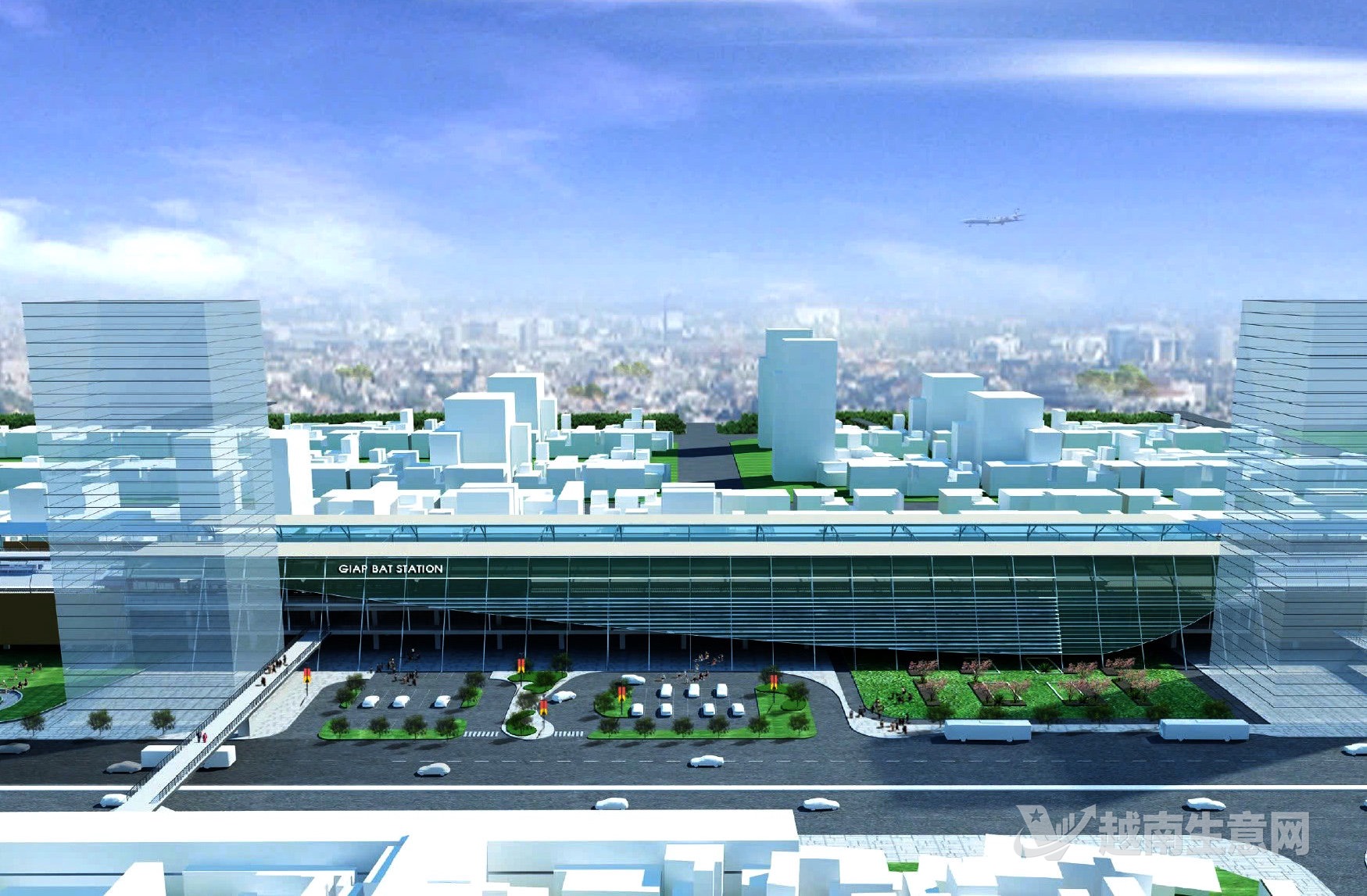
Rendering of Giáp Bát Station on Hanoi urban rail line 1.(VietVance)
On November 4, 2026, the Hanoi People's Council adopted Resolution No. 101/2026/NQ-HĐND to pilot special mechanisms for investment in and construction of urban rail lines. The resolution takes effect on November 14. Under it, land acquisition compensation, resettlement and the relocation of technical infrastructure can proceed directly on the basis of project assignments and approved plans, without separately preparing and approving a land acquisition subproject. Commune- and ward-level authorities are responsible for implementation and for meeting site handover deadlines.
Under turnkey contracts, contractors are responsible for surveys, design, construction, equipment installation, trial runs and handover, while MRB is responsible for inspection, supervision and system safety management. For the contracted Vinhomes-SGC consortium, MRB retains the right to refuse acceptance if the contractor fails to correct identified problems. The average contract price for underground sections is capped at US$120 million per kilometer, excluding value-added tax, land acquisition and certain costs borne by the project owner.
The resolution also allows the Hanoi People's Committee to decide and adjust the funding structure and financing plans. It requires strategic contractors to open accounts for receipts and payments at commercial banks headquartered in Hanoi and provide the project owner with account balances and transaction records every two weeks. Land development and transit-oriented development are also listed as supplementary funding sources.
Nguyễn Bá Sơn said the lines must form an interconnected network, with technology procurement contracts clearly specifying requirements for handing over data, software and technical documents. MRB recommends that Hanoi promptly detail rules on land acquisition, payment oversight, digital transformation and staff training, while accelerating the relocation of underground and above-ground infrastructure to hand over construction sites.
Source: VietVance