Ho Chi Minh City real estate service revenue rose 10.8% in the first 10 months of 2026
Ho Chi Minh City’s real estate service revenue was estimated at VND 373.011 trillion in the first 10 months of 2026, up 10.8% year on year. Revenue related to houses and land rose 20%. The city has resolved obstacles for 361 stalled projects, though an expert says the market’s recovery remains at an early stage.

According to Ho Chi Minh City’s statistics agency, revenue from real estate business services was estimated at VND 373.011 trillion from January to October 2026, up 10.8% year on year and accounting for more than 56.6% of total revenue from other services. Retail sales of wood and building materials exceeded VND 97 trillion over the same period, up 28% year on year.
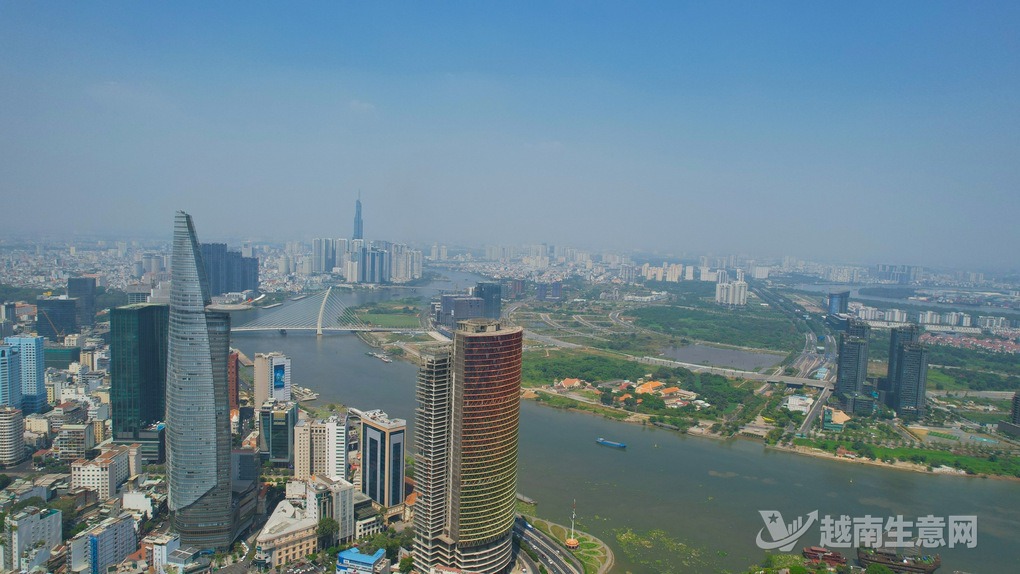
Real estate in central Ho Chi Minh City, looking toward the Thủ Thiêm New Urban Area.(VietVance)
Over the same period, fiscal revenue related to houses and land was estimated at VND 78.917 trillion, up 20% year on year. It accounted for more than 10% of state budget balancing revenue and exceeded 67% of the full-year estimate. Among budget-funded investments managed by local authorities, cumulative funding from the land-use fund was estimated at VND 30.702 trillion, up 51% year on year and reaching 43% of the annual plan.
Ho Chi Minh City has reviewed 921 long-stalled projects and resolved obstacles for 361 of them, or 39%. It has identified approaches for handling the remaining 560 projects. Compensation and resettlement work for land acquisition at three key projects is also largely complete, with land handover rates of 98% to 100%.
Economic expert Lê Bá Chí Nhân said growth in real estate service revenue and land-related fiscal revenue shows the market is gradually recovering, but is not yet enough to confirm that it has entered a sustainable growth cycle. He said restarting projects could stimulate construction, building materials and related services, and recommended classifying the remaining projects by legal, planning, land and financial obstacles.
He also recommended reforming the land pricing system and prioritizing affordable housing, social housing and projects that can be implemented immediately. Although funding from the land-use fund rose year on year, it reached only 43% of the annual plan. He said legal procedures, land pricing and project progress continue to constrain revenue collection; faster land price assessments, auctions of legally eligible plots and settlement of projects’ financial obligations could help increase revenue.
Source: VietVance