Ho Chi Minh City’s Property Market Faces a Housing Supply and Demand Mismatch
Real estate business services revenue in Ho Chi Minh City rose 10.8% in the first 10 months of 2026, but the housing market faces a mismatch between available homes and residents’ ability to pay. Industry experts point to housing supply, converting land into viable projects and sustained cash flow from commercial property as key issues for the market.

In the first 10 months of 2026, revenue from real estate business services in Ho Chi Minh City reached VND 373.011 trillion, up 10.8% year on year; land-related government revenue rose 20%. Meanwhile, the absorption rate for apartments in the primary market was just 25%, compared with 27% for townhouses and villas. Revenue growth does not necessarily translate into a greater value-added contribution from real estate to gross regional domestic product, nor does it fully reflect how efficiently land and capital are used.
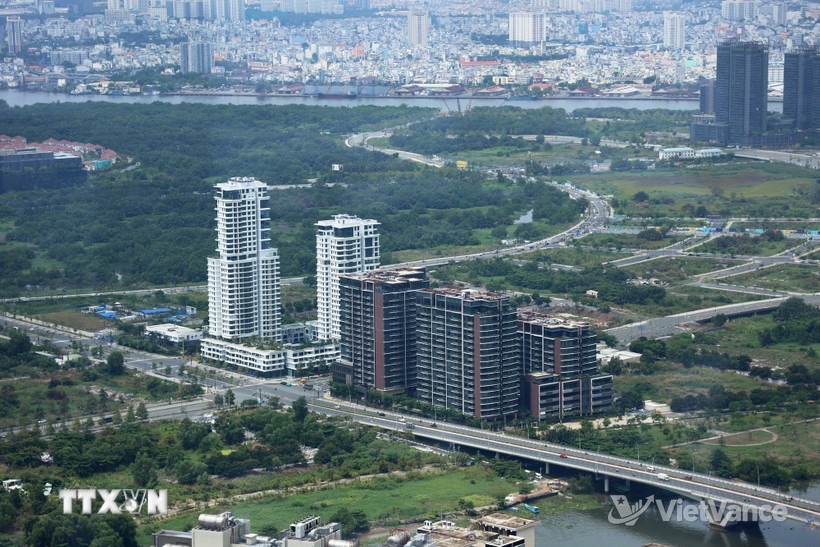
A property project in Ho Chi Minh City’s Thủ Thiêm urban area.(VietVance)
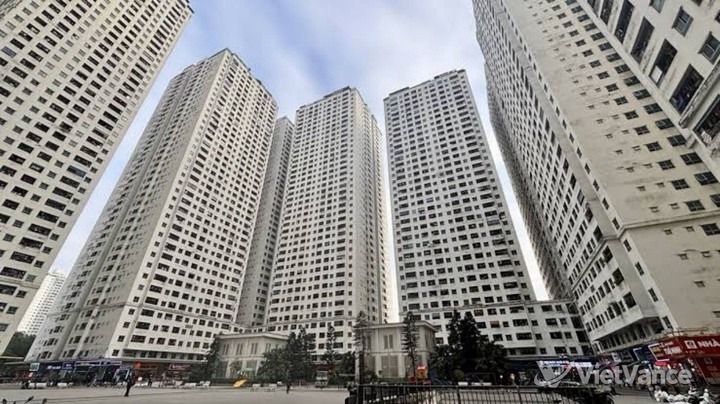
Experts at Avison Young Việt Nam say the main challenge for Ho Chi Minh City’s housing market is the gap between the mix of homes on offer and residents’ ability to pay: mid-range and high-end properties account for a large share, while affordable housing is in short supply. Floating mortgage rates of 12% to 15% and rental yields of about 2% to 4% are putting pressure on homebuyers and investors. The firm expects competition among projects to intensify as new supply enters the market from 2027 to 2030; developers are adjusting floor areas, designs and handover standards to lower the total price of each home.
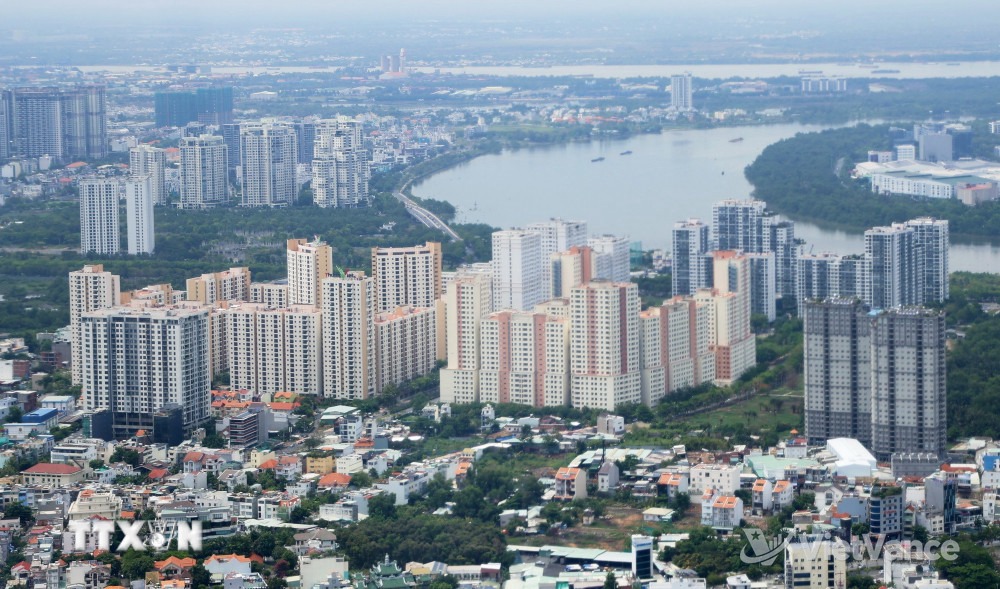
Affordable and mid-range apartment buildings in Ho Chi Minh City.(VietVance)
Sử Ngọc Khương, a senior director in the investment division at Savills Việt Nam, said some land holdings aligned with urban development plans cannot yet be developed into commercial housing because they lack a residential land component. He said the current mechanism for acquiring land-use rights is one obstacle to turning land into projects, while longer approval times could raise developers’ financing costs and ultimately affect home prices.
In commercial real estate, Avison Young Việt Nam says the investment value of offices, retail properties and industrial real estate increasingly depends on tenant quality, operating efficiency and long-term cash flow. After six months of operation, Ho Chi Minh City’s International Financial Centre had recorded about USD 20 billion in committed capital from domestic and foreign investors and partners. Thanh Phạm, head of research and consulting at CBRE in Ho Chi Minh City, said it will take time for those commitments to become actual demand for office space: organizations typically need 12 to 24 months to complete procedures, recruit staff and choose premises.
In industrial real estate, Ho Chi Minh City attracted USD 19.1 billion in foreign direct investment in the first 10 months of 2026, exceeding its full-year target by nearly 74%. A gap remains between investment commitments and projects put into practice. Beyond land rents, the competitiveness of industrial parks depends on energy and logistics infrastructure, operating standards and the speed of administrative procedures.
Source: VietVance