Ho Chi Minh City Plans 65,000–85,000 Hectares of Priority Urban Development Areas
Ho Chi Minh City has unveiled its 2025–2050 master plan, proposing 65,000–85,000 hectares of priority urban development areas for innovation, technology, strategic infrastructure and services. The plan sets out a multicenter urban structure and projects a population of about 27 million by 2050.

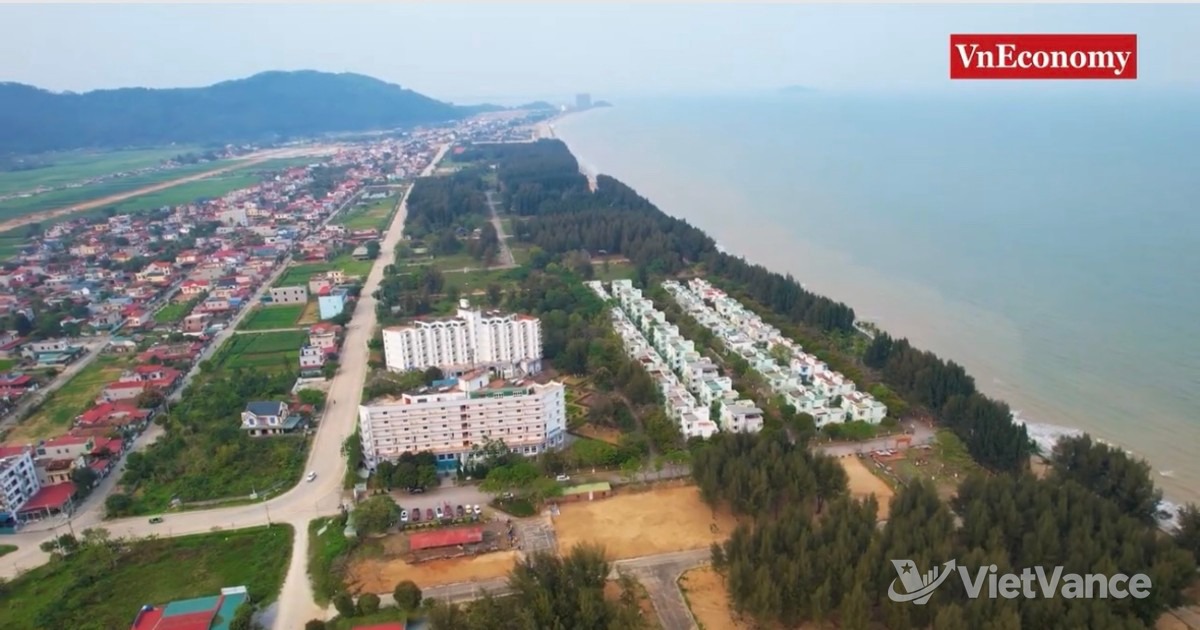
The Ho Chi Minh City government unveiled its 2025–2050 master plan, with a 100-year vision, on November 23. Under the plan approved on October 31, 2026, the city proposes to designate about 65,000–85,000 hectares as priority urban development areas. These areas have substantial land reserves that could be repurposed or restructured to accommodate strategic city functions. Their selection will take into account location, natural conditions and transport connectivity.
The priority areas have four groups of functions: digital services, artificial intelligence, a regional finance and business center, and advanced manufacturing; biopharmaceuticals, robotics, the low-altitude economy, research and development, and data centers; energy, advanced logistics centers, and urban infrastructure; and tourism, upscale entertainment, modern retail, education, and healthcare services.
The plan allows priority development areas to contain one or more functional zones and to incorporate urban residential uses. Where residential uses are included, land allocated to housing, public services, public green space and infrastructure must meet the city's development targets. The plan also requires limits on the scale of residential uses and gives priority to social housing.
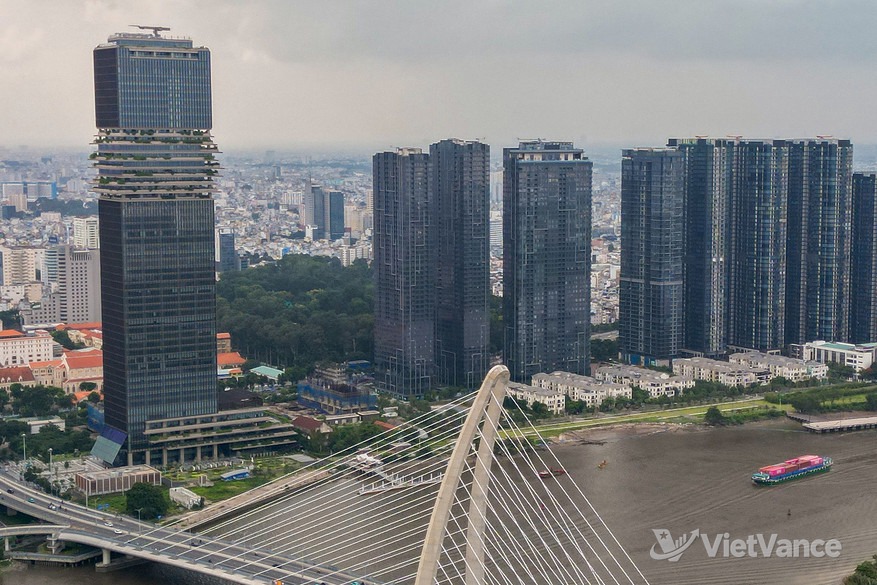
The city's urban space is to be organized around multiple poles and centers, including five growth poles, five satellite centers, five strategic linkage systems and ten development management regions. The five growth poles focus respectively on finance and international services, eastern innovation, northern industry and logistics, southern ports and energy, and western urban services, education and healthcare. The development management regions will coordinate the distribution of population, jobs and infrastructure without creating a new administrative tier.
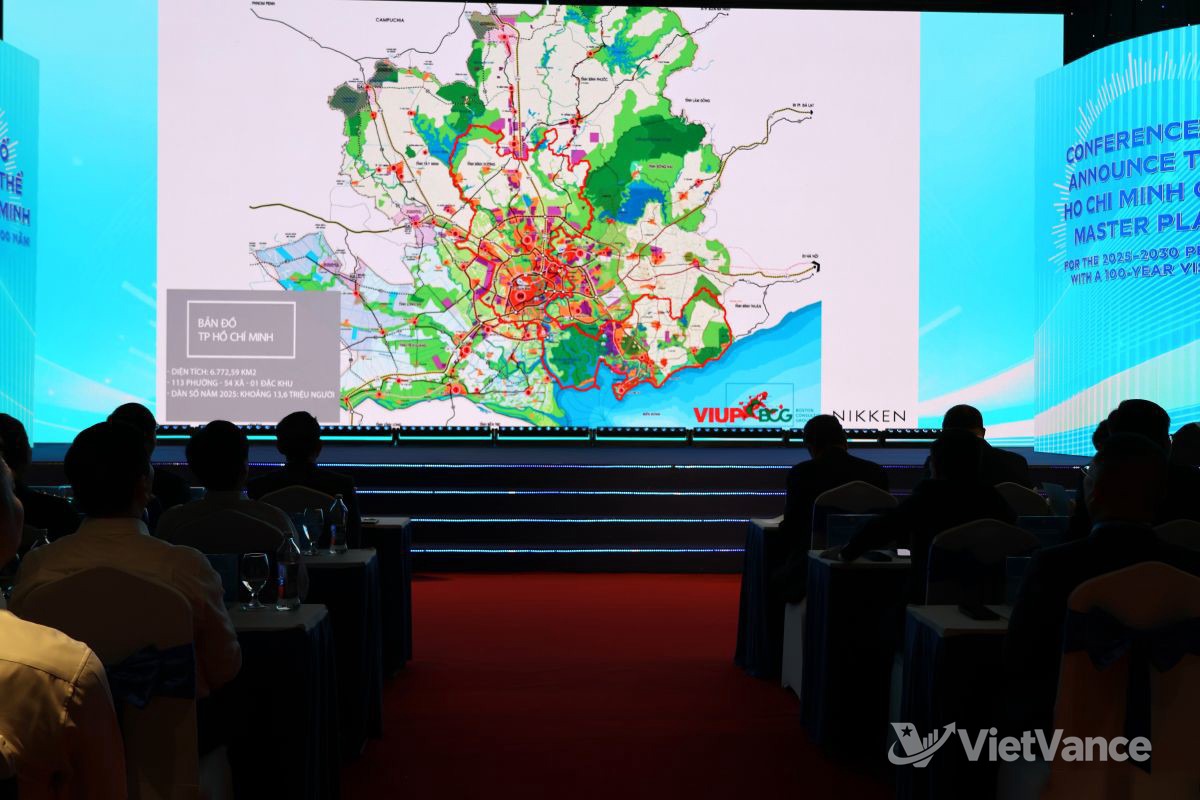
Map of Ho Chi Minh City's master plan with a 100-year vision.(VietVance)
The plan projects Ho Chi Minh City's population at about 18 million in 2030 and about 27 million in 2050. These figures include permanent residents, temporary residents staying more than six months and a converted population count. Urban development areas across the city are expected to cover 240,000–265,000 hectares by 2050; this citywide figure differs from the 65,000–85,000 hectares designated for priority development areas.
Source: VietVance