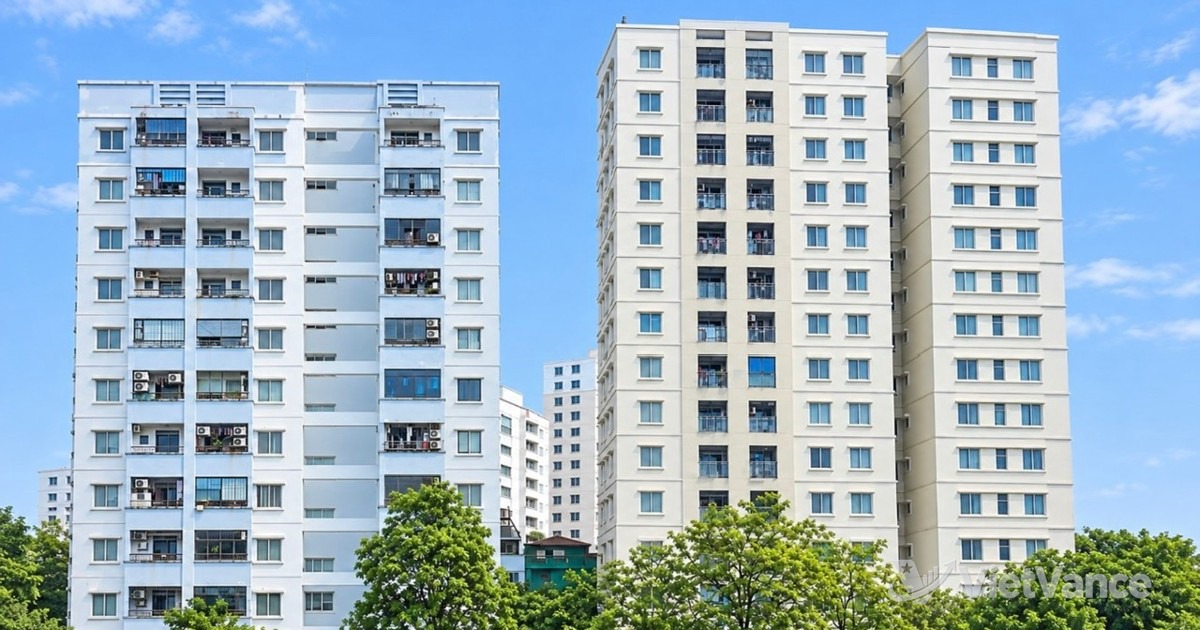
Vietnam’s Senior Living Property Market Forecast to Reach $3.6 Billion by 2032
Vietnam’s senior living property market is forecast to grow from about $2.3 billion in 2024 to $3.6 billion by 2032. An aging population is driving demand for housing and care, but limited facilities and trained staff, along with legal, land, financing and service access barriers, continue to constrain investment.

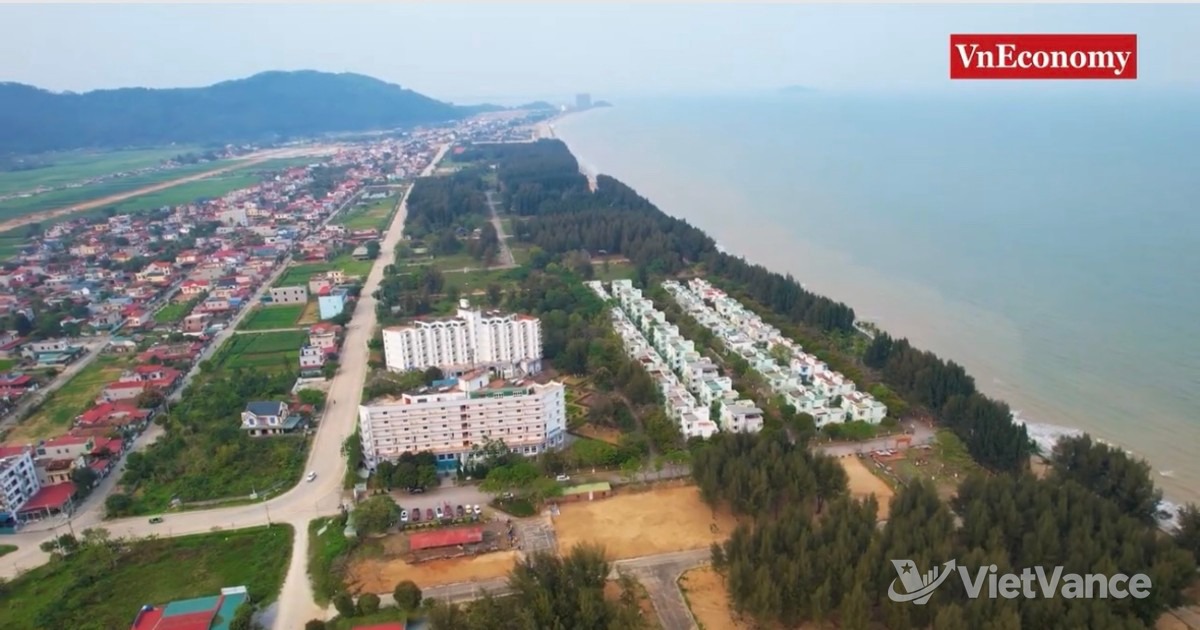
Vietnam’s senior living property market is forecast to grow from about $2.3 billion in 2024 to $3.6 billion by 2032. The market’s expansion is linked to population aging, but barriers involving legal issues, land, financing and access to services still need to be addressed. Whether investment projects can meet older people’s actual ability to pay is also an important question.
Vietnam currently has nearly 16.5 million people aged 60 and over. The country has about 220 elder care facilities serving around 15,000 people, leaving a gap between existing capacity and potential demand. Older people’s needs for housing, healthcare, rehabilitation, insurance and assistive technology also make related services part of the silver economy.
The care workforce is another constraint on market development. Vietnam has nearly 135,000 volunteers providing healthcare support for older people, but most have not received professional training; about 7,849 healthcare workers have received training in geriatric medicine. Expanding specialist training and establishing professional standards for care are necessary to improve service capacity.
According to the Asian Development Bank, effectively developing the silver economy’s potential could contribute up to 1.1% of Vietnam’s gross domestic product, equivalent to more than $5.6 billion based on the size of the economy in 2025. At the same time, about 42% of older people currently receive a pension, social insurance benefits or retirement allowances. The development of senior living property also needs to be linked to broader insurance coverage and access to care services.
Source: VietVance