Vietnam’s Southeast Reshapes Industrial Landscape, Opening Supply Chain Opportunities for Supporting Industries
Vietnam’s Southeast is reshaping its industrial landscape to develop supply chains across provinces, particularly in electronics and machinery. Dong Nai attracted 14 new foreign invested supporting industry projects in the first half of 2026, while Ho Chi Minh City’s industrial production index rose 11% year on year in the first 10 months. Local firms’ ability to join supply chains still depends on their technology, quality and delivery capabilities.

Under Prime Ministerial Decision No. 615/QĐ-TTg, Vietnam is adjusting its Southeast regional plan for 2021–2030, with a vision to 2050. The plan aims to link industrial clusters with transport, logistics, ports, airports and other infrastructure, creating conditions for supporting industry firms to expand supply across provinces. It calls for industrial parks to develop alongside industrial clusters, an ecosystem of supporting industry firms and economic corridors.
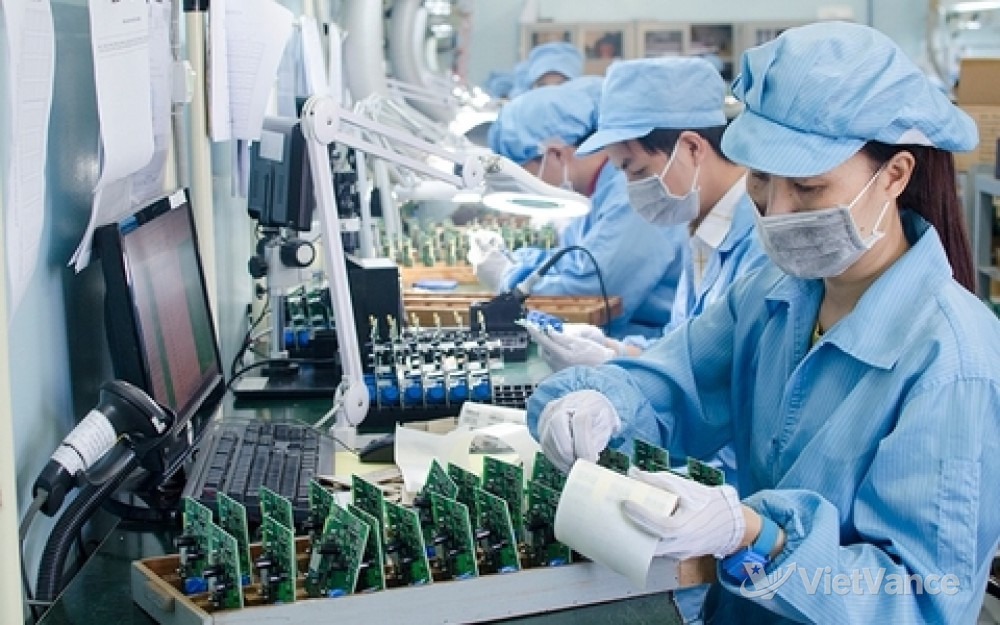
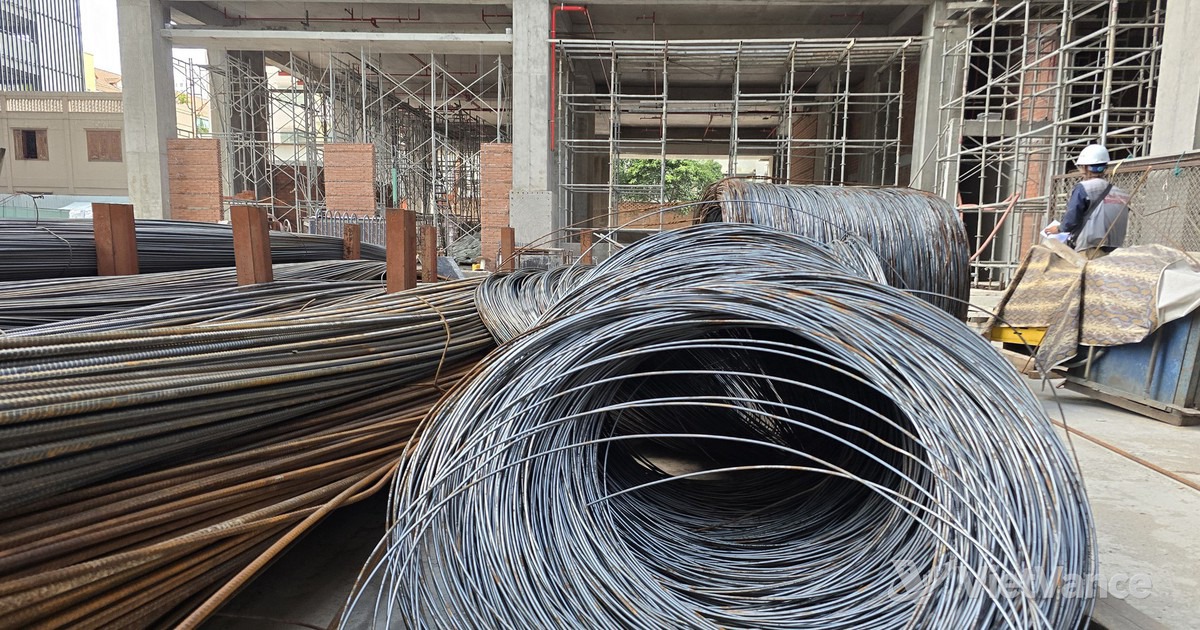
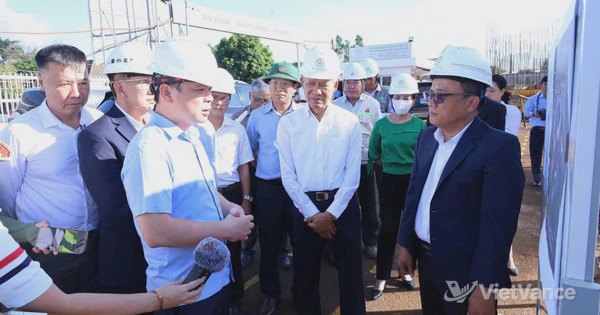
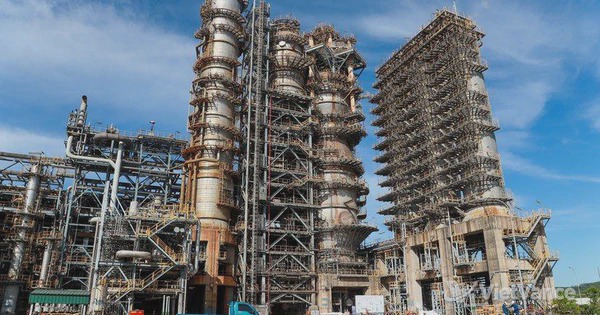
Illustration of industrial development in Vietnam’s Southeast.(VietVance)
Under the plan, electronics and digital technology industries will be concentrated in Ho Chi Minh City and southern Dong Nai; machinery manufacturing and the production of equipment and transport vehicles will be located in Ho Chi Minh City, southern Dong Nai and southern Tay Ninh. Petrochemicals, chemicals, textiles and garments will also be distributed according to regional strengths. The resulting production activity will drive demand for components, molds, precision machining, engineering plastics, raw and auxiliary materials, and equipment.
According to the Dong Nai Industrial Parks and Economic Zones Authority, Dong Nai attracted 14 new foreign investment projects in supporting industries in the first half of 2026, accounting for 34.15% of newly approved projects during the period. Their registered investment totaled US$427.99 million, or 65.93% of newly registered investment. The projects mainly involve electrical and electronic components, machinery manufacturing, plastic products and prefabricated metal products.
Ho Chi Minh City’s industrial production index rose 11% year on year in the first 10 months of 2026. Manufacturing and processing grew 11.4%, while the machinery sector grew 14.7%. The city is working to connect leading firms in industrial supply chains with domestic suppliers, initially focusing on machinery, electronics and information technology. As production centers take on more specialized roles, suppliers may be able to serve factories in multiple provinces and cities.
However, registered investment does not amount to actual supply capacity. To enter the supply chains of major manufacturers, domestic firms must meet requirements for consistent quality, on time delivery, cost and technical standards. Transport links can help expand their service areas, while the sharing of information among localities on component needs, technical standards and companies’ production capacity will also affect whether supply chains across provinces can take shape.
Source: VietVance