How to Read “Long-Term” and “-/-” on a Vietnamese Apartment Ownership Certificate
For apartments built on residential land in Vietnam, certificates usually list the land-use term as “Long-Term” and show “-/-” when no apartment ownership term is specified. The often-cited 50 years refers to a building’s minimum structural design life, not the apartment ownership term. Buyers should also check the land-use purpose, form of use and project documents.

When buying an apartment built on residential land in Vietnam, two terms on the ownership certificate should be read separately: the land-use term is usually listed as “Long-Term,” while the apartment ownership term is marked “-/-” if no term has been specified. These entries refer to land-use rights and home ownership, respectively; “-/-” should not be read as an ownership expiry date.

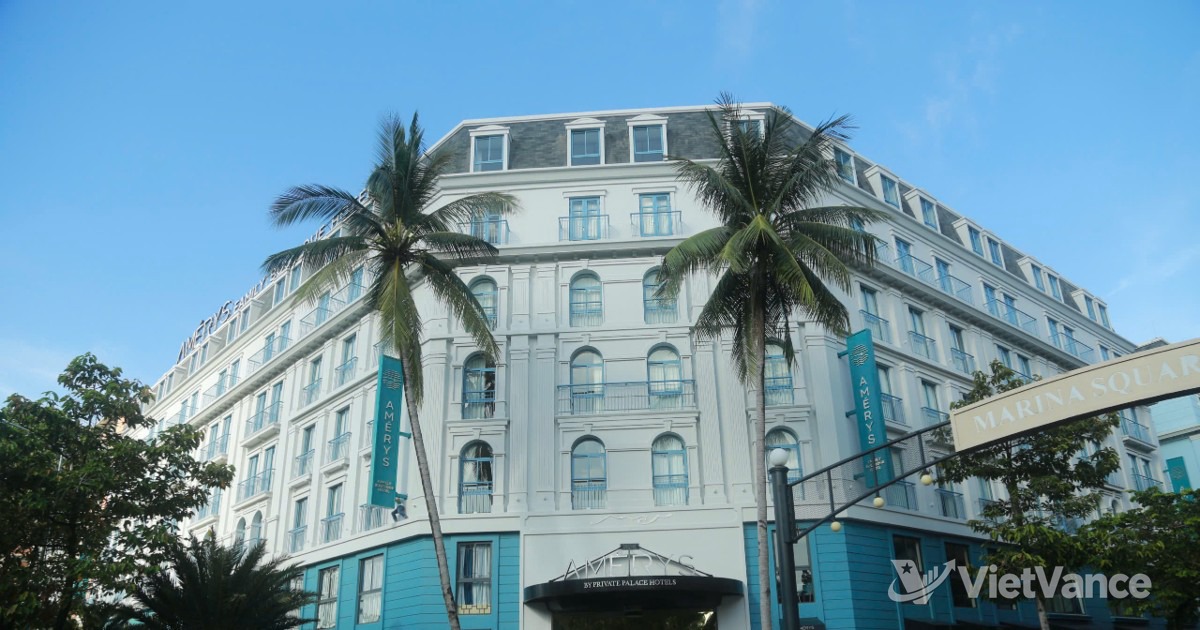
Buyers should distinguish between the apartment ownership term and the land-use term recorded on the ownership certificate.(VietVance)
Under Circular No. 10 of 2024 issued by Vietnam’s Ministry of Natural Resources and Environment, as amended in 2025, the certificate records the land parcel and assets attached to the land separately. After the developer sells the first apartment, the form of land use is recorded as shared use by the apartment owners. Vietnam’s 2024 Land Law classifies residential land as land used on a long-term, stable basis, so the land-use rights attached to an apartment built on residential land have no end date recorded on the certificate.
The section on assets attached to the land records information including the apartment’s name, area and form of ownership. An expiry date is entered in the ownership-term field only when a defined ownership term applies under the contract or housing law; when no term can be determined, the field shows “-/-”. Current housing law does not prescribe an apartment ownership term. A draft amendment to the Housing Law submitted by the government to the National Assembly has also removed a provision in earlier drafts that would have limited ownership until the building must be demolished. If passed, the amended law is expected to take effect on July 1, 2027.
The often-cited 50 years is the minimum structural design life under building standards, not the apartment ownership term on the certificate. Under the draft amendment, a building must be inspected when it reaches the end of its design life and may remain in use if it meets safety requirements. Separately, under the 2024 Land Law, land allocation or lease terms for investment projects generally do not exceed 50 years; for some projects with operating terms longer than 50 years, the limit is 70 years. The land-use term for a project on commercial or service land may therefore be listed as “50 years”.
Buyers can check the certificate’s land-use purpose, land-use term, form of use and apartment ownership term. If the entries for an apartment on residential land differ from “residential land,” “Long-Term,” “shared use” and “-/-,” buyers should compare them with the sale contract and project records before proceeding with a transaction.
Source: VietVance