Vietnam Looks to APEC for High-Tech Investment and Supply Chain Partnerships
At the 2026 APEC meetings in Shenzhen, Vietnam sought high-tech investment and regional supply chain partnerships. Its Ministry of Industry and Trade plans to connect domestic companies with investors and buyers, while experts say firms must improve their technology, quality management and production capacity to turn opportunities into orders.

During his November 17–20 visit to China, Communist Party of Vietnam General Secretary and State President Tô Lâm attended the 33rd APEC Economic Leaders’ Week in Shenzhen and took part in bilateral activities. Vietnam will host APEC in 2027. APEC’s 21 member economies account for 77% of Vietnam’s trade, nearly 81% of its direct investment and more than 85% of its inbound tourists; 17 of the other 20 members are Vietnam’s free trade agreement partners.
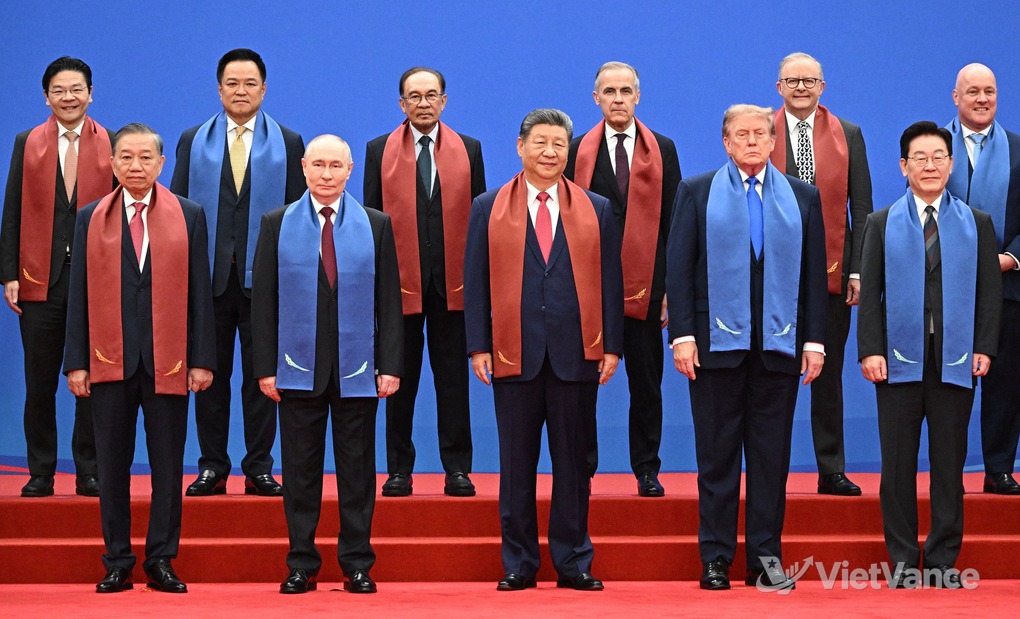
Tô Lâm poses with leaders of APEC member economies in Shenzhen, China, on November 19.(VietVance)
Vietnamese Deputy Minister of Industry and Trade Lương Hoàng Thái said the Shenzhen meetings and bilateral talks gave Vietnam an opportunity to present prospects for cooperation in high technology, semiconductor chip manufacturing, supporting industries, renewable energy and logistics infrastructure. He said high-level exchanges could strengthen international businesses’ confidence in Vietnam’s economic prospects and attract more high-quality foreign direct investment. Lê Duy Bình, head of Economica Vietnam, also sees scope for Vietnam to expand cooperation in semiconductors, artificial intelligence and clean energy.
Lê Việt Quý, an expert at the Institute for Research and Development of Vietnamese Resources, said APEC cooperation could lower companies’ cross-border trade costs by aligning standards, digitizing documents and simplifying customs procedures, helping small and medium-sized enterprises make better use of existing free trade agreements. He stressed that Vietnam also needs stronger links between foreign investment and domestic manufacturing capacity to raise productivity and added value.
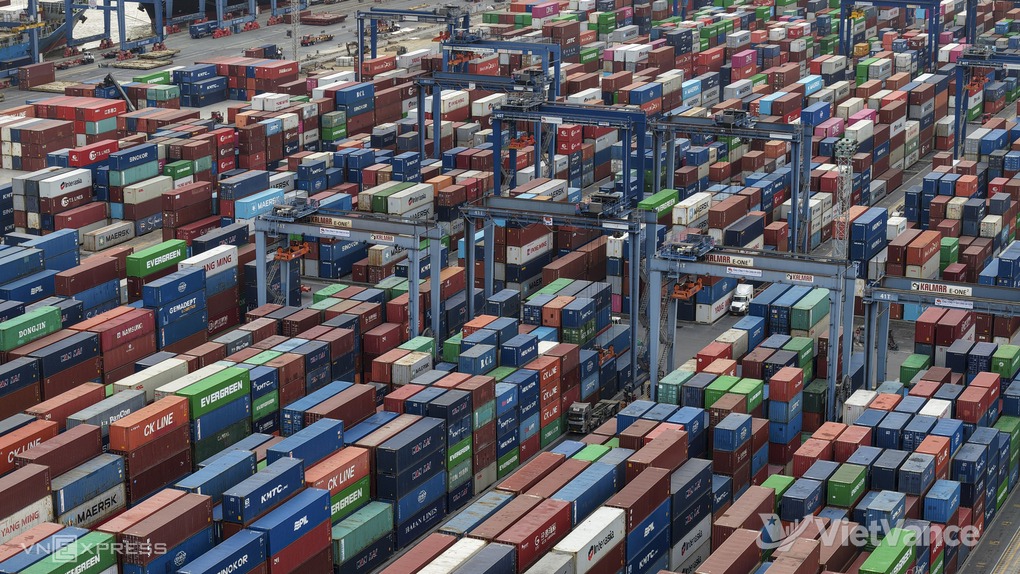
Shipping containers at Cát Lái Port in February 2026.(VietVance)
Lương Hoàng Thái said Vietnam’s Ministry of Industry and Trade would work with investors to determine their requirements for components, raw materials and supplier standards, then connect domestic companies with them and provide technical support. For the Chinese market, the ministry plans to link companies with importers, retailers and e-commerce platforms and help them understand requirements for quality, traceability, product registration and customs clearance.
Whether Vietnamese companies can win orders from leading regional firms still depends on their technology, quality management, production capacity and ability to deliver. Lê Duy Bình said domestic companies still face gaps in core technology, large-scale production and highly skilled personnel. Around APEC 2027, Vietnam plans to hold events in multiple locations from December 2026 to November 2027, allowing investors to inspect infrastructure, industrial parks and projects. Experts recommend measuring subsequent results through indicators such as investment capital actually disbursed, contracts implemented and the number of new domestic suppliers.
Source: VietVance