Vietnam Raises SME Revenue Ceiling to VND 400 Billion
Vietnam’s National Assembly passed the Law on Small and Medium Enterprise Development on November 20, raising the annual revenue ceiling for SMEs to VND 400 billion and expanding tax and land rent support. The law takes effect on July 1, 2027, while the criteria for tax incentives apply from the 2027 tax year.

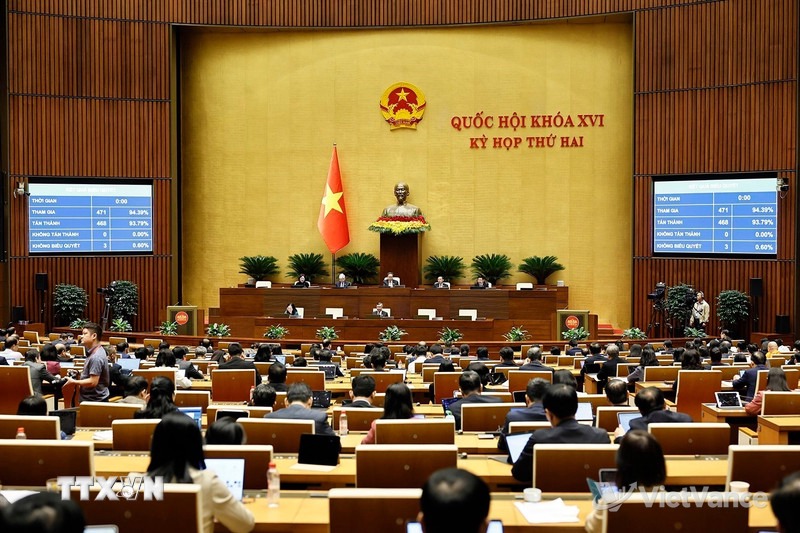
Vietnam’s National Assembly passed the Law on Small and Medium Enterprise Development on the morning of November 20, with all lawmakers present voting in favor. The new law raises the previous year’s revenue ceiling for qualifying as a small or medium enterprise (SME) to VND 400 billion, VND 100 billion above the current threshold. The law is set to take effect on July 1, 2027; the eligibility criteria used to determine whether businesses qualify for tax incentives will apply from the 2027 tax year.
Justice Minister Hoàng Thanh Tùng, acting on the prime minister’s authorization, presented revisions to the bill to the National Assembly. Under the new law, a business must have no more than 300 employees and meet either of two criteria: total capital of no more than VND 150 billion or revenue of no more than VND 400 billion in the previous year. Compared with current law, the employee limit rises by 100 and the capital ceiling by VND 50 billion. SMEs will also be classified by sector: agriculture, forestry and fisheries; industry and construction; or trade and services.
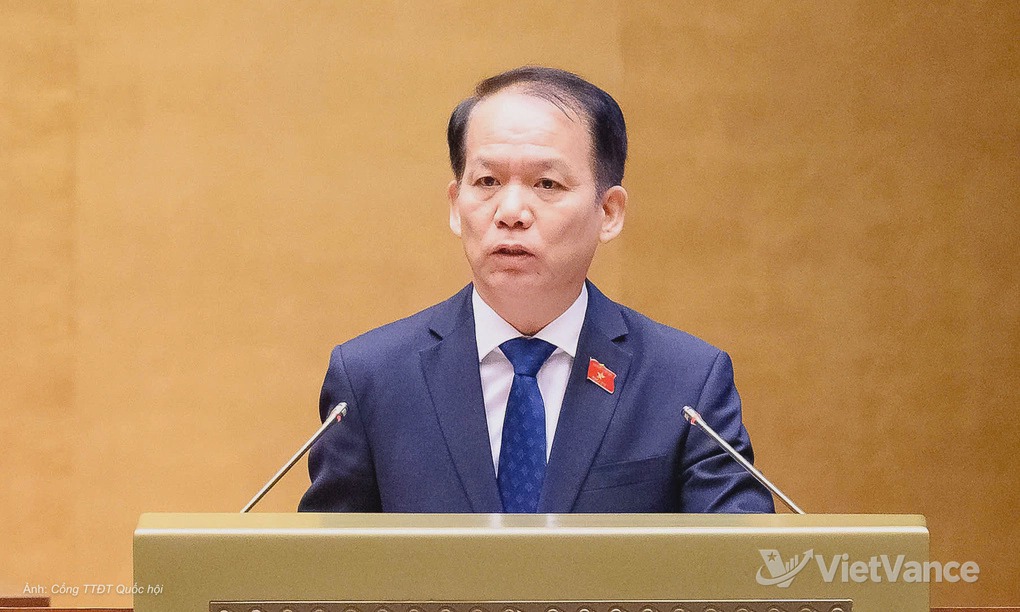
Vietnam’s justice minister presented revisions to the bill to the National Assembly on the morning of November 20.(VietVance)
The new law provides for paper or electronic vouchers that SMEs can use to pay for goods, services and solutions needed for their development. SMEs may also qualify for a corporate income tax rate below the usual rate and a tax exemption during their initial period after establishment. Businesses with annual revenue of no more than VND 10 billion may choose between two methods of calculating corporate income tax; microenterprises will be subject to simplified accounting rules and tax procedures.
For production and business premises, SMEs will receive a reduction of at least 30% in land sublease payments for the first five years after signing a contract with the developer of an industrial park, industrial cluster or incubation facility. The state will reimburse the developer for the subsidy or issue vouchers to the business. The state will also give SMEs priority in publicly funded procurement contracts worth no more than VND 20 billion.
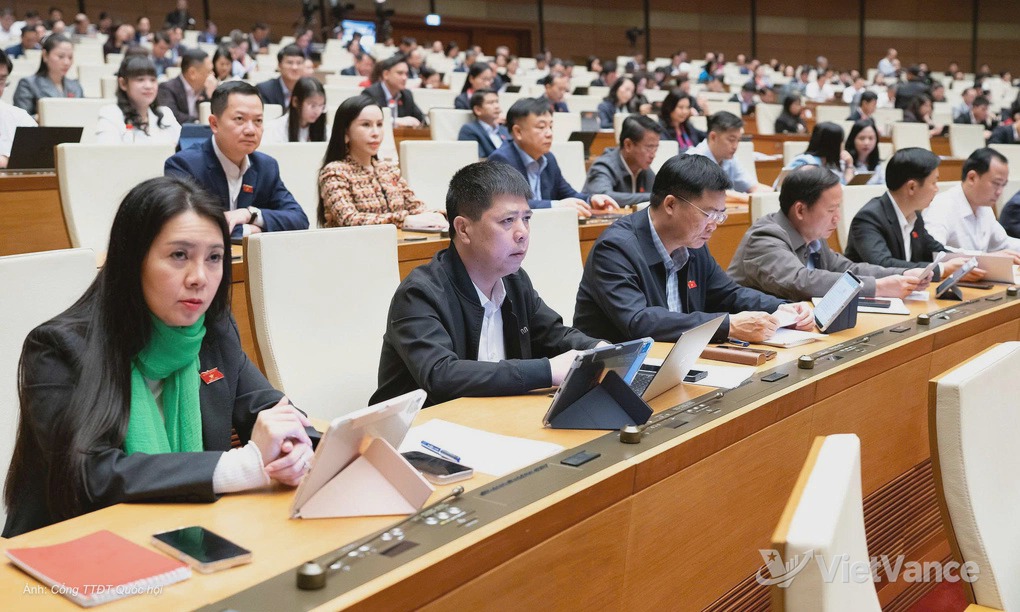
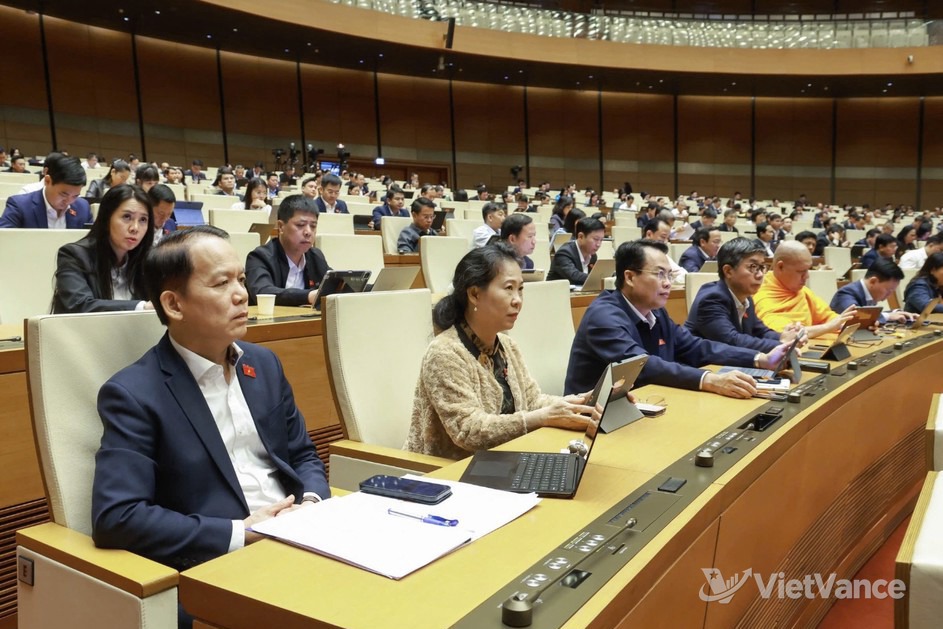
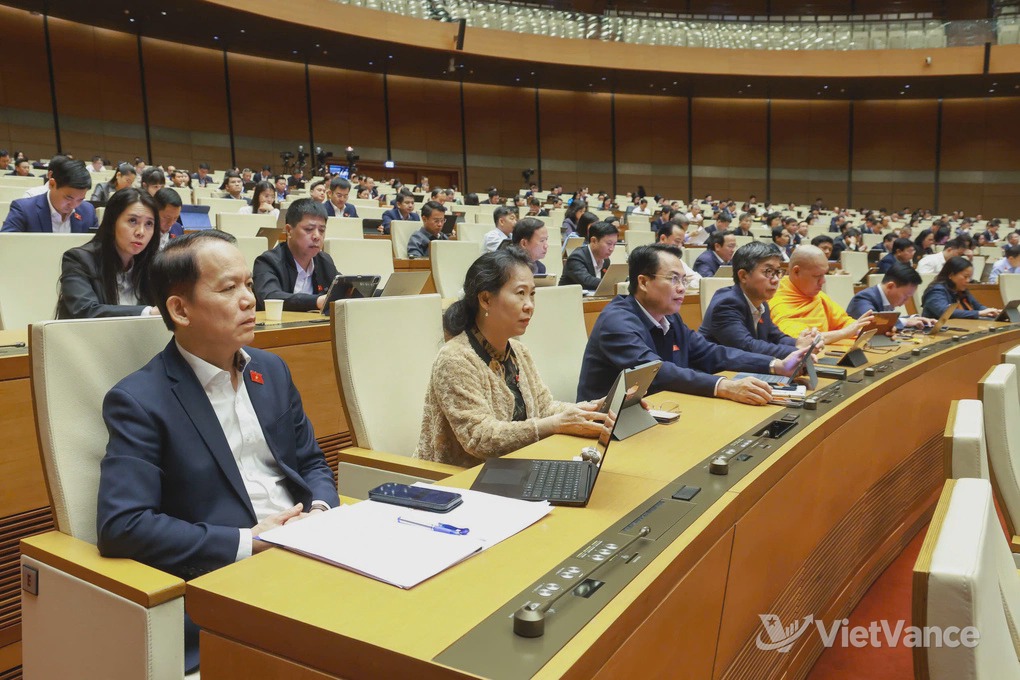
Vietnamese National Assembly lawmakers vote during a session on the morning of November 20.(VietVance)
Household businesses that convert into SMEs may use the tax filing, accounting and simplified reporting rules for microenterprises for 36 months. They are not required to appoint a chief accountant; the business owner may keep the accounts personally or assign the work to a family member.
Source: VietVance