Vietnam plans to introduce emissions allowance auctions in 2029
Vietnam is drafting climate change regulations to improve greenhouse gas emissions accounting, allowance allocation and carbon credit standards. Under the proposal, allowances would continue to be allocated in 2027–2028, with auctions added to the allocation system from 2029.

Vietnam’s Ministry of Agriculture and Environment held a consultation on November 10 on draft climate change regulations. The draft proposes improvements to greenhouse gas emission allowance allocation and auctions, as well as domestic carbon credit standards. Under the proposed timetable, allowances would continue to be allocated to eligible facilities in 2027–2028, with auctions added to the allocation system from 2029.
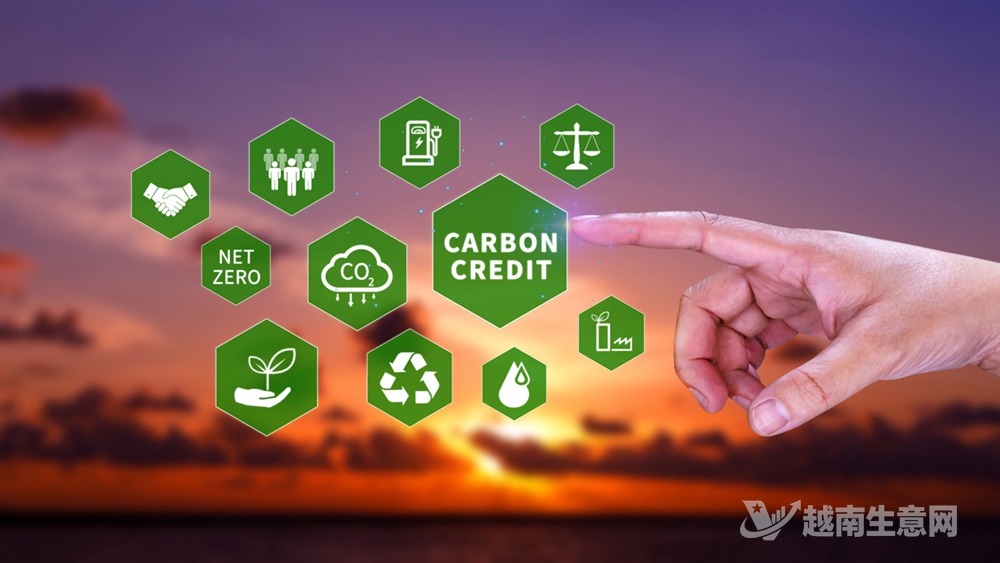
Vietnam plans to improve its climate change regulations, providing a regulatory basis for businesses to cut emissions and pursue a green transition.(VietVance)
Under the draft, facilities emitting at least 3,000 tonnes of carbon dioxide equivalent annually would be required to conduct greenhouse gas emissions inventories. Some facilities in the energy, industrial, transport, commercial and waste treatment sectors would also be required to do so if they meet the prescribed criteria. The draft also proposes a mechanism for measurement, reporting and verification under national standards, providing a data basis for recognizing emissions reductions, allocating allowances and trading on the carbon market.
To address unusual fluctuations in trading prices or severe imbalances in allowance supply and demand, the draft proposes adjusting the timing and volume of allowance auctions, releasing reserve allowances to increase supply, and strengthening oversight of trading. Domestic carbon credit standards are intended to make emissions reduction outcomes more verifiable and prevent the same reductions from being counted twice.
At the consultation, a Ministry of Industry and Trade representative said the allowance allocation pilot for thermal power, steel and cement facilities still faces problems, including inconsistent underlying data and calculation methods. The drafting committee said it plans to revise the independent verification requirements so that facilities required only to conduct emissions inventories, and not allocated allowances, would not have to undergo mandatory independent verification, reducing compliance costs for businesses.
Source: VietVance