Vietnam proposes revised maritime and inland waterways code with a 100-year planning outlook
The Vietnamese government submitted a draft revised maritime and inland waterways code to the National Assembly on November 11. The draft would combine two existing laws, add a 100-year planning outlook for related infrastructure, and, once the code and implementing regulations take effect, abolish 54 administrative procedures and reduce the number of conditional business sectors by seven.

On the morning of November 11, Vietnam’s Minister of Construction Trần Hồng Minh, acting on behalf of the prime minister, submitted a draft revised Maritime and Inland Waterways Code of Vietnam to the National Assembly. The 21-chapter, 318-article draft is based on a merger of the existing Vietnam Maritime Code and Law on Inland Waterway Traffic. It covers vessel management, waterway transport safety and infrastructure investment.
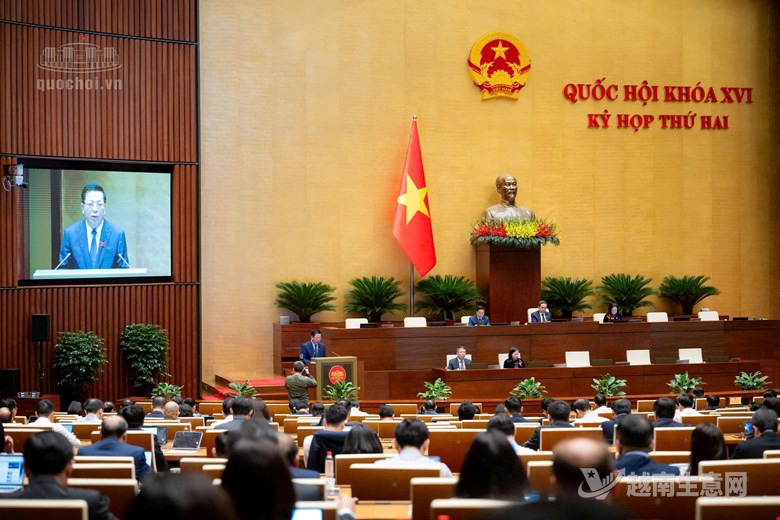
The National Assembly session on the morning of November 11.(VietVance)
The draft would further delegate state management of inland waterways to provincial authorities, except for the preparation, approval and management of national plans. Under the proposal, the code and its implementing regulations would abolish 54 administrative procedures, simplify the remaining procedures and reduce the number of conditional business sectors by seven. Rules on vessel classification, registration and inspection would also be revised, and safety management on maritime and inland waterway routes would be more closely aligned.
For infrastructure, the draft adds a 100-year long-term planning outlook for maritime, inland waterway and inland port facilities to guide long-term strategy. The 10-year planning period and 30-year outlook prescribed by existing law would still apply. The draft also proposes criteria for selecting port investors, a list of priority projects to attract strategic investors, and provisions on investor obligations and oversight.
For seaport terminal projects carried out in phases, the draft would specify the operating term of each project, subject to the limit set by investment law. Projects would end when their terms expire, with no extension. Infrastructure assets attached to land would be handed over to the state if they remained consistent with planning. The draft also proposes policy support for green ports, vessels using alternative fuels, shore power facilities, logistics and digital transformation.
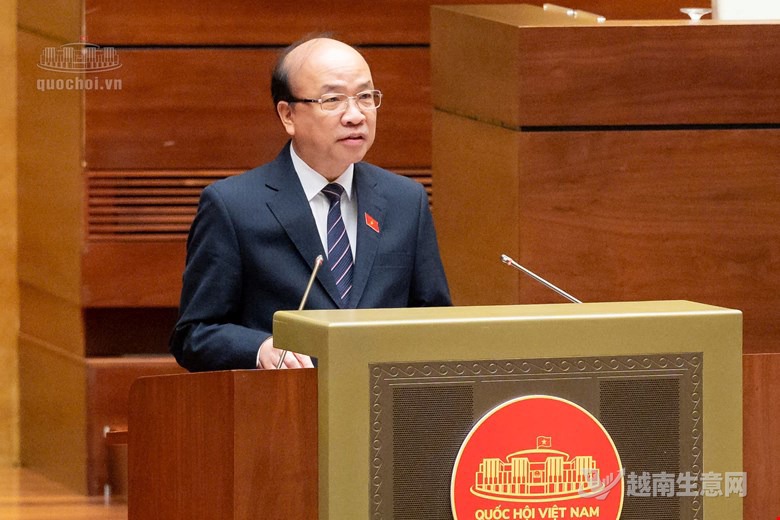
Phan Chí Hiếu, chair of the National Assembly’s Law and Justice Committee, presents the report reviewing the draft.(VietVance)
The National Assembly’s review body said it supported drafting the code by merging the two existing laws. It found the draft broadly consistent with the current legal system and eligible for submission to the National Assembly for consideration. The proposed investment, management and incentive measures remain at the draft stage.
Source: VietVance